


Choosing the right cryptocurrency exchange for trading Bitcoin and tokens is crucial for any aspiring crypto trader. Two leading platforms, Coinbase and Kraken, constantly vie for user loyalty. This analysis delves deep into the intricacies of Coinbase and Kraken, dissecting fees, features, security, and user experience. You’ll be ready to choose the right crypto exchange for you by the end.
Recent news: The SEC has withdrawn its lawsuits against Kraken and Coinbase, ending what many consider a politically charged campaign. This news has led to Kraken announcing a U.S. Strategic Reserve Watchlist ahead of the White House Crypto Summit.
- Show Full Guide
Which exchange has more users?
In the head-to-head battle of “Coinbase vs Kraken,” Coinbase appears to boast a significantly larger user base. Since exact user numbers aren’t available, we used monthly website visits and trade volume to understand user activity. According to SimilarWeb, Coinbase had over 64 million monthly website visits in the past 30 days, about 4.5 times Kraken’s over 10 million.
| Feature | Coinbase | Kraken |
| Category rank | 3rd | 10th |
| Established | 2012 | 2011 |
| Registered | United States | United States |
| 24-hr trading volume | $4B | $1.9B |
| Most active trading pair | BTC/USD – $1.0B | USDT/USD – $266M |
| Monthly visits | 64M | 10M |
| X (Twitter) followers | 6.4M | 1.6M |
Verdict – Coinbase wins
While exact user numbers are not always publicly available, traffic estimates suggest that Coinbase significantly outpaces Kraken. Looking at traffic visits, Coinbase boasts millions more users than Kraken. This wider user base translates to a more liquid marketplace on Coinbase, potentially offering tighter spreads and faster trade execution.
Who is better regulated?
Both Coinbase and Kraken continue to be among the most regulated cryptocurrency exchanges globally, but their regulatory strategies and recent developments in 2025 reveal notable differences.
Coinbase: U.S.-centric compliance with evolving oversight
Coinbase remains a highly regulated entity in the United States. As a publicly traded company on Nasdaq, it is subject to rigorous scrutiny by the Securities and Exchange Commission (SEC). It is registered as a Money Services Business (MSB) with the Financial Crimes Enforcement Network (FinCEN) and holds multiple state licenses, including New York’s BitLicense.
In early 2025, the SEC agreed to dismiss its lawsuit against Coinbase, which had accused the exchange of operating as an unregistered securities exchange, broker, and clearing agency. This dismissal marks a significant shift in the SEC’s approach under the new administration, signaling a move towards a more crypto-friendly regulatory environment.
Additionally, the SEC has established a new cryptocurrency task force to create a comprehensive regulatory framework for digital assets. This initiative is expected to provide more straightforward guidelines for crypto firms operating in the U.S.
Kraken: Expanding global regulatory footprint
Kraken has continued to strengthen its international regulatory presence. In 2025, it secured a Markets in Financial Instruments Directive (MiFID) license through the acquisition of a Cyprus Investment Firm authorized by the Cyprus Securities and Exchange Commission (CySEC). This license allows Kraken to offer regulated crypto derivatives across the European Union.
Furthermore, Kraken holds licenses from various regulatory bodies, including FinCEN (U.S.), FINTRAC (Canada), the Financial Conduct Authority (U.K.), AUSTRAC (Australia), and the Financial Services Agency (Japan). It has also obtained a crypto broker license in the Netherlands, solidifying its European operations.
Kraken’s proactive approach to securing licenses in multiple jurisdictions demonstrates its commitment to compliance and positions it favorably in the global market.
Conclusion: Coinbase leads in regulatory reach
As of 2025, Coinbase maintains a strong regulatory position within the United States, benefiting from recent developments that suggest a more favorable regulatory climate. Kraken, on the other hand, has significantly expanded its international regulatory footprint, particularly in Europe, by securing key licenses that enable it to offer a broader range of services.
Coinbase holds a broader array of licenses across more jurisdictions, particularly in North America. Kraken, however, has significantly expanded its international regulatory footprint, particularly in Europe, by securing key licenses in Cyprus, the Netherlands, and across the EU (MiFID).
For users prioritizing U.S. regulatory compliance and oversight, Coinbase remains a robust choice. However, for those seeking a platform with extensive international regulatory credentials, especially in the European market, Kraken’s strategic expansions make it a compelling option.
While sometimes seen as cumbersome, regulations are essential for a healthy cryptocurrency ecosystem. They protect users from fraud and promote market stability. KYC/AML standards help prevent money laundering and terrorist financing.
GENIUS Act and Stablecoin Clarity: The passage of the GENIUS Act in July 2025 established a unified federal framework for dollar-backed stablecoins like USDC. This landmark U.S. law provides regulatory clarity and bolsters Coinbase’s role as the primary custodian for 9 out of 11 spot Bitcoin ETFs and 8 out of 9 ETH ETFs, reinforcing its status as a trusted institutional partner.
| Exchange | Coinbase | Kraken |
| Regulatory Focus | Global compliance, regional licensing | Targeted licenses in established markets |
| Supported markets | 45 | 12 |
| KYC/AML | Strict adherence | Strict adherence |
| Staking Regulations | ‘Engaging with regulators’ | ‘Public disagreements with SEC’ |
Who offers a better trading platform?
Here we break down how Kraken and Coinbase perform where it matters: layout, order types, charting, and mobile. You’ll see differences in day-to-day trading, from quick market trades to advanced conditional setups.
Kraken: Powerhouse for advanced traders
Kraken’s expansion beyond cryptocurrencies has likely cemented its status as a top platform for experienced traders. Notably, it has introduced commission-free trading for over 11,000 U.S.-listed stocks and ETFs, marking a significant step into traditional finance. This move is complemented by the acquisition of NinjaTrader, a retail futures trading platform, enhancing Kraken’s capabilities in derivatives trading.
For forex enthusiasts, Kraken has launched FX perpetual futures, allowing real-time trading of currencies like EUR and GBP. The platform also boasts advanced features such as chart trading on its desktop version, enabling users to place and modify orders directly on charts.
Kraken has also made a major move to bring advanced trading to its retail base by launching Perpetual Futures (Perps) for eligible clients. This product allows traders to use leverage to speculate on future price movements without owning the underlying asset, positioning it as a tool for “everyday investors.”
Coinbase: Streamlined experience for all traders
Coinbase continues to prioritize user experience, making it an excellent choice for both beginners and institutional investors. The platform’s Advanced Trade feature, formerly known as Coinbase Pro, offers sophisticated tools like TradingView integration, real-time order books, and various order types.
For institutional clients, Coinbase Prime provides advanced trading tools, secure custody solutions, and access to deep liquidity. Additionally, Coinbase International Exchange has been enhancing its derivatives offerings, aiming to be a leader in global crypto derivatives trading.
Security is a strong suit for Coinbase, with features like insurance coverage for digital assets. The platform’s intuitive interface and educational resources make it particularly appealing to newcomers in the crypto space.
Verdict: Which platform suits you best?
In 2025, Kraken stands out for advanced traders seeking a comprehensive, multi-asset platform with robust security and a wide range of trading options, including traditional assets like stocks and forex. Its recent expansions make it a formidable choice for those looking to diversify their trading portfolio.
Conversely, Coinbase offers a user-friendly experience that is ideal for both beginners and institutional investors. It continues to expand its token offering beyond its centralized exchange. In Q3 2025, it fully integrated Base’s Decentralized Exchange (DEX) within the Coinbase app, allowing customers to trade tens of thousands of additional on-chain assets. This move transforms the platform’s variety and directly competes with the breadth of tokens typically found on Kraken.
Recent Coinbase and Kraken feature updates
Find the latest platform features and company updates from Coinbase and Kraken below.
Coinbase feature updates
| Base Rollup Expansion | Coinbase’s Layer 2 network, Base, updated its 2024 roadmap to prioritize decentralization, support for EIP-4844 (lower fees), and ERC-4337 smart wallet integration. |
| EIP-4844 Integration | Base will support Ethereum’s Dencun upgrade from day one, enabling >10x fee reductions for rollup transactions. |
| ERC-4337 Smart Wallets | Integrating Account Abstraction via ERC-4337, allowing smart wallets with enhanced usability and security features. |
| International Exchange Launch | Launched a non-U.S. exchange for derivatives, allowing international users to trade perpetual futures. |
| Perpetual Listings Expansion | Coinbase International added multiple new perpetual contracts, expanding offerings for advanced traders. |
| Enhanced Developer Support on Base | Base committed to ecosystem growth via grants, gasless transactions, and developer education programs. |
| New business tools | Coinbase Business now offers global payouts and payment links, enabling companies to send and receive USDC instantly and globally. |
Kraken feature updates
| Commission-Free U.S. Stock Trading | Introduced commission-free trading for 11,000+ U.S.-listed stocks and ETFs, signaling a move into traditional finance. |
| Acquisition of NinjaTrader | Acquired futures trading platform NinjaTrader for $1.5B, expanding its product suite and retail investor reach. |
| Perpetual Futures Listings | Expanded its derivatives offering by listing new perpetual futures contracts across key assets. |
| International expansion plans | Plans to roll out its stock trading platform to the UK, EU, and Australia in 2025. |
| Equities expansion | Kraken Pro expanded its equities offering with 24/7 trading, ACATS transfers, and a Fully Paid Securities Lending program for U.S. users. |
| Regulatory Milestone | The U.S. SEC dropped a civil lawsuit against Kraken, which the exchange described as a pivotal moment in its regulatory strategy. |
Writer’s note: As far as we can tell, Coinbase is strengthening its Layer 2 network and ETF custody, while Kraken is focusing on institutional services and global expansion..
Who offers more cryptocurrencies?
Kraken and Coinbase’s competition is heating up as they both aim to provide a wider variety of cryptocurrencies. Here’s a breakdown that will help you determine which exchange provides more benefits.
| Coinbase | Kraken | |
| Spot trading | 295 coins | 400 coins |
| Total tradable pairs | 443 pairs | 991 pairs |
| Margin trading | Only available on Coinbase Advanced Trade | Not all coins are supported |
| Futures | Requires Coinbase Advanced trading account | Available for select cryptocurrencies |
| Perpetuals | Requires Coinbase Advanced trading account | Over 200 perpetual protocol trading pairs are available |
Currencies breakdown
- Spot trading: Both platforms offer various cryptocurrencies for basic buying and selling. Kraken offers more spot-trading coins (400) than Coinbase (295) and boasts a significantly higher number of tradable pairs (991 vs 443), offering more options for diversified trading strategies.
- Margin trading: This advanced feature, which allows traders to leverage their holdings, is available on both platforms. It is offered on Coinbase Advanced Trade and for select cryptocurrencies on Kraken.
- Futures and perpetuals: Kraken offers futures and perpetual contracts on select coins for those seeking exposure to cryptocurrencies’ price movements without directly owning them. Coinbase also offers these derivative products, requiring a Coinbase Advanced trading account for futures and perpetuals. The Coinbase International Exchange has been actively expanding its derivatives and perpetual futures listings.
Choosing the right platform
- Trading style: If you’re a beginner-focused on spot trading, either platform might suffice. However, Coinbase listing options and its user-friendly interface might be more appealing.
- Advanced features: If you’re an experienced trader seeking margin trading, futures, or perpetual, Kraken emerges as the clear winner.
- Specific cryptocurrencies: Do your research! If you have your heart set on a specific cryptocurrency, ensure it’s available for trading on your chosen platform (spot, margin, futures, or perpetual, depending on your needs).
Conclusion – Kraken wins
While Kraken offers a larger selection of spot trading coins and total tradable pairs, Kraken reigns supreme in overall variety. With margin trading, futures, and perpetual on select cryptocurrencies, Kraken caters to more advanced traders seeking diverse investment opportunities.
Who offers more deposit methods?
Choosing the right cryptocurrency exchange hinges on various factors, and deposit methods are a crucial consideration. Here’s a table comparing Kraken and Coinbase deposit methods:
| Deposit Method | Kraken | Coinbase |
| Bank Transfers | Supports ACH (via Plaid), FedWire (Dart Bank & Etana Connect), SWIFT, and SEPA. Availability varies by region. | Supports ACH (U.S.), SEPA (Europe), SWIFT, and wire transfers. Availability varies by region. |
| Crypto Deposits | Supports a wide range of cryptocurrencies. | Supports over 200 cryptocurrencies, though availability may vary by region. |
| Debit/Credit Cards | Accepts debit cards; credit card support varies by region and may be limited | Accepts debit cards for purchases; credit card support is limited and may not be available for new users |
| PayPal | Available for deposits and withdrawals in supported regions. | Available for purchases and withdrawals in supported regions |
| Apple Pay/Google Pay | Available for instant crypto purchases in supported regions | Available for purchases in supported regions |
Summary:
- Kraken: Offers a broad range of deposit options, including various bank transfer methods and PayPal, catering to users in multiple regions. Note: Kraken doesn’t support crypto withdrawals to digital wallets like Apple Pay or Google Pay.
- Coinbase: Offers a variety of deposit methods, including bank transfers, debit cards, PayPal, and mobile payment options like Apple Pay and Google Pay. However, availability may vary by user location.
Conclusion – It depends
There is no clear winner in the battle between Kraken and Coinbase regarding deposit methods. When choosing between Kraken and Coinbase, consider the specific deposit methods available in your region and your preferred payment options.
Who offers better deposit fees?
Deposit fees are crucial in escalating competition between Kraken and Coinbase. Use this breakdown to determine which exchange provides a more favorable deposit fee deal.
| Deposit method | Coinbase | Kraken |
| Bank Transfer (ACH) | Free | Free for U.S. clients (excluding NY, WA & TX) |
| SEPA Transfer (EUR) | €0.15 | Free |
| Wire Transfer (USD) | $10 deposit fee | Varies depending on your bank; fees may apply |
| Debit/Credit Card | Up to 3.99% | 3.75% + $0.25 per transaction |
ACH is a U.S. financial network used for electronic fund transfers, while SEPA (Single Euro Payments Area) facilitates the standardization of electronic payments denominated in Euros € across Europe.
Conclusion – Kraken wins
For users prioritizing lower deposit fees:
- Kraken offers more cost-effective options for SEPA transfers and slightly lower fees for debit/credit card deposits. Kraken also avoids fees for standard USD bank transfers.
- Coinbase provides free ACH transfers and a straightforward fee structure for wire transfers.
Wire transfers are a different story. While both incur fees, Kraken’s cost varies depending on your bank, offering a slight advantage. Consider your specific region and preferred deposit method when choosing between the two platforms.
“Coinbase vs Kraken” and “Kraken vs Coinbase” are both valid searches for more in-depth comparisons of fees and other features. This analysis only scratches the surface, so keep digging to find the platform that best suits your crypto trading needs.
Who offers better withdrawal fees?
Choosing the right cryptocurrency exchange hinges on various factors, and withdrawal fees are crucial. Here’s a breakdown of how Coinbase vs. Kraken stack up in this arena:
Fiat withdrawal fees
| Currency | Kraken | Coinbase |
| USD | Free to $35 (via FedWire or SWIFT; varies by method and bank) | ACH: Free; Wire: $25 |
| EUR | Free to €35 (via SEPA; varies by method) | SEPA: €0.15 |
| GBP | Free to £35 (via SWIFT or local bank transfer; varies by method) | Faster Payments: £1; SWIFT: £25 (outside UK) |
| CAD | Free to $35 or 35% of amount (via SWIFT; varies by method) | Not supported for withdrawals |
| AUD | Free to $55 (via SWIFT; varies by method) | PayID: Free |
| JPY | ¥15,000 minimum, approximately $35 equivalent (via SWIFT) | Not supported for withdrawals |
Crypto withdrawal fees
| Cryptocurrency | Kraken | Coinbase |
| Bitcoin (BTC) | 0.00001 BTC (~$0.30); Lightning Network: Free | Network fee varies; estimated at time of transaction |
| Ethereum (ETH) | 0.0035 ETH (~$6.50) | Network fee varies; estimated at time of transaction |
| USDT (ERC-20) | 5 USDT | Network fee varies; estimated at time of transaction |
| USDC (ERC-20) | 5 USDC | Free across all supported networks |
| XRP | 0.02 XRP | Network fee varies; estimated at time of transaction |
| Litecoin (LTC) | 0.001 LTC | Network fee varies; estimated at time of transaction |
As of July 30, 2024, transferring cryptocurrencies from Coinbase to Base, its layer 2 chain, does not incur any fees.
Breakdown
- Fixed vs. Spread Fees: Kraken employs a mix of fixed and tiered fees depending on the asset. Coinbase, on the other hand, utilizes a flat fee or a spread fee, which can be less transparent.
- Minimum withdrawals: Both platforms have minimum withdrawal amounts that vary by cryptocurrency.
- Bitcoin withdrawals: Kraken charges a clear, fixed fee (0.00001 BTC), while Coinbase combines network fees with a potential spread, making it harder to predict the final cost.
- Stablecoin withdrawals: Kraken typically has lower withdrawal fees for stablecoins compared to Bitcoin. Coinbase again uses network fees and a potential spread.
- Fiat withdrawals: Kraken charges a fixed fee depending on the chosen withdrawal method (e.g., wire transfer). Coinbase’s fiat withdrawal fees are often free (for ACH) or a flat, low fee (e.g., $25 for Wire or €0.15 for SEPA).
Conclusion – It depends
Fiat Withdrawals: Coinbase generally offers lower fees for fiat withdrawals, especially for EUR and GBP, with nominal charges like €0.15 for SEPA and £1 for Faster Payments. Kraken’s fees can be higher and vary depending on the method and bank used.
Cryptocurrency Withdrawals: Kraken provides more predictable and often lower fees for cryptocurrency withdrawals, with fixed fees for assets like BTC and ETH. Notably, Kraken offers free BTC withdrawals via the Lightning Network. In contrast, Coinbase’s fees vary based on network congestion and are estimated at the time of transaction, which can lead to higher costs during peak times.
Writer’s note: When choosing between Kraken and Coinbase, consider your specific withdrawal needs:
- For fiat withdrawals, especially in EUR and GBP, Coinbase may be more cost-effective.
- For cryptocurrency withdrawals, particularly if you plan to use the Lightning Network for BTC, Kraken offers more predictable and potentially lower fees.
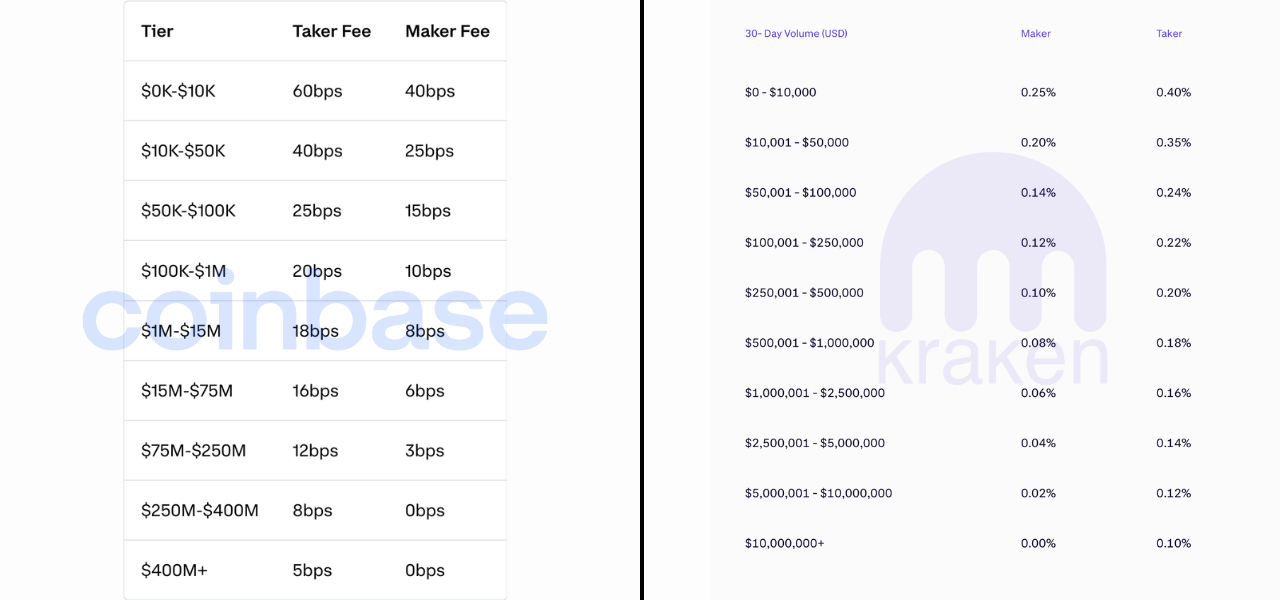
Coinbase vs Kraken fees
Which exchange is more appealing to institutional traders?
While Kraken and Coinbase are titans in the cryptocurrency exchange arena, institutional traders seeking a robust platform will find distinct advantages in each.
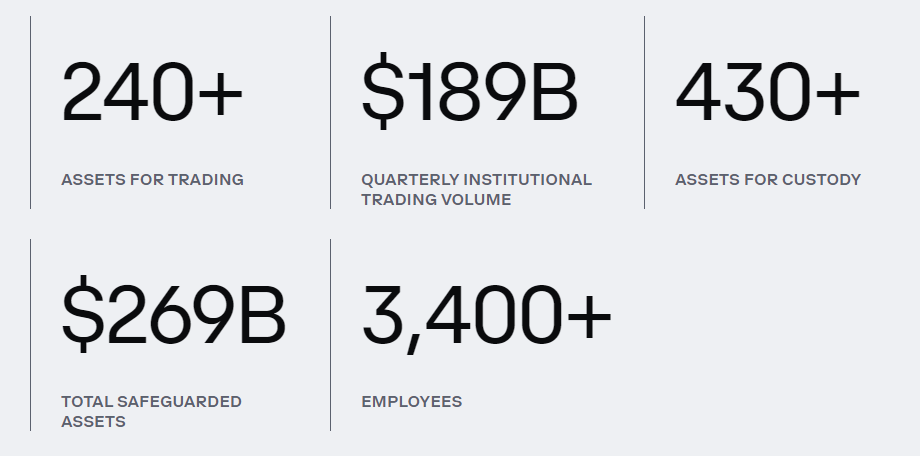
Coinbase, a publicly traded company, has solidified its position as a leading platform for institutional investors through its comprehensive suite of services under Coinbase Institutional. Coinbase Prime offers advanced trading capabilities, battle-tested custody solutions, and financing options, all integrated into a single platform.
The platform supports over 430 assets for custody and provides trading for more than 250 assets. Notably, Coinbase Prime has significant assets under its care, with its own data showing $245 billion in total safeguarded assets. This reflects its widespread adoption among institutions.
Coinbase further solidified its position in the derivatives market by acquiring the proprietary trading platform Derebit in spring 2025. This acquisition has significantly enhanced institutional revenue, particularly through its regulated crypto futures and perpetuals offerings.
Kraken, on the other hand, has made significant strides with the launch of Kraken Institutional, a platform tailored specifically for institutional clients.
Kraken Custody, introduced in 2024, offers qualified custody services through Kraken Financial, a Wyoming-chartered Special-Purpose Depository institution. This service provides secure storage, management, and transfer of digital assets within a single interface. Kraken has also expanded its custody services to institutional clients in the UK and Australia.
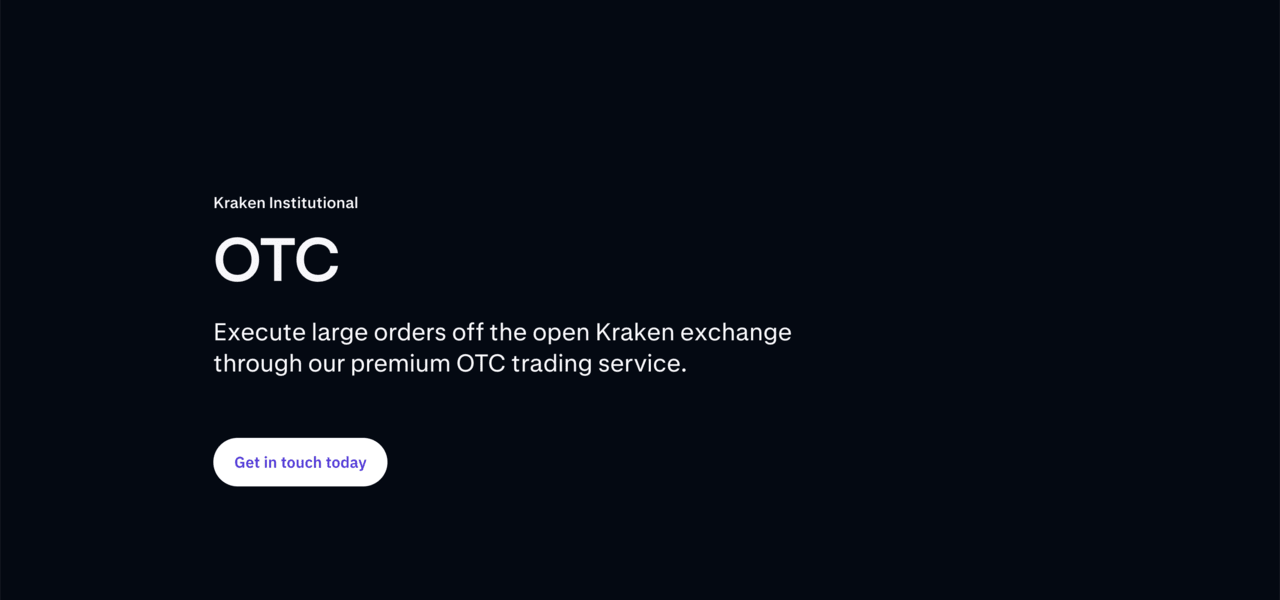
Additionally, Kraken’s OTC desk and robust API integrations facilitate large order executions with minimal slippage and seamless trade automation. In 2024, Kraken Institutional reported a 142% year-over-year growth in spot trading volume and a 513% increase in futures volume, highlighting its growing appeal among institutional traders.
Conclusion – Coinbase wins
While both exchanges offer robust platforms for institutional trading, Coinbase’s extensive asset support, significant assets under management, and role as a custodian for major ETFs position it as a more comprehensive solution for institutions seeking a full-service platform.
Kraken, with its rapid growth and specialized services, offers a compelling alternative for institutions that prioritize advanced trading features and global custody solutions. Ultimately, the choice between the two may depend on specific institutional needs and preferences.
Users’ opinions on the Coinbase vs Kraken debate
To properly compare Coinbase and Kraken, we analyzed user reviews from Trustpilot, Apple, and Google app stores to better understand how everyday users feel about each exchange and what they like and dislike about each platform.
Based on user reviews from all 3 platforms, Coinbase scored an average of 3.6/5, while Kraken scored 3.46/5. Note: Coinbase generally has a higher average rating across all platforms, especially when considering the much larger number of reviews. Trustpilot also tends to attract more negative reviews than other platforms. So, the lower rating for Kraken on Trustpilot might not be entirely representative.

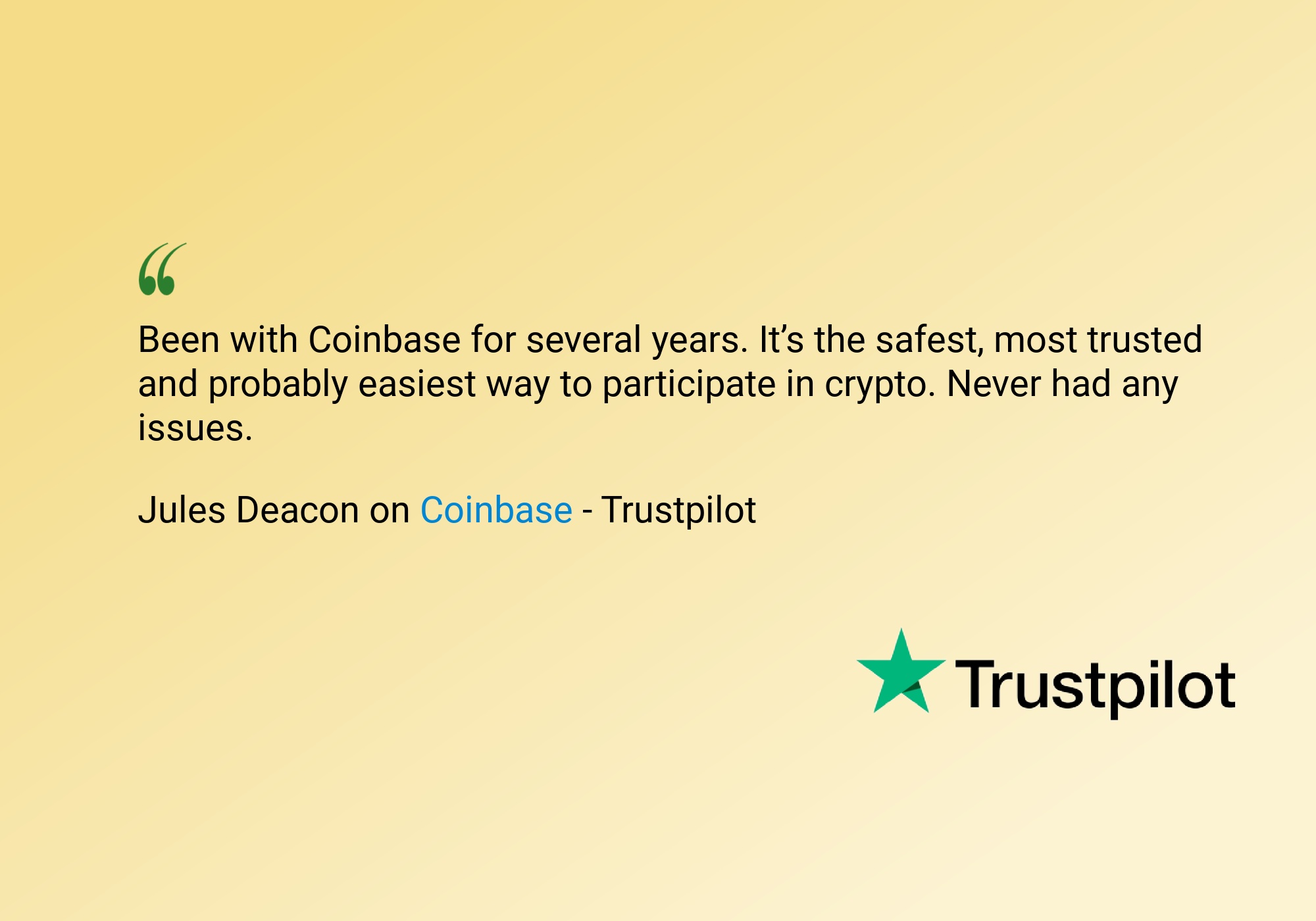

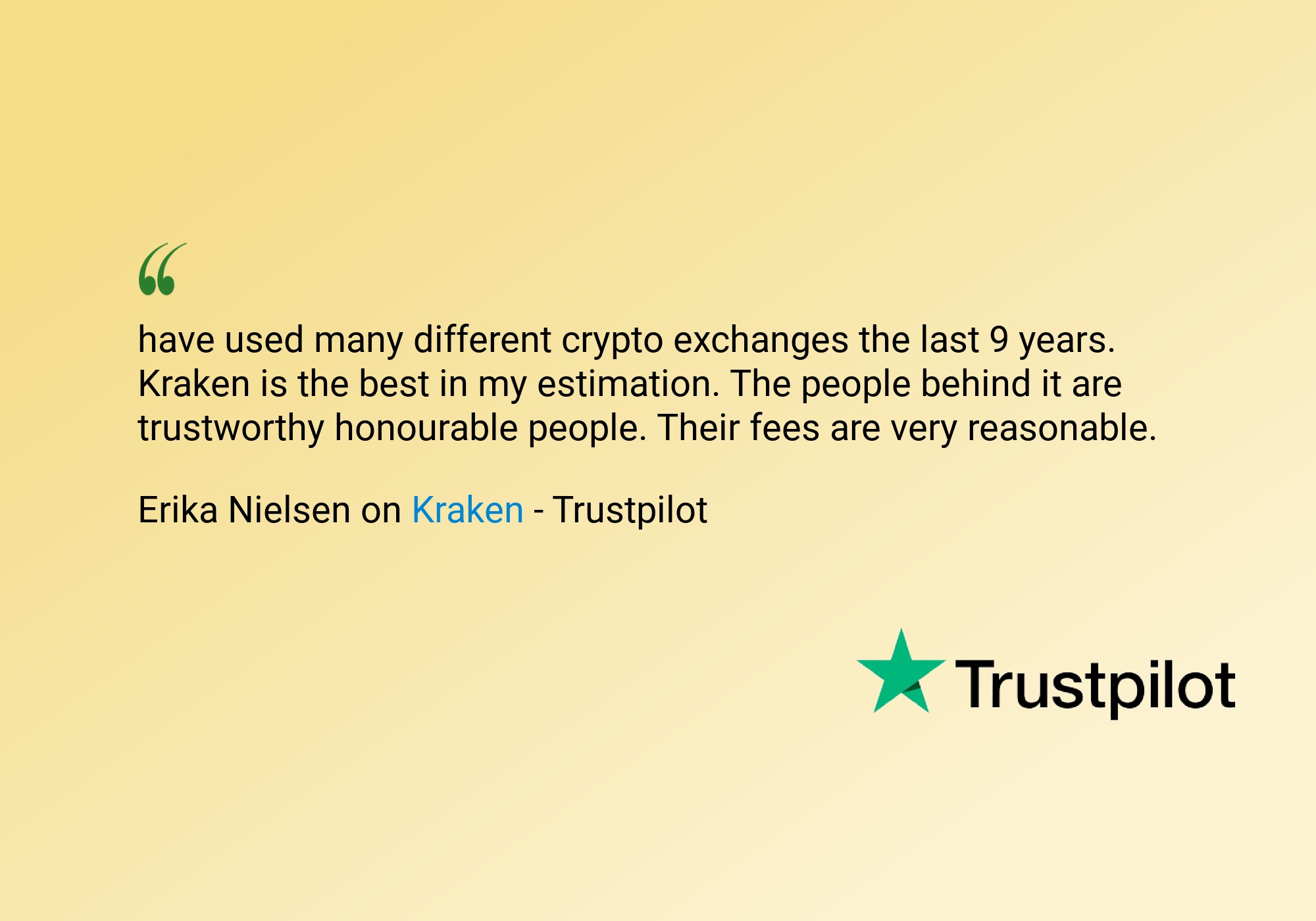
User reviews of Kraken are from Trustpilot. Image source: ValueWalk
User reviews of Coinbase are from Trustpilot. Image source: ValueWalk
Trustpilot reviews – Coinbase
Coinbase offers a user-friendly platform for buying and selling crypto, especially for beginners. However, some users report issues with customer service being unresponsive or unhelpful when problems arise, particularly regarding account access and lost funds. Additionally, there have been concerns about limited functionality compared to other exchanges. While some users have had positive experiences, others report frustrations that could be dealbreakers for some crypto investors.
Trustpilot reviews – Kraken
Crypto users give Kraken mixed reviews. While some praise its user-friendly interface, reasonable fees, and trustworthy feel, others report frustrating customer service experiences and account closure issues. Pro users often report better experiences, with some praising the platform’s responsiveness and professionalism. Security concerns a few users, with reports of suspicious activity and account closures without clear explanation.
Google Play Store reviews – Coinbase
Coinbase is praised for its user-friendly interface and educational resources, making it attractive to beginners. However, several users criticize recurring issues like slow app performance, limited payment options, and a lack of fee transparency. While some find the fees acceptable, others feel the platform inflates prices and has hidden costs. The trading experience seems to be more positive for advanced users who appreciate the extensive options. Overall, Coinbase offers a user-friendly platform but may not be the most transparent or cost-effective option for all users.
Google Play Store reviews – Kraken
Kraken receives mixed reviews from its users on the Google app. While some appreciate its user-friendly layout (especially for beginners) and reliable customer service, others criticize its lack of advanced features, like easy portfolio tracking and direct wallet transfers via the app. ACH deposits appear to be a point of contention, with some users experiencing repeated errors. Overall, Kraken seems like a decent option for beginners who prioritize a simple interface and responsive support but it may not be ideal for those seeking a robust feature set for advanced crypto trading.
Apple App Store reviews – Coinbase
Coinbase is praised for its user-friendly interface and ease of deposits, withdrawals, and trading, with some users even finding it suitable for beginners. However, concerns have been raised about its high transaction fees and lack of transparency regarding these fees. Additionally, some users feel uncomfortable with Coinbase holding the private keys to their crypto, and others have had difficulty recovering funds lost to fraud.
Apple app store reviews – Kraken
Kraken receives mixed reviews on the App Store. Users praise the app’s uptime, smooth interface, and easy deposits/withdrawals. Customer service is generally considered helpful, although some report slow response times. However, a small number of users have experienced technical issues and frustrating customer interactions. Overall, Kraken seems like a solid option with some room for improvement.
Coinbase vs Kraken: Final verdict
In the “Coinbase vs Kraken” debate, the winner depends on your experience level and priorities.
Coinbase offers one of the most beginner-friendly platforms on the market, with a sleek interface, strong fiat support, and rewards for learning about crypto. It’s ideal for first-time investors looking for a seamless entry into the space. That said, fees on the standard platform are high, and advanced users may quickly outgrow its limited order control — especially with more trading opportunities now available through new Kraken listings.
Kraken, on the other hand, is built for those who want more. It offers lower fees on Kraken Pro, margin and futures trading, a broader crypto selection, and one of the best security records in the industry. While its interface isn’t as polished, the platform is a favorite among seasoned traders and institutions who need deeper control and liquidity.
Ultimately, the “Coinbase vs Kraken” victor is you – choose the platform that fits your comfort level and trading goals, especially after weighing the pros and cons of Coinbase and Robinhood alongside other options.
Our opinion: Kraken wins narrowly
Both platforms are reliable, but Kraken takes the edge for most users. Here’s why:
Security: Kraken has never been hacked and consistently ranks among the most secure exchanges—this matters more the deeper you go into crypto.
Lower Fees: Kraken Pro offers a fair, transparent maker-taker structure, with significantly lower costs than Coinbase’s standard interface.
Power Features: With margin, bots, staking, and professional tools, Kraken caters to both serious retail and institutional traders.
Coinbase nails simplicity, but Kraken’s focus on control, cost, and security makes it the stronger long-term pick. If you’re serious about crypto long term? Start on Coinbase, then graduate to Kraken. Find more information on the exchange in our Kraken review.

How We Rate Cryptocurrency Exchanges
We manually review the crypto exchanges on our list. Below are the key metrics we check before listing a crypto exchange on the website. For further details, you can also take a look at our cryptocurrency exchanges rating guide, featured on ValueWalk.
Fee structure
Deposit methods
Regulations
Customer support
Digital assets & liquidity
If you enjoyed this then you might also enjoy some of our comparison articles; such as Crypto.com and Coinbase, Coinspot vs Binance, Crypto.com vs Coinbase, Robinhood vs Coinbase, KuCoin vs Binance
Coinbase vs Kraken: FAQs
Is Coinbase better than Kraken?
Which one is better, Kraken or Coinbase?
Which platform is better than Coinbase?
Which is cheaper, Coinbase or Kraken?
Which crypto exchange has never been hacked?
Which exchange has a better reputation for reliability?
Which exchange is better for privacy-conscious traders?
Are there differences in how Coinbase and Kraken handle tax reporting?
Which platform has a better API for developers?
References
- Fee schedule | Kraken
- SEC drops case against Coinbase — a win for crypto or payback for donations? | Cointelegraph
- Coinbase, Gemini CEO throws support behind Bitcoin-only US crypto reserve | Cointelegraph
- 3 things to watch in crypto after Robinhood and Coinbase score big wins for the industry | Business Insider
- Exchange numbers & Data
- User reviews
- https://www.trustpilot.com/review/kraken.com
- https://www.trustpilot.com/review/coinbase.com
- https://apps.apple.com/us/app/coinbase-buy-bitcoin-ether/id886427730
- https://apps.apple.com/us/app/kraken-buy-crypto-bitcoin/id1481947260
- https://play.google.com/store/apps/details?id=com.kraken.invest.app
- https://play.google.com/store/apps/details?id=com.coinbase.android