


Looking for the best crypto cold wallets? Ledger and Trezor stand out as top contenders. Ledger’s hardware wallet and Trezor offer secure storage solutions for safeguarding your digital assets.
In this comparison article, we’ll bust some myths and explore the key features of both wallets so you can choose which cold wallet best suits your needs. Whether new to crypto or a seasoned investor, choosing the right wallet is crucial for protecting your investments.
Let’s settle the Ledger vs. Trezor debate! Join us as we explore these wallets’ functionalities, security measures, and ease of use, ensuring your crypto stays secure in cold storage.
- Show Full Guide
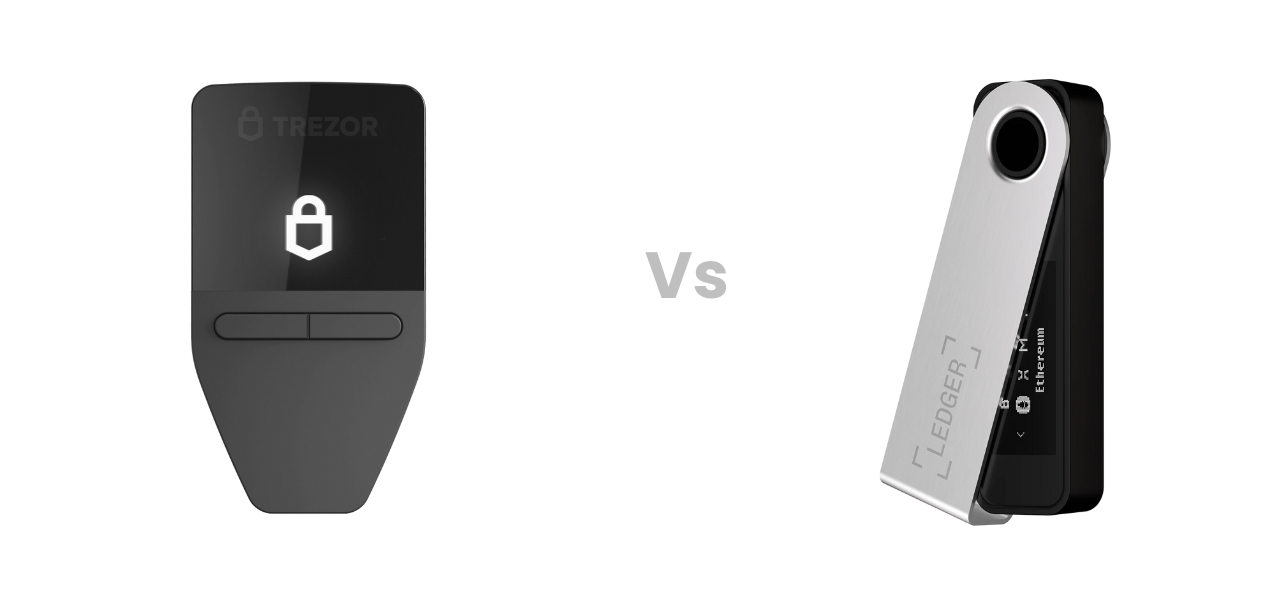
Comparing Trezor and Ledger
Founded in 2014, Ledger is a hardware wallet offering secure offline cryptocurrency storage. Its compact design keeps your private keys offline, shielded from cyberattacks. Ledger also provides secure companion software, allowing you to manage cryptocurrency transactions.
Founded in 2013, Trezor is a popular hardware wallet designed for secure offline storage of cryptocurrencies. It prioritizes user-friendliness, providing easy access to digital assets without compromising on high-security standards.
Source note: All figures and data used in this article were current and accurate at the time of publication.
What do Trezor and Ledger Offer?
Trezor and Ledger hardware wallets are often at the top when picking the best crypto cold wallets. Both offer robust security features and user-friendly interfaces, making them popular among cryptocurrency enthusiasts.
Trezor offers a range of sleek and intuitive wallets to suit different needs. Users can choose from entry-level Trezor One to the more advanced Trezor Model T. Trezor wallets support various cryptocurrencies, providing flexibility and peace of mind.
On the other hand, Ledger hardware wallets are known for their security and coin support. The devices like the Nano S and Nano X have state-of-the-art security features. Ledger Live software allows users to manage their cryptocurrency assets and perform transactions securely.
Trezor and Ledger prioritize the security of users’ funds, employing features such as PIN protection, passphrase support, and recovery seeds to safeguard against unauthorized access. These cold wallets are also designed to keep users’ private keys offline, minimizing the risk of exposure to hacking or malware attacks.
Regarding ease of use, Trezor and Ledger offer intuitive interfaces that make it simple for users to send and receive cryptocurrency transactions. With clear instructions and responsive displays, beginners can confidently navigate the wallets.
Ledger vs. Trezor: Which wallet carries more cryptocurrencies?
Ledger hardware wallets reign supreme in the variety of supported cryptocurrencies. With over 5,500 coins and tokens, Ledger provides storage for a vast majority of digital assets, including popular choices like Bitcoin (BTC), Ethereum token wallet, and Dogecoin (DOGE). This extends to newer projects, with Cardano (ADA) and Tezos (XTZ) finding a home on Ledger devices.
While Trezor wallets still offer a broad range of cryptocurrencies (between 1,289 and 1,456, depending on the model), they prioritize established coins. This means you’ll find all the major players like Bitcoin and Ethereum, but some altcoin support may differ from Ledger. Trezor One users won’t have access to Ripple (XRP) or Binance Coin (BNB).
Supported cryptocurrencies at a glance
| Feature | Ledger | Trezor |
| Total cryptocurrencies supported | Over 5,500 | 1,289 (Trezor One) |
| Popular coins supported | Yes (BTC, ETH, LTC, DOGE) | Yes (BTC, ETH, LTC, DOGE) |
| Support for newer coins | Yes (ADA, XTZ) | Limited |
| Support for Ripple (XRP) | Yes | No (Trezor One only) |
Ultimately, the choice depends on your specific needs. If you prioritize a wider selection of altcoins and tokens, Ledger offers a clear advantage. However, Trezor remains a solid option for those focused on major cryptocurrencies.
Is Trezor Safer than Ledger?
1. Chip architecture
Ledger wallets boast a CC EAL5+ certified secure chip. One chip is a secure element (SE) used in credit cards for PIN verification, adding an extra layer of defense against physical tampering. Trezor uses a single chip but focuses on open-source software, allowing for more scrutiny by the security community.
However, Trezor wallets are known to be more vulnerable to physical attacks. If someone finds your Trezor hardware wallet and brings it to a specialist, they could extract your coins. Ledger wallets, on the other hand, are thought to be safe from this class of attacks due to the secure element.
2. The trade-off of transparency and security
The trade-off is between transparency and security. While Trezor’s hardware specs and firmware/software are fully open-source, Ledger relies on proprietary hardware (the Secure Element), keeps some of its firmware closed-source, and may be unable to open all of it even if it wanted to. This closed-source approach raises concerns for some users who value complete transparency.
3. It’s all about the threat levels
Choosing between Trezor and Ledger depends on your priorities – bleeding-edge security or complete software transparency. You should also consider how likely you think physical access to your hardware wallet is in your threat model.
No hardware wallet is completely secure from hacking.
Both Ledger and Trezor wallets have been exposed to vulnerabilities.
The recent revelation that Ledger can offer recovery services suggests a technical capability to extract private keys under certain circumstances, contradicting their previous communication and raising concerns about true security.
Additionally, a company specializing in cryptocurrency recovery claims to have found a way to hack Trezor T hardware wallets with physical access, exploiting a hardware vulnerability in the STM32 chip.
These developments highlight the importance of understanding that no hardware wallet is foolproof.
Which wallet is easiest to use?
Choosing between Ledger and Trezor comes down to ease of use for many crypto newcomers.
Ledger prioritizes a user-friendly experience. Their intuitive interface on the Ledger Live companion app makes navigating purchases, transfers, and account management a breeze. Ledger Live walks you through the setup process step-by-step with clear instructions and helpful visuals.
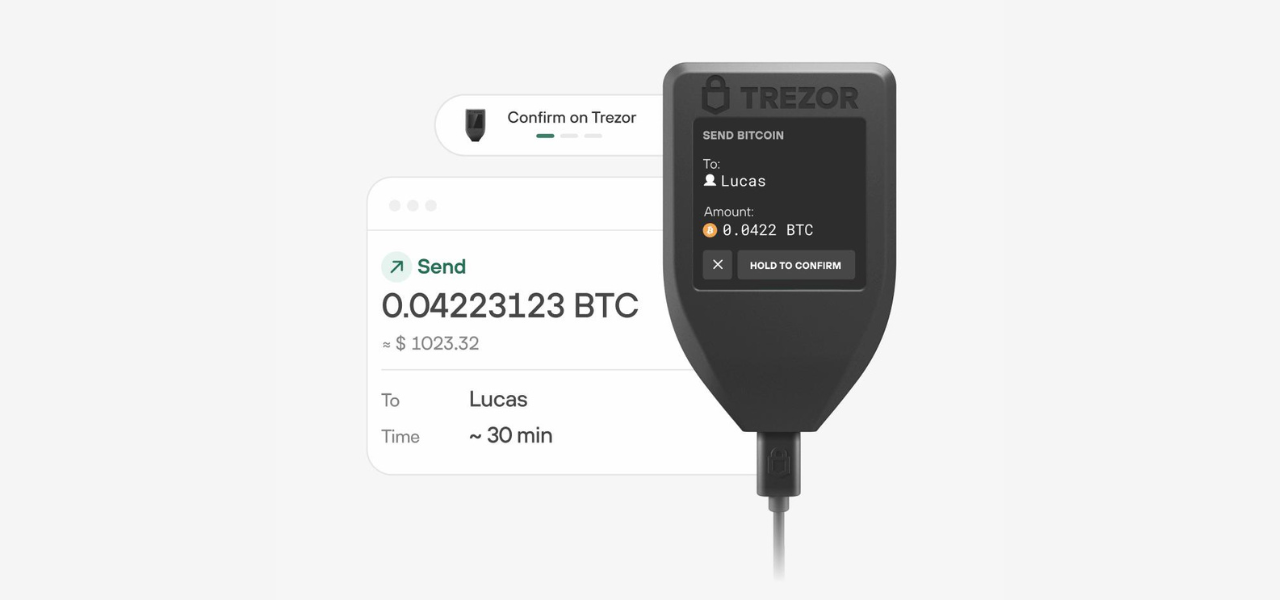
While secure, Trezor offers a slightly steeper learning curve. Its interface can feel less intuitive, especially for beginners. While Trezor offers detailed information screens, some users need more streamlined for everyday transactions.
Ultimately, Ledger and Trezor are the best crypto cold wallets, offering top-notch security. However, if you prioritize a smooth and user-friendly experience, Ledger shines with its intuitive interface.
Ledger vs. Trezor: Which wallet has sold more units?
The battle is intense when it comes to which wallet sold more units. Both Trezor and Ledger have garnered significant market share in the realm of cold wallets. While specific sales figures are closely guarded secrets, it’s clear that both brands have a substantial customer base.
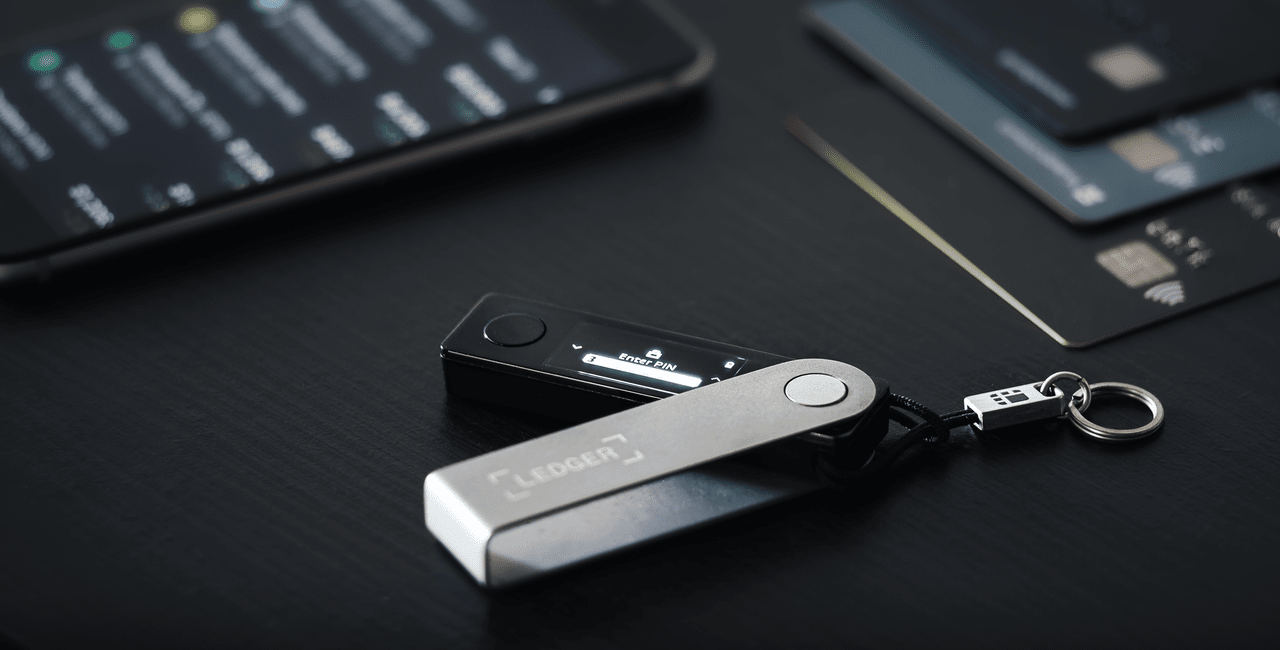
Trezor, one of the pioneers in the field, boasts a loyal following. Its reputation for security and user-friendly interface has attracted many crypto enthusiasts. Conversely, Ledger has made significant strides in recent years with its sleek design and advanced features.
Each wallet has unique selling points, catering to different preferences within the crypto community. Trezor emphasizes open-source software and transparency, while Ledger focuses on cutting-edge security technology.
Factors such as price, design, and compatibility also influence consumer choices. Trezor offers a range of models at various price points, appealing to both beginners and experienced users. Ledger’s emphasis on security features may attract those willing to invest more for peace of mind.
Ledger secured a total of $574.38 million in funding over 8 rounds. Their most recent funding round was a Series C – II for $108 million, which closed on March 30, 2023. In June 2021, Ledger’s valuation was at $1.5 billion.
Ledger vs. Trezor: Which wallet has more advanced features?
When comparing Ledger and Trezor in terms of advanced features, both wallets offer a robust set of functionalities tailored to the needs of crypto enthusiasts. However, there are nuanced differences worth considering.
Ledger boasts a slightly broader range of supported cryptocurrencies, making it an attractive option for those invested in a diverse portfolio. Its integration with Ledger Live software provides a seamless user experience, allowing for easy asset management and the ability to stake certain cryptocurrencies directly from the wallet interface.
Additionally, Ledger devices feature a secure element chip, which provides an extra layer of protection against physical attacks.
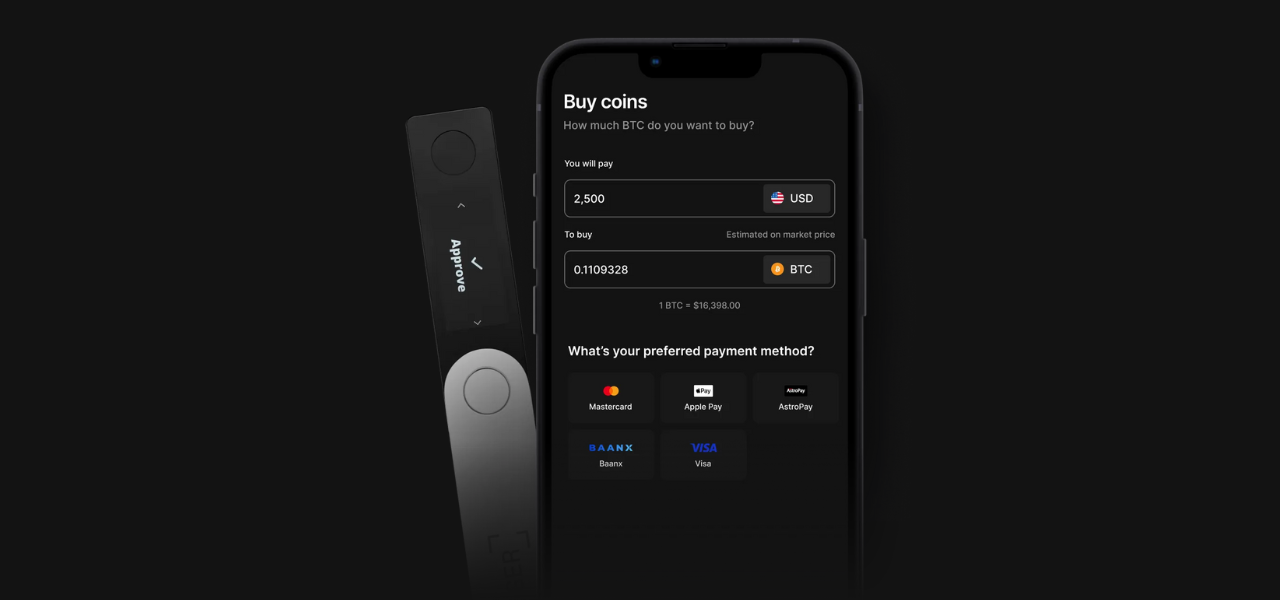
On the other hand, Trezor prioritizes open-source development, appealing to users who value transparency and community-driven innovation. Trezor’s firmware is open-source, allowing users to verify its security independently.
Furthermore, Trezor devices support a wide array of third-party applications, enabling users to explore additional functionalities beyond basic asset management. The Model T even features a touchscreen interface, enhancing usability for some users.
Which is more secure?
Ledger edges it for physical tamper-resistance across its lineup. Every current Ledger uses a certified Secure Element (CC EAL5+ or EAL6+) plus a proprietary OS (BOLOS) that isolates apps and keys, a combo designed to harden the device against hands-on attacks.
Trezor has caught up on newer models. Safe 5 and Safe 3 add an EAL6+ Secure Element to bolster protection from physical extraction. Older Trezors (Model One and Model T) don’t use an SE, which leaves more exposure if an attacker gains device access. And Trezor keeps its firmware open-source, which some users prefer for auditability.
If you want the strongest out-of-box defenses against physical attacks, pick Ledger or Trezor Safe 5/3. If you value open-source transparency, the Trezor remains an appealing option.
Which supports more cryptocurrencies?
Ledger supports more assets overall. Official materials state 5,500+ coins and tokens can be managed using Ledger Live and compatible third-party wallets.
Trezor supports “thousands” of assets via Suite and third-party apps, but specific totals vary by model. Notably, XRP works on Safe 5, Safe 3, and Model T, but not on Model One. Always check the live coin list before making a purchase.
What are the best Trezor and Ledger models?
Trezor Model One
The Trezor Model One is a trusted, entry-level hardware wallet that remains a solid choice for security. It features a monochrome OLED display and two physical buttons for all on-device confirmations. The device connects via USB-A and uses a 12-24 word recovery phrase for backup. Its price is holding steady at $69, making it an affordable gateway into cold storage. Read the full review.
Trezor Model T
Positioned as Trezor’s premium offering, the Model T provides an enhanced user experience. It sports a color touchscreen and a USB-C connection. A key feature is its support for Shamir Backup (SLIP-39), a more robust recovery method that splits the recovery phrase into multiple, secure shares. The price for this advanced model is still $219. Read the full review.
Ledger Nano S Plus
The Ledger Nano S Plus offers a balance of security and affordability. This wallet has a monochrome display with two buttons for navigation and uses a USB-C connection. While it’s not compatible with iOS devices via Bluetooth, it provides a secure experience for desktop and Android users. It relies on a standard 24-word recovery phrase and is currently priced at $79. Read the full review.
Ledger Stax
The Ledger Stax is Ledger’s top-of-the-line model, featuring a large, curved E Ink® touchscreen that allows for a highly visual and interactive experience. It connects via USB-C, Bluetooth, and NFC, and it supports wireless charging (Qi). This device uses a 24-word recovery phrase and also offers an optional, paid service called Ledger Recover for private key backup. The price for the Ledger Stax is still $279. Read the full review.
Which wallet is budget-friendly?
Price is a key factor for crypto newcomers seeking the best cold wallets. Trezor Model One boasts a more attractive price tag than the Ledger Nano S. This can be a deciding factor, especially for those starting their foray into cold storage.
However, Trezor and Ledger prioritize security, ensuring your crypto remains safe. While Trezor might be slightly cheaper, prioritize your needs. If features like a larger screen or Bluetooth connectivity are important, the Ledger Nano S might be worth the extra cost.
Ultimately, the most budget-friendly option depends on your needs and security priorities.
Final Verdict: Trezor or Ledger?
Regarding securing your cryptocurrency, Trezor and Ledger are the top choices in the industry, offering unparalleled security through their cold wallet solutions.
However, Trezor is a great option for those who value privacy. It offers closed-source firmware and strongly emphasizes giving users control over their private keys, which can appeal to security-conscious individuals.
If you’re looking for expanded dApp and coin support, Ledger might be a preferable option due to its ability to integrate with a larger selection of wallets and decentralized applications (apps).
Even if a certain token is not officially supported, it may still be added to the wallet. Explore the support pages/forums of either Trezor or Ledger.
As you evaluate cold wallets, it’s also helpful to look at the broader crypto ecosystem, especially if you trade on centralized exchanges. For instance, if you’re comparing different trading platforms, it’s worth taking a moment to compare Bybit and Binance to see how they differ in fees, features, and coin support.
Still, the most effective approach to security is to diversify. Multiple cold wallets, such as Trezor and Ledger, are recommended to minimize risk and leverage each platform’s strengths.
Remember to apply the golden rule in crypto: never keep all your assets in one wallet.
Alternatives to Trezor and Ledger
Looking beyond the Ledger vs. Trezor debate, other contenders for the best crypto cold wallets category include Coldcard, Tangem, and Bitbox (for Bitcoin), widely regarded as the future of crypto security. These alternatives offer diverse features and security protocols for storing cryptocurrencies offline.
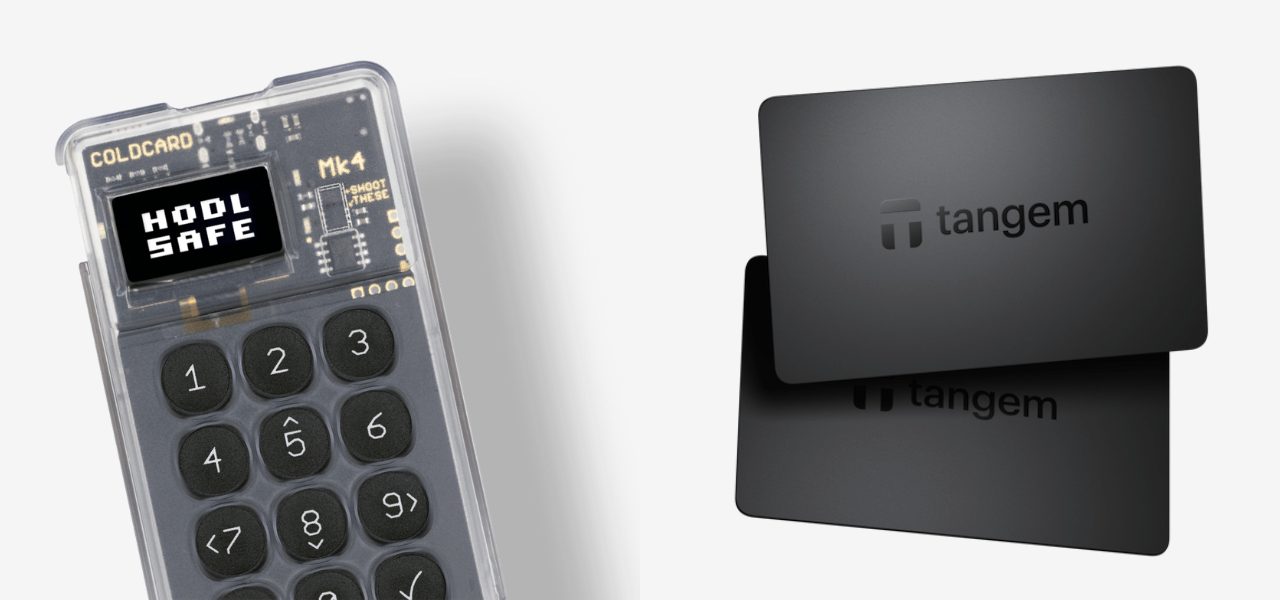
- Coldcard stands out for its robust security measures and open-source firmware, appealing to users who prioritize transparency and control over their assets.
- Tangem‘s smart banknotes offer a unique approach, providing an innovative solution for securely storing digital assets in physical form.
- Bitbox specializes in Bitcoin storage, offering simplicity and ease of use for users seeking a straightforward solution tailored to Bitcoin storage needs.
Evaluating the available alternatives alongside Trezor and Ledger will enable individuals to choose the cold wallet that aligns best with their preferences and requirements for safeguarding their crypto holdings.
Each option has its own strengths, catering to a diverse range of needs within the cryptocurrency community. For more options you can read our best cold wallet options.

How We Rate Cryptocurrency Wallets
We manually review the cryptocurrency wallets on our list. Below are the key metrics we check before cryptocurrency wallets on the website. For further details, you can also take a look at our crypto wallets rating guide, featured on ValueWalk.
Security
Chains support
Customization
User experience
Development
FAQs
What are hard wallets?
What is cold storage?
Are hard wallets safer than hot wallets?
How are cryptocurrency hot wallets different from cold wallets?
Should I use Trezor or Ledger today?
Were hard wallets ever hacked?
Are hard wallets expensive?
Is Trezor better than Ledger?
Which cold wallet is best?
Are cold wallets 100% safe?
Sources
- https://www.thodex.com/wallets/trezor/
- https://blog.trezor.io/open-source-and-hardware-obsolescence-ce526d5eec8f
- https://developers.ledger.com/docs/device-app/architecture/bolos/hardware-architecture
- https://cointelegraph.com/news/trezor-reports-300-surge-in-sales-revenue-due-to-ftx-contagion
- https://www.coindesk.com/tech/2023/05/24/crypto-security-firm-unciphered-claims-ability-to-physically-hack-trezor-t-wallet/