



Tapping alternative data providers for information that hasn’t traditionally formed part of stock research may give you an edge in the stock market.
You may already rely on fundamental analysis about stocks you are interested in and also look at the charts for technical analysis. Adding alternative data, though, will deepen your understanding about the stock you are researching.
Alternative data sources include things like credit card transactions, flight data, social media sentiment metrics, geo-location tracking, job postings and more. Read our guide that covers the seven best alternative data providers for stock market investors in 2025.
List of the leading alternative data providers for investors
In our view, the best alternative data providers for stock traders are those listed below:
- AltIndex: This alternative data company specializes in social sentiment. It analyzes broader consumer insights on social media and also extracts data from job postings, employee satisfaction scores, and patent filings. Then, an AI tool generates stock ratings ranging from 1 to 100.
- Danelfin: The AI-powered stock analytics platform combines traditional financial information, such as fundamental and technical data, with alternative data insights. The alternative data it analyzes include sentiment indicators, such as social media sentiment, news sentiment, and analyst price targets.
- Plaid: This alternative data source offers access to credit card transactional data, and can be used to track consumer spending habits and wider sentiment on the economy, assess over or under-performing industries. Plaid has partnered with over 20,000 financial institutions in North America and Europe.
- Foursquare: This provider specializes in geo-location tracking via GPS, Bluetooth, WiFi, and 5g signals. It tracks 500 million devices in more than 200 countries. Established 14 years ago and has since collected more than 15 billion check-ins. It also offers consumer reviews, which can be combined with its location data.
- FlightAware: One of the best providers of real-time, high-level flight data, FlightAware helps investors evaluate the broader aviation and hospitality industries long before the trends become common knowledge. Investors can assess airline performance metrics, addition/removal of routes, and fuel efficiency.
- Similarweb: This market leader in website analytics offers insights on internet traffic, tracking 10 billion data signals every day. This helps investors evaluate the performance of stocks that rely exclusively on website visits, including e-commerce marketplaces, retailers, trading platforms, and digital banks.
- Advan Research: The real estate analytics provider measures foot traffic data on local housing markets, with over 300 billion data points collected each month. It also tracks over 150 million residential buildings and 5,000 retailer chains. It can also be used to get early insights into REIT performance.
- Show Full Guide
Full reviews of the 7 best alternative data companies
The following sections explore what each alternative data website offers, in terms of informational sources, insights, and market discoveries. Read on to find out more about the leading alternative data sources for stock market investors.
1. AltIndex – Top-rated alternative data provider specializing in social sentiment analysis and AI-driven stock scores
The first alternative data provider to explore is AltIndex, which specializes in social sentiment analysis. Put simply, it extracts billions of data points from social media to evaluate broader market sentiment on stocks.
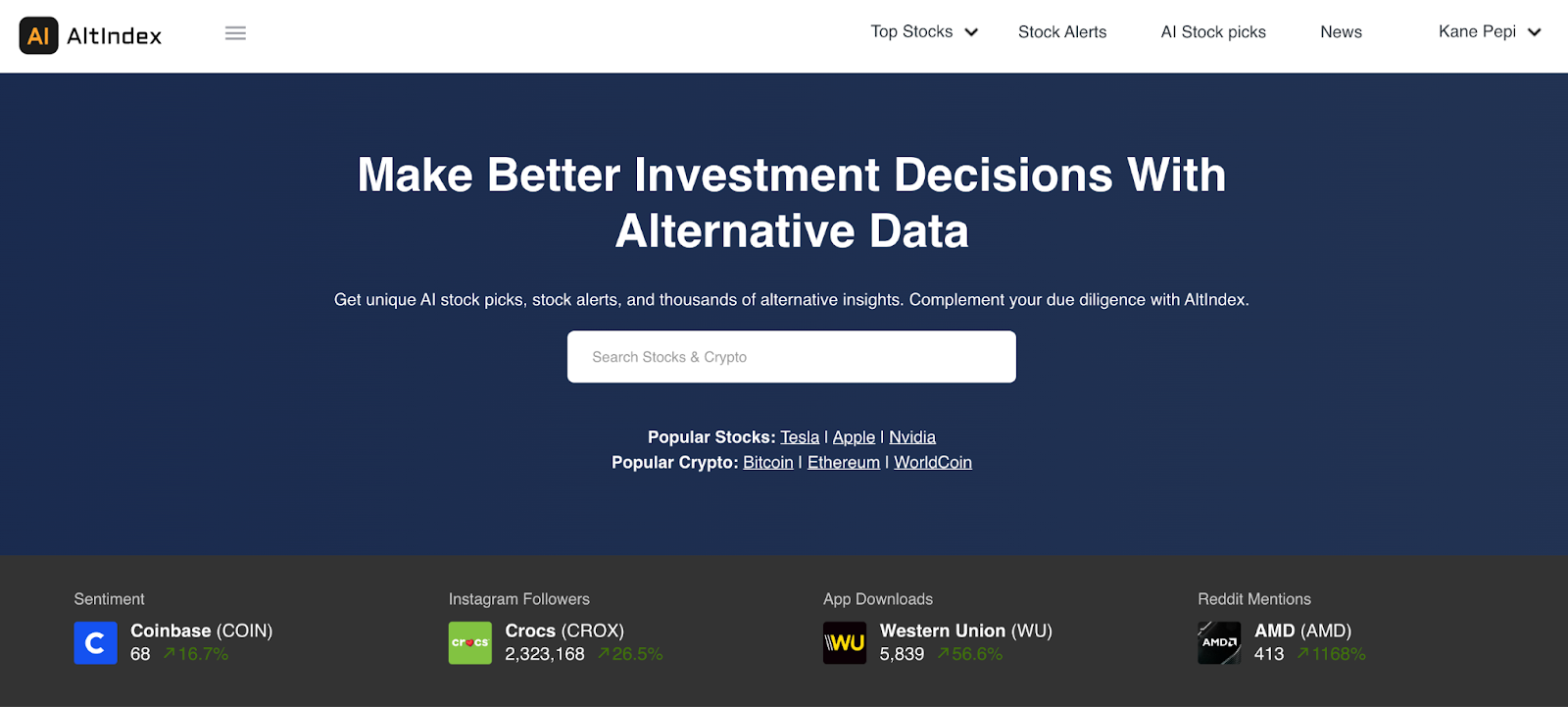
Some of the key metrics it analyzes include comments, likes, followers, subscribers, and shares.
This can yield invaluable information, especially considering the sheer amount of alternative data being analyzed. For example, if investors are largely positive or negative on a particular stock, industry, or sector, AltIndex will be one of the first places to discover these insights.
What’s more, AltIndex also uses other types of alternative data sources to add validity to its findings. This includes job postings, patent filings, employee satisfaction scores, Google trends, and news mentions.
It also explores popular forums like Reddit and 4Chan for even deeper insights, as well as website traffic and customer reviews. Although investors can access AltIndex’s findings manually, the platform tracks thousands of stocks and compiles lists of its stock recommendations by industry or topic, based on its AI scores.
The most effective strategy is to sign up for AltIndex’s stock alerts, which are among the top investment tools we have found, as they notify investors when they detect a change in social sentiment or identify a new trend. AltIndex also offers a stock picking service, informing users which companies to buy or sell.
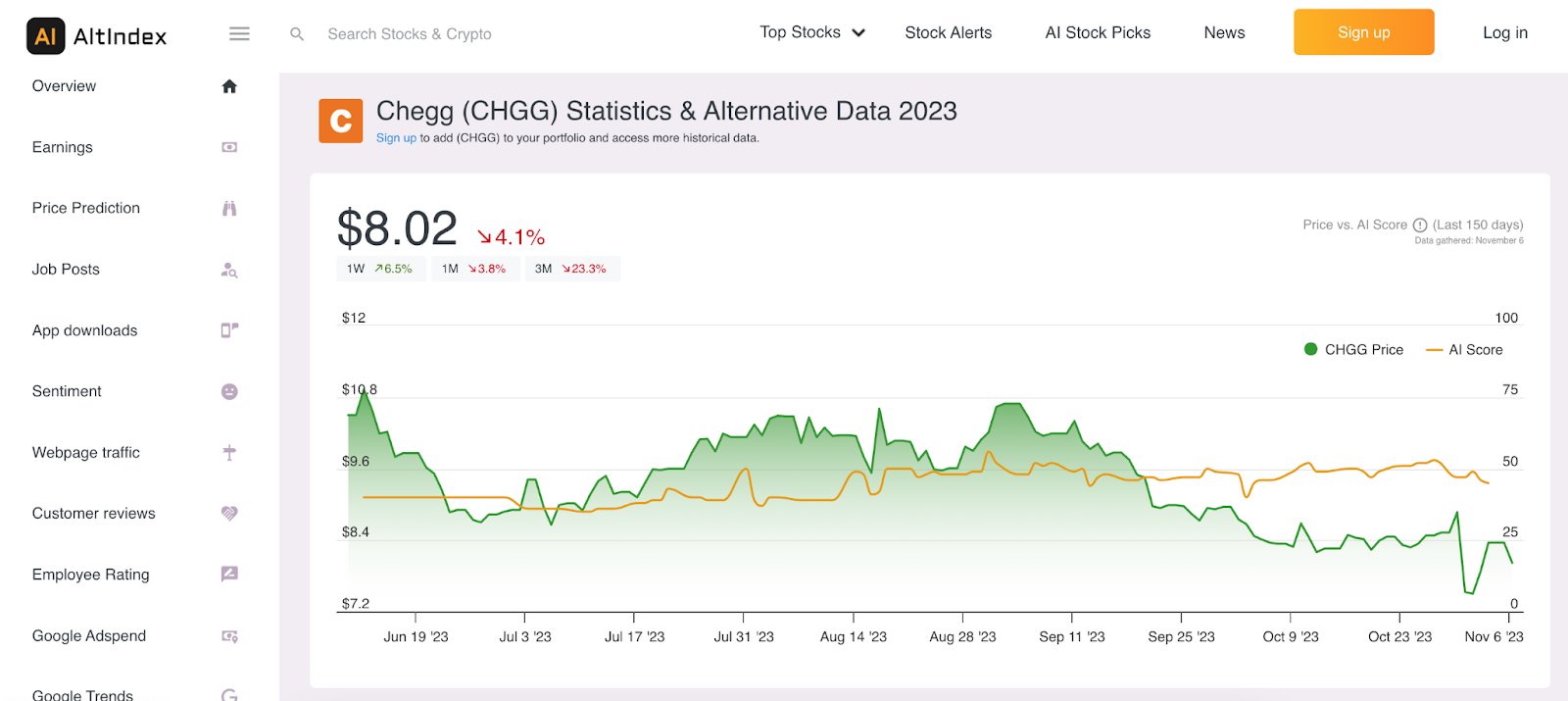
This has demonstrated excellent results since its inception, with AltIndex reporting a win rate of 80%. It has consistently outperformed the wider market.
AltIndex is also one of the most attractively priced alternative data providers. Its plans range from $29 to $99 per month. This makes alternative data affordable, a rare commodity.
| Type of Alternative Data | Social sentiment data is extracted from social media platforms like X, Facebook, and Reddit. Also extracts data from Google Trends, job postings, website traffic, and patent filings. Additionally, offers alerts, portfolio tracking. |
| How the Alternative Data Can be Used | To discover broader consumer insights and trends on thousands of stocks. |
| Pricing | Plans range from $29 to $99 per month, with a 7-day free trial |
Pros
- Best alternative data for retail investors – prices range from $0 to $99 per month
- Specializes in social sentiment – discover broader consumer insights
- Tracks thousands of stocks and a selection of cryptocurrencies
- Streamline the research process through real-time alerts
- Also offers one of the best free stock screeners
Cons:
- Stocks outside of the US are not tracked
- Its vast amount of data (alternative and fundamental data, technical analysis) can overwhelm new users
2. Danelfin: Combines traditional data sources with alternative data insights to produce AI-driven stock signals
The second alternative data source for stock investors to check out is Danelfin. It tracks and analyzes all stocks and exchange-traded funds (ETFs) on US exchanges, plus the STOXX Europe 600.
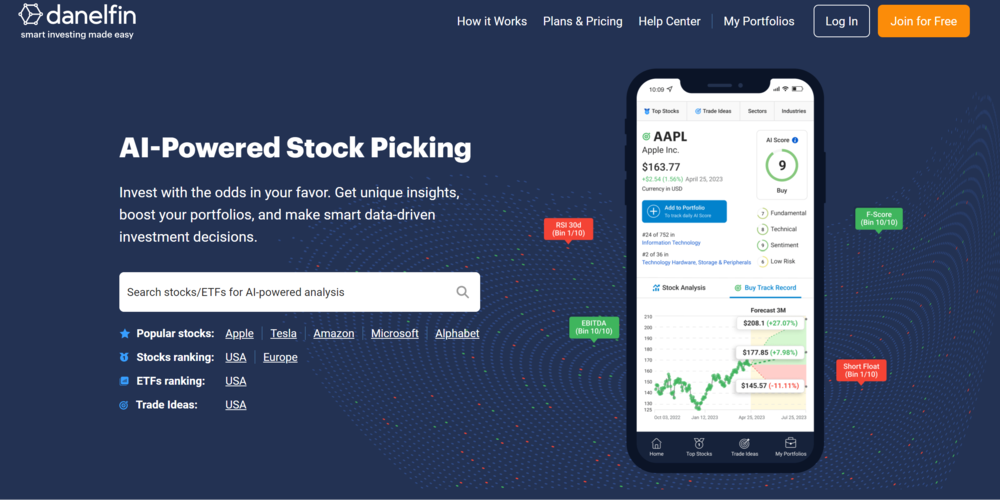
This AI stock picker primarily utilizes alternative data by analyzing sentiment indicators, including social media and news sentiment, average analyst price targets, EPS estimates, short float, insider transactions, and hedge fund activity. It incorporates these elements of alternative data on top of fundamental and technical stock analysis.
Leveraging artificial intelligence, it generates an investability score ranging from 1 to 10 based on all these factors. The company says that the higher the score, the higher the likelihood of strong stock performance in the next three months. Conversely, those with a low score are likely to see their prices decline in that period.
Investability scores are updated every day and cover thousands of stocks. There are several ways to interpret the information Danelfin presents. Some investors will purchase stocks only with a 10/10 rating, representing the strongest buys.
In addition, each stock has a fundamental, technical, and sentiment subscore. To give more weight to the alternative data signals, between two stocks with perfect 10 AI-scores, a trader might choose the one that has the higher sentiment subscore.
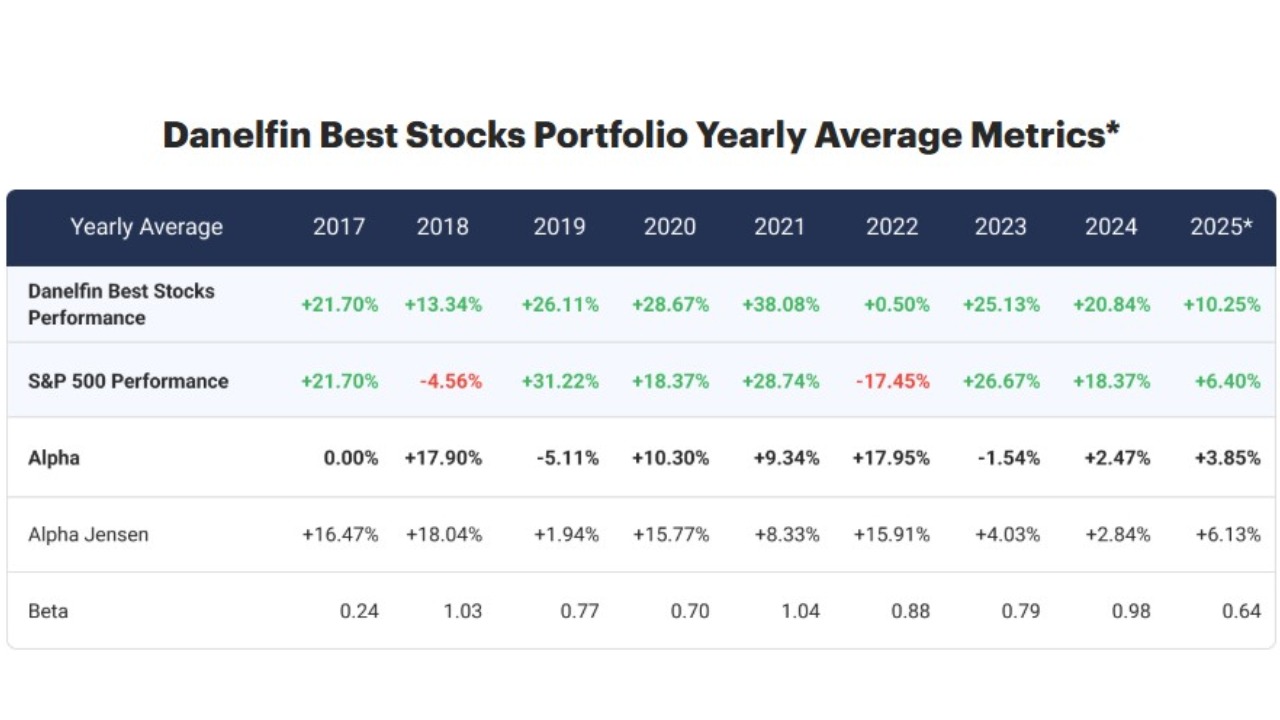
Danelfin’s Best Stocks portfolio has outperformed the S&P 500 since its inception in January 2017 through June of 2025, with a growth of 166%. This compares with the S&P 500’s 189% gain over the same period.
Below are Danelfin’s average annual returns from 2017 to June 2025:
Danelfin offers three tiers of pricing from $0 to $59 per month for its service via its website, and has recently introduced an API-only service, which investors can connect to their brokerage platform for instantaneous AI-powered scores. The cost for this service is $52 for the Basic, $149 for the Expert, and $449 for the Elite package.
| Type of Alternative Data | Social media sentiment, news sentiment, average analyst price targets, EPS estimates, short float, insider transactions, and hedge fund activity |
| How the Alternative Data Can Be Used | To further refine top stock recommendations based on the alternative data components |
| Pricing | $0 for the free plan, $22 per month for the Plus plan and $59 for the Pro plan; and three tiers ranging from $53 to $449 per month, delivered via API |
Pros
- Has beaten the S&P 500 by 74% since early 2017
- Uses an advanced form of AI called ‘explainable’ artificial intelligence
- Trading ideas cover 1, 3, and 6-month time horizons
- Freemium plan gets you 20 stocks and 10 ETFs with the highest scores
Cons:
- Understanding Danelfin’s AI scores and how to best interpret them can take time for new users
- Free trial on the Plus an Pro plans only lasts for 14 days
3. Plaid: Discover consumer spending trends and sentiment by tracking credit card transactions
Next up is Plaid, which specializes in credit card transactional data. This is a solid alternative data source, as it enables stock investors to assess broader consumer trends, as well as spending habits across key markets.
For example, suppose credit card data indicate that discretionary spending has been in decline for five consecutive weeks.
This means that consumers are tightening their belts and spending less on what they don’t actually need. In this context, the investor might consider offloading stocks in relevant industries, such as retail, travel, hospitality, and tech. Conversely, they might increase their exposure to consumer staples, such as pharmaceuticals and utilities.
In terms of data sources, Plaid has formed partnerships with more than 20,000 financial institutions, including banks, credit cards, and personal finance apps. This is a significant amount of alternative data to be privy to, which is why Plaid is one of the best alternative providers for investors.
Moreover, Plaid allows investors to niche down into local markets, separate transactions by the spending category, and see the size and date of each purchase. We also appreciate that Plaid operates in multiple international markets, including the US, Canada, the UK, and the European Union. Prices are curated on a custom basis, depending on the investor’s needs.
| Type of Alternative Data | Credit card transactions from millions of consumers based in the US, Canada, the UK, and the European Union. Partnered with over 20,000 financial institutions, offering unparalleled data on consumer spending. |
| How the Alternative Data Can be Used | To discover insights on spending habits and broader consumer sentiment. Assess whether certain industries or sectors are at risk of a recessionary period before the wider markets. |
| Pricing | Customized pricing plans tailored to the investor’s needs. |
Pros
- Leading alternative data source for credit card transactions
- Assess consumer spending habits and broader sentiment
- Niche down to local markets to see how specific industries are performing
- Covers millions of consumers in the US, Canada, the UK, and the European Union
Cons:
- Just 100 transactions are available in the free plan
- Some users report frequent connection errors, slow data syncing
4. Foursquare: Geo-location tracking across 500 million global devices in 200 countries
Foursquare is another leading alternative data provider that has access to unprecedented data streams. It specializes in geo-location tracking through partnerships with the world’s leading smartphone devices, apps, and social networks. It tracks user locations in real-time via Bluetooth, WiFi, GPS, and/or 5g signals.

In fact, more than 500 million devices are tracked in more than 200 countries. As a stock investor, knowing where consumers are congregating is crucial. It can reveal key insights and trends about where people are spending their money. For example, if a particular fast-food chain is experiencing increased traffic in multiple markets, this is a very good sign.
Or, if consumers are increasing the amount of time they spend in certain establishments, such as vegan eateries or budget restaurants. Foursquare doubles as a review platform, allowing consumers to rate their experiences at millions of hospitality outlets. This alternative data source can be analyzed in conjunction with geo-location tracking to provide a clearer picture.
The primary drawback is that investors must have experience in managing large datasets. After all, you’ll need to sort and filter through billions of data points.
Importantly, although Foursquare tracks millions of consumers worldwide, it complies with all applicable laws regarding data privacy. No personal information is revealed to users, as data is aggregated into larger batches.
| Type of Alternative Data | Geo-location tracking from over 500 million devices in more than 200 countries. Data is collected via Bluetooth, GPS, WiFi, and/or 5g signals. |
| How the Alternative Data Can be Used | To evaluate trends on where consumers are spending time and money. Discover insights on popular food and beverage chains, niches, and markets. Assess where the money flow is going on a localized level. |
| Pricing | Pay-as-you-need pricing model, depending on the amount and type of alternative data required. |
Pros
- Specializes in geo-location tracking via Bluetooth, GPS, WiFi, and/or 5g signals
- Tracks over 500 million devices globally
- 15 billion check-ins have been extracted over a 14-year period
- Ideal for discovering broader insights into food and beverage trends
Cons:
- Full functionality can be very expensive
- Users need to be mindful of privacy risks arising from sharing their location
5. FlightAware: Analyze the broader aviation and hospitality industries through key performance metrics
FlightAware is also a solid addition to this list of the best alternative data providers. This is the go-to provider for high-level data on the broader aviation industry, including more than five billion flight records. At its core, FlightAware tracks thousands of flights daily, providing insights into departure and arrival times, as well as fuel and route efficiencies.
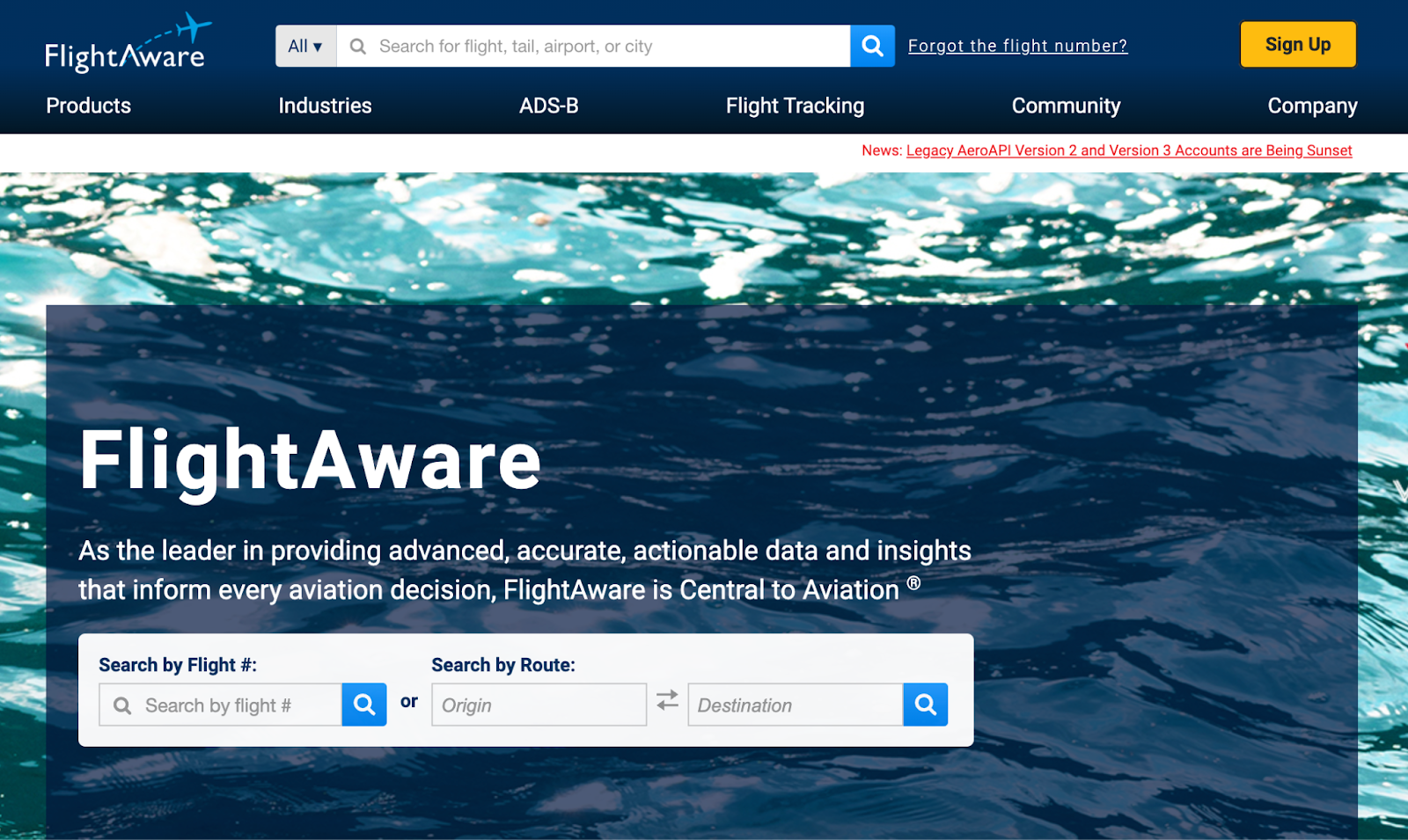
As a stock investor, FlightAware can be used to assess key performance metrics of publicly listed airline companies. For instance, consider an airline that is consistently on time, has minimal to no cancellations, and frequently adds new routes. This highlights that the airline stock is operating effectively, which could be an early signal for solid quarterly earnings.
In contrast, airlines with above-average cancellations, delays, and inefficient flight routes could indicate the opposite. FlightAware can also provide early insights into the wider hospitality and travel industries, in terms of passenger and flight numbers.
What’s more, FlightAware is useful for assessing supply chain metrics, as it tracks cargo flights around the clock.
| Type of Alternative Data | Tracks 100% of global flights via Aireon’s space-based ADS-B network. This includes commercial, private, and cargo flights. |
| How the Alternative Data Can Be Used | To evaluate trends and insights into the broader aviation and hospitality industries. Drill down to explore how individual airlines are performing, and analyze supply chain efficiencies via cargo flight routes. |
| Pricing | Cheaper plans are available, but full functionality costs $149.95 per month. This offers unfettered access for investors. |
Pros
- Tracks 100% of global flights around the clock – including commercial, private, and cargo planes
- Discover trends in the aviation industry before the wider markets
- Explore how individual airlines are performing against their competitors
- Competitive pricing of $149.95 per month offers great value
Cons:
- Very data intensive – you’ll need tools to analyze and sort discoveries
- Data is typically delayed by at least 30 seconds, with map positions lagging a minute or two
6. Similarweb: Premium internet analytics to discover website trends for publicly-listed stocks
Another invaluable alternative data source is internet traffic, and Similarweb is the market leader in this regard. SimilarWeb employs a four-stage process to deliver real-time insights: data collection, data synthesis, data modeling, and traffic intelligence. It collects more than 10 billion website signals daily, translating to over two terabytes of data and provides more than 3,000 stock signals.
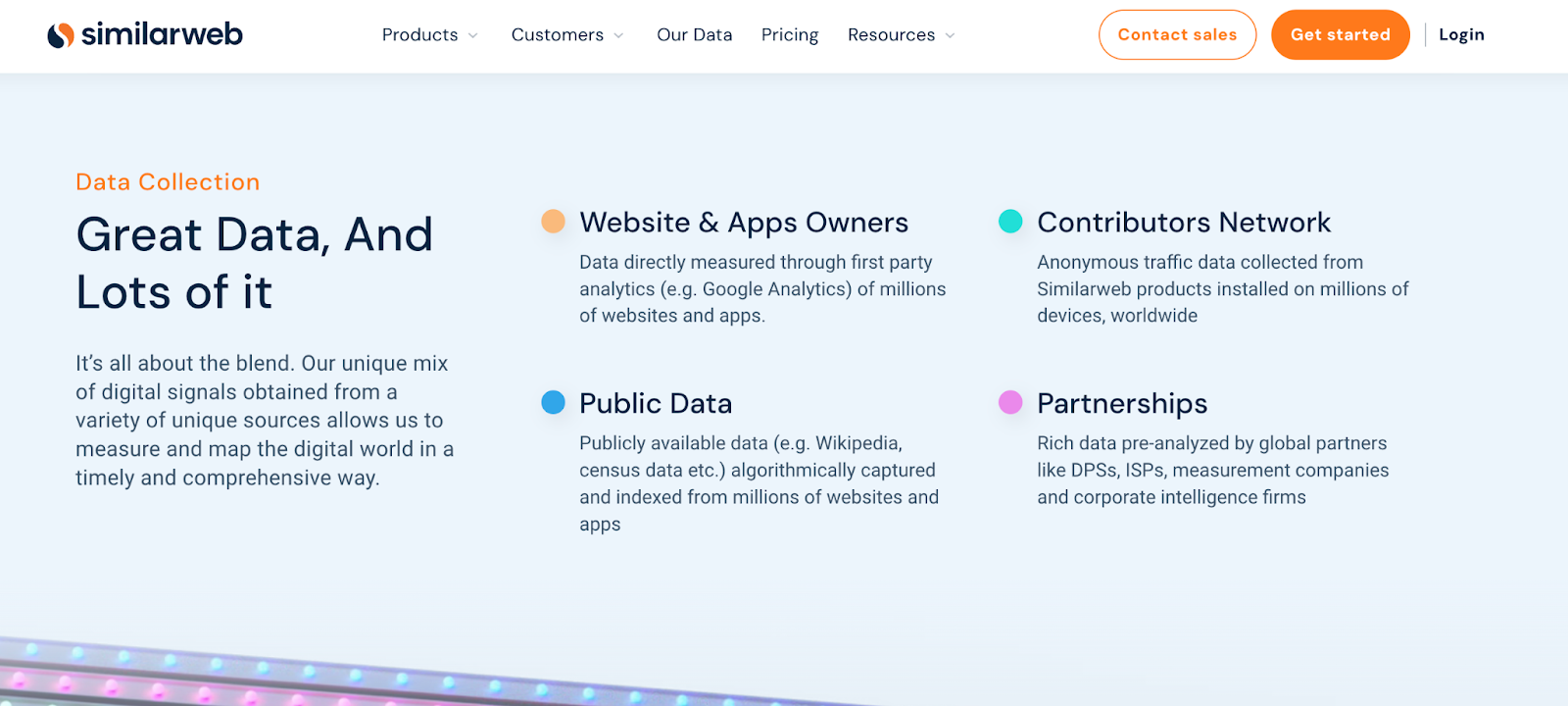
Not only does this include websites, but also app data. Seasoned investors will use this data to analyze stocks that are reliant on website visits. Consider online brokers, e-commerce marketplaces, and retailers. For example, consider online-only brokers like Robinhood and Ally Financial.
These platforms do not have physical locations, meaning they are 100% reliant on website traffic. Without visitors actively trading, they’re unable to generate commissions.
This is just one example, but there are many other ways to analyze website traffic and gain valuable insights into the stock market. It’s largely aimed at professional users with pricing starting at $125 per month. For full functionality, Similarweb charges $540 per month. There is also an option to receive a customized service tailored to your specific requirements at a personalized price.
| Type of Alternative Data | Website and app traffic analytics, including visits, time duration, and downloads. Collects more than 10 billion signals daily. |
| How the Alternative Data Can be Used | Explore the performance of online-only stocks, including digital banks, brokers, e-commerce marketplaces, and retailers. |
| Pricing | Full functionality costs $540 per month, billed annually. |
Pros
- Market leader in website and app analytics
- Tracks more than 10 billion signals every day
- Ideal for discovering early insights on online-only companies
- More than a decade’s worth of historical trends
Cons:
- Involves a steep learning curve
- Full functionality costs $540 per month or $4,020 when paying annually
7. Advan Research: Specialist alternative data streams for real estate investors
Last up is Advan Research, which offers alternative data streams for real estate investors. This provider is ideal for discovering property trends nationwide. It tracks data from more than 150 million properties and 5,000 commercial building chains. Not only that, but Advan Research also tracks foot traffic data.

This helps real estate investors understand local trends in demographic data, such as population shifts, migration patterns, and traffic flows. These are important metrics that can help property investors choose the best locations for their capital. For example, a previous client notes that they were about to purchase a residential unit near an industrial complex.
However, Advan Research advised them that nobody working at the complex lives in the area. This saved the client from making a costly mistake, as they would have struggled to find tenants.
Advan Research doesn’t have a price list per se, as it offers custom solutions tailored to each client’s specific needs. Therefore, you’ll need to contact Advan Research for a quote.
| Type of Alternative Data | Tracks data from more than 150 million residential buildings and 5,000 commercial chains. Specializes in analyzing US foot traffic data across multiple sectors |
| How the Alternative Data Can Be Used | Aimed at real estate investors who want high-level insights on local housing trends. Assess foot traffic trends, population shifts, and migration patterns. |
| Pricing | Custom pricing plans tailored to the client’s needs. |
Pros
- Established alternative data provider for real estate investors
- Tracks data from 150 million properties and 5,000 retailer chains
- Discover local housing trends and migration patterns
- Collects over 300 billion data points every month via foot traffic insights
Cons:
- Does not provide any information on pricing
- As it handles vast amounts of location data, it raises concerns about data breaches and misuse
What is alternative data in the stock market?
Alternative data is information collected from non-traditional sources. In the investment scene, this would refer to data outside of the fundamental and technical landscapes. This means making stock trading decisions based on unconventional data streams. In doing so, you’ll be part of a very exclusive club.
After all, one of the main benefits of alternative data is the time advantage. You’ll be privy to insights and trends long before the wider markets, which are otherwise relying on earnings reports or pricing charts. A basic example of alternative data is social sentiment analysis.
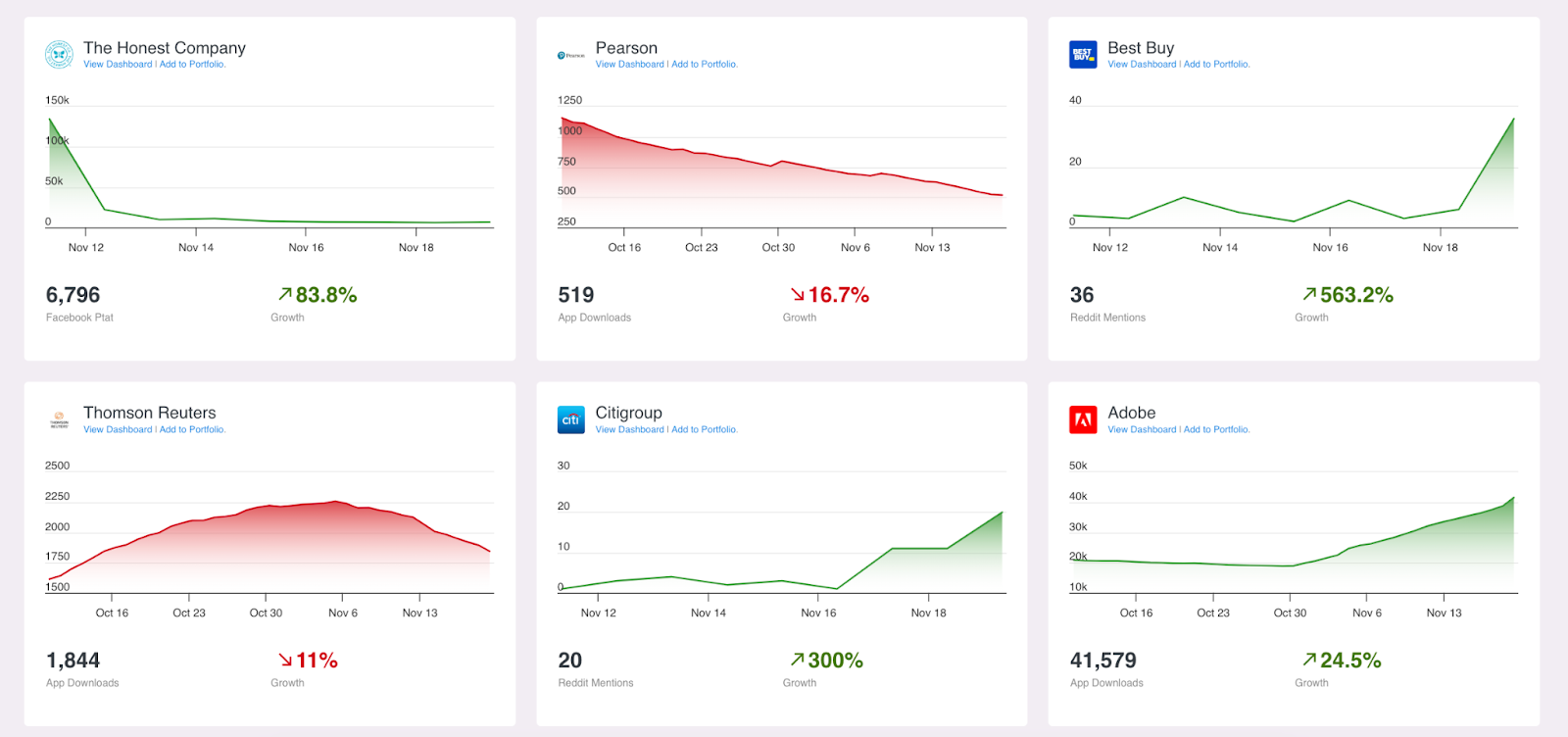
Providers like AltIndex collect and analyze data from social media platforms such as X, Facebook, Instagram, TikTok, and Reddit. These platforms are visited billions of times each month, translating to unparalleled insights. AltIndex utilizes AI to determine whether consumer sentiment regarding stocks, industries, and sectors is positive or negative.
Advantages of using alternative data to invest in stocks
Let’s explore some of the main advantages of using alternative data when making stock trading decisions.
Early mover advantage
The stock market is often about timing. The best alternative data providers give you an edge in the market, as you’re not relying on the same information as the broader market.
Consider this example.
- A stock listed on the NYSE releases its quarterly earnings report.
- It far exceeded Wall Street expectations across most metrics, including revenue, margins, operating income, and earnings per share.
- The likelihood is that the stock will immediately increase, as investors react quickly to positive quarterly earnings.
- However, there is no time advantage, as the earnings are released publicly.
Now consider an alternative data platform like AltIndex. Suppose AltIndex alerts you that Ally Financial is witnessing a continued increase in website visits and app downloads. Moreover, visitors are spending more time on Ally Financial, and broader social sentiment is positive.
This could indicate that Ally Financial is in a strong market position and that its next quarterly earnings report is likely to outperform expectations. As an AltIndex user, you know about this long before the wider markets. Therefore, you could buy Ally Financial stock to capitalize on this.
Get insights on broader trends
Alternative data streams are ideal for discovering broader industry and sector trends. For example, suppose you’re interested in retail stocks. You’d want to know how consumers feel about the health of the economy. After all, discretionary spending increases when sentiment is strong.
This is where an alternative provider, such as Plaid, comes in. It tracks credit card transactions from millions of global consumers. You can analyze the data to assess where consumers are spending their money, and how this compares to previous periods.
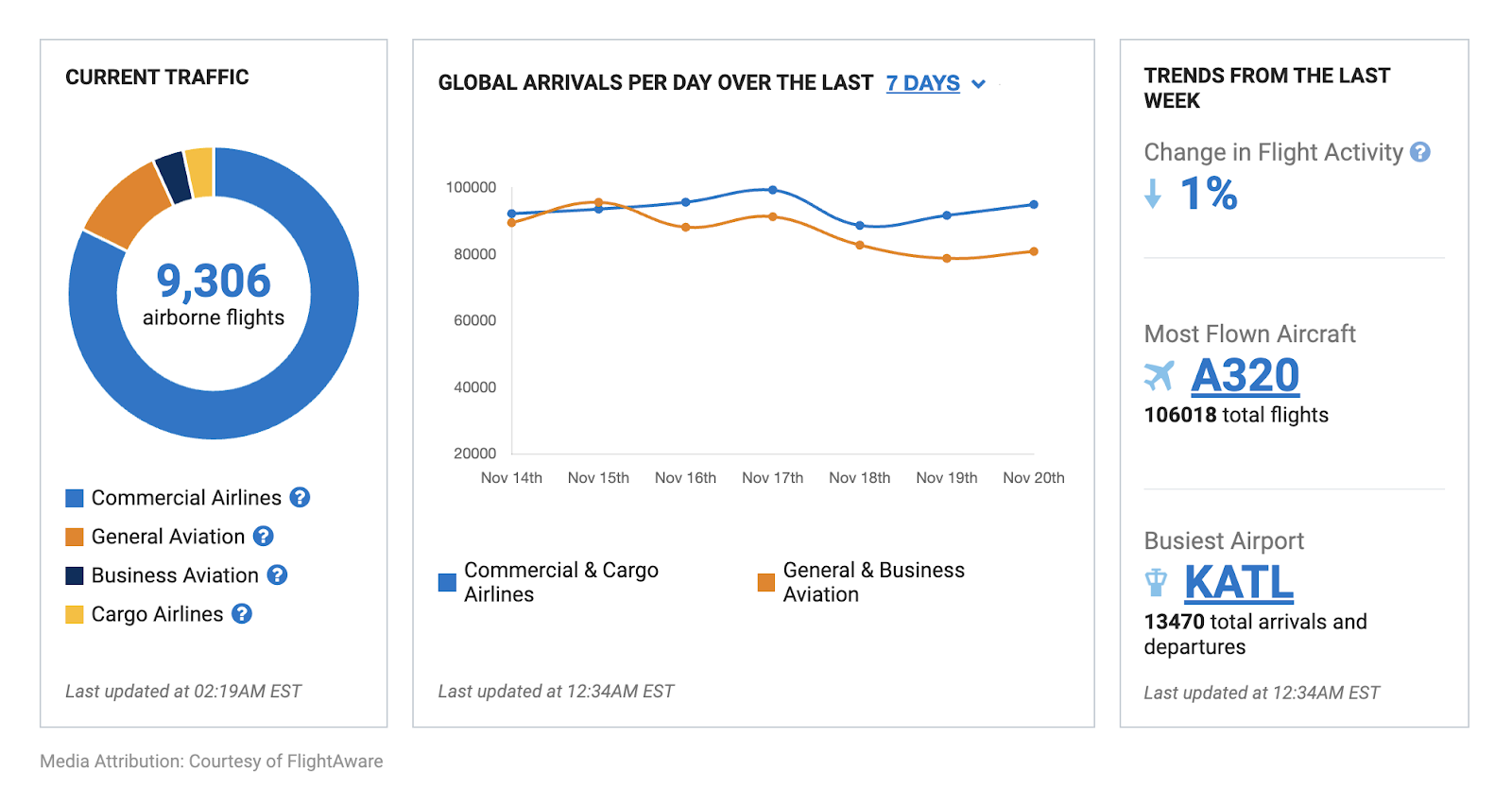
Similarly, FlightAware helps investors discover insights into the aviation industry. It tracks 100% of global flights, offering unparalleled performance metrics. For instance, suppose there is a growing trend in new flight routes being added. This highlights that global passenger numbers are increasing, as airlines must add more routes to meet demand.
Discover risk management insights early
Alternative data isn’t only suitable for finding new investment opportunities. It is also a valuable tool in managing portfolio risk. This is because you’ll discover potential red flags at the earliest possible stage, rather than relying on mainstream media.
Suppose you’re currently holding Samsung stock. Its primary revenue source is smartphones, so you’d want to know how its latest model is viewed by consumers. An alternative data provider like AltIndex is ideal here, as it can evaluate consumer sentiment across social media.
It achieves this by analyzing likes, shares, and comments – specifically related to Samsung’s new smartphone launch. AltIndex discovers that sentiment is increasingly negative, in terms of performance, camera quality, and price. Therefore, you might decide to sell your Samsung stock position before the news becomes mainstream.
Our methodology when scoring the best alternative data providers
Let’s explore how we ranked the best alternative data providers for this comparison guide. This will help you choose a suitable provider for your own investment needs.
Type of alternative data
You’ll first need to assess what type of alternative data you seek. This should align with your investment goals and your preferred markets. For instance, if you’re thinking about investing in airline or hospitality stocks, FlightAware is a good starting point.
You’ll get a heads-up on any potential market shifts, such as an increase or decrease in passenger numbers. You can also niche down into specific airlines to understand their performance. For example, if an airline is repeatedly canceling key routes, this could be a sign of operational issues.
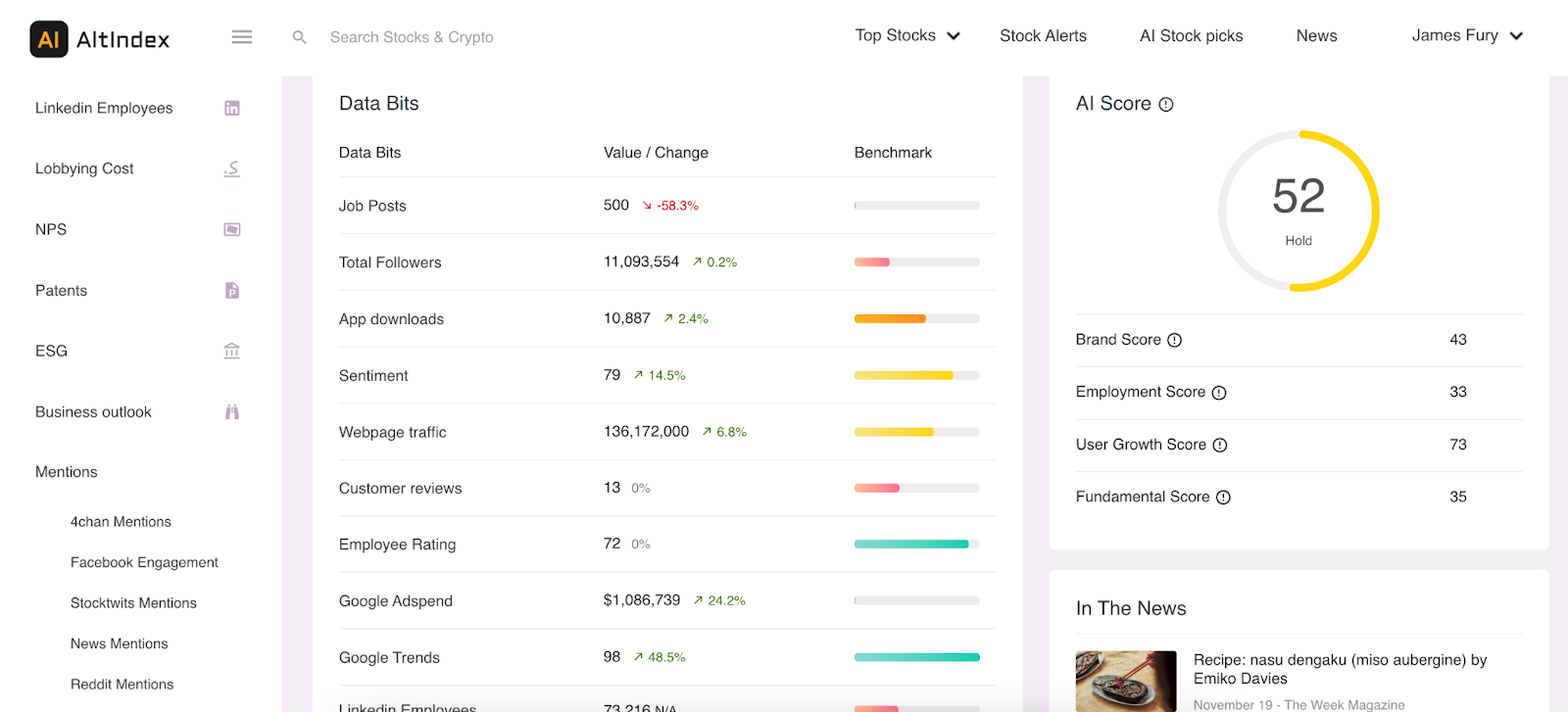
If you’re looking to invest in consumer-focused stocks, such as technology companies or retail, then AltIndex is the best option. You’ll have access to near-real-time insights on consumer sentiment and public opinion across thousands of stocks. Crucially, you’ll want to avoid stocks that have a negative outlook from the broader market.
Time advantage
We’ve established that alternative data provides investors with a time advantage over the broader markets. In contrast, regular data sources – such as financial news and earnings reports- are accessible to everyone at the same time.
That said, it’s important to assess how much of an edge you have when choosing an alternative data provider. For instance, StockTrot sends alerts when a company makes a Form 4 filing with the SEC. This means an insider transaction has taken place within the prior two business days.
As soon as the filing is made, StockTrot users receive an alert within minutes. This is a significant time advantage, especially if it pertains to a small-cap company that receives limited exposure from mainstream financial media.
An even greater time advantage is available on AltIndex. Its social sentiment insights are often several weeks ahead of the broader markets. This is because its insights are based on real-time social media and website data, rather than secondary sources.
Reliability of the alternative data
This metric is more challenging to assess, especially if you have limited experience with alternative data streams. Crucially, you’ll need to feel confident that the data being delivered is reliable and accurate. If it isn’t, then you’re making stock investments based on invalid information.
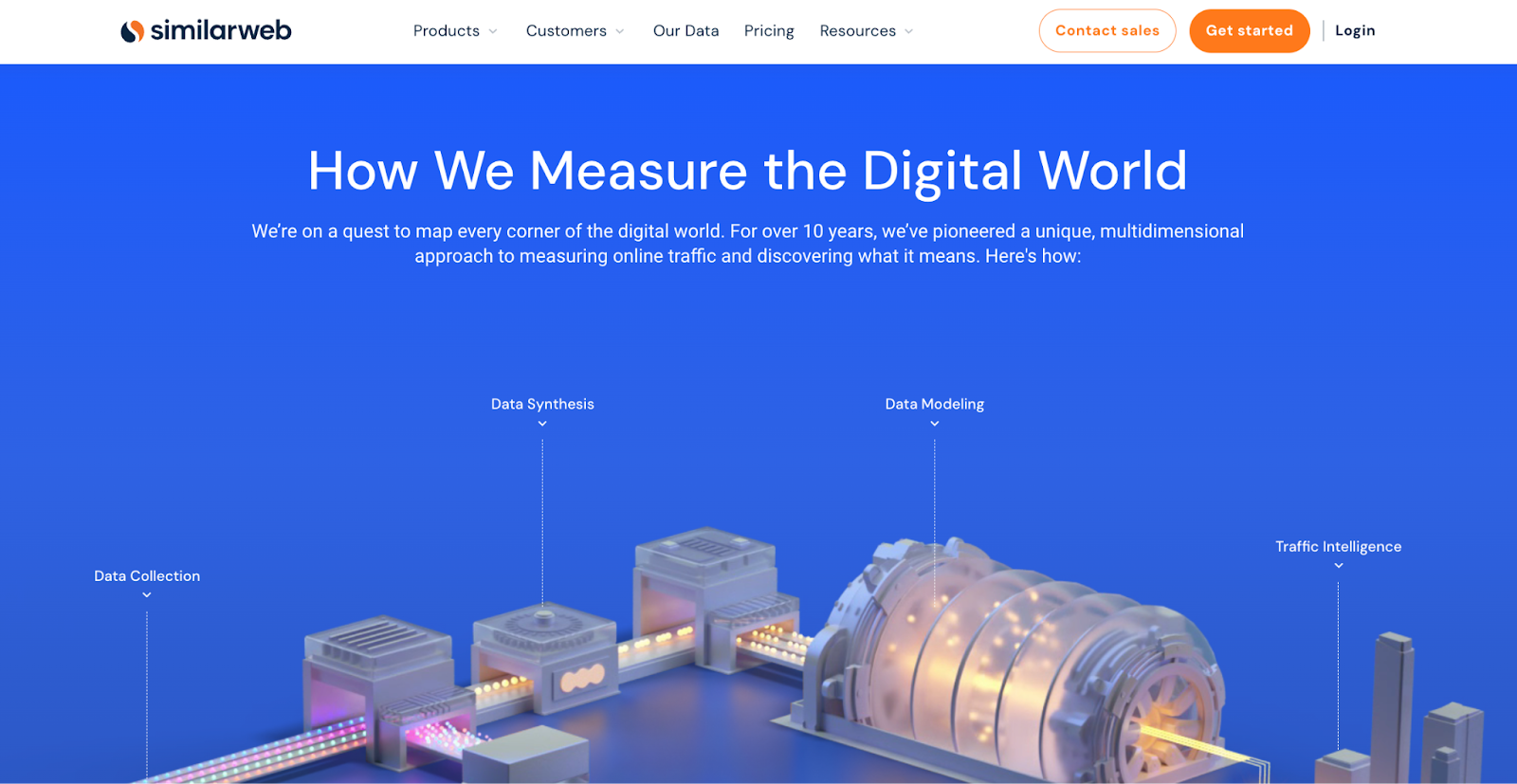
We found that the best alternative data providers have a section on their websites dedicated to data accuracy. They also explain how the data is sourced and how it complies with data privacy laws.
For example, Similarweb offers a fully-fledged methodology for its data collection and analysis processes. This showcases that its data is reliable, as it’s transparent on how it is obtained.
Ethical and legal considerations
When researching the best alternative data providers, it’s crucial to assess whether the data is being collected ethically and legally.
If the provider collects data from European Union citizens, it must comply with the General Data Protection Regulation (GDPR). The US equivalent of the GDPR is the California Consumer Privacy Act (CCPA).
Both pieces of legislation are taken very seriously by state and federal governments. Not only does this mean that users should be aware that their data is being tracked, but they must agree to it.
Alternative data fees: How much do I need to spend?
Alternative data stream fees will vary widely depending on the provider, the type of data, and how much of an edge it provides. Just remember, there is increasing demand from hedge funds for reliable alternative data. In fact, according to a Research & Markets report, spending on alternative data streams is expected to hit $18.94 billion by 2027.
This translates to a compound annual growth rate of 46.7%. Therefore, some of the best alternative data sets are aimed exclusively at financial institutions with vast budgets. All that being said, alternative data providers have also seen growing interest from the retail client space. This means that alternative data is becoming more affordable.
For example, AltIndex’s most premium plan costs just $99. Not only does this offer unlimited access to its social sentiment findings, but AI-backed stock recommendations, alerts, and portfolio management tools. Similarly, FlightAware is also competitive, charging just $149.95 per month for its most expensive package.
However, if you’re a casual trader who typically buys and sells stocks in small fractions, alternative data might not be financially viable. After all, even if you’re profitable, you might not make enough money to cover your alternative data subscriptions.
Conclusion
Alternative data is one of the most valuable information sources when making stock trading decisions. You’ll have access to insights that aren’t common knowledge, giving you a solid advantage.
For retail investors, one of the standout providers in this space is AltIndex. With a focus on social sentiment analysis, it helps you gauge public perception of stocks – whether positive or negative. In addition, the data is processed by AI, making the insights fast, reliable, and easy to act on.