


Renewable energy stocks in the UK and elsewhere have considerable potential to perform well, driven by the push to combat climate change. Some of the efforts are paying off, as the UK reached a turning point last year. For the first time ever, the country was using more low-carbon renewable power (wind, solar and hydropower) than fossil fuels, according to Ember, a global energy think tank.
The UK has signed up to the International Energy Agency’s goal of achieving net-zero carbon dioxide emissions by 2050. Chancellor Rachel Reeves pledged £3.9 billion of funding in 2025‑26 for the clean energy sector to help achieve this goal.
There’s a varied range of stocks that could benefit, including those linked to wind power, solar panel manufacturers, lithium-ion battery and hydrogen fuel cell manufacturers. We’ve analysed the sector, and this guide features five of the best UK renewable energy stocks that we’ve found:
Top trading and investing platform
- Ideal for beginner investors
- Copy trade other successful investors
- Access 6,000+ stocks for local and global exposure

The best UK renewable energy companies to watch right now
Here’s an overview of the top UK clean energy stocks, all of which are listed on the London Stock Exchange (LSE) or its Alternative Investment Market (AIM):
- Elixxir International Plc: The financial services firm’s consulting division, Elixirr US, provides expertise in the energy, resources, and utilities sectors. It advises companies on the transition to renewable energy.
- SSE Group: Formerly known as Scottish & Southern Energy, it produces electricity from multiple sources, including wind and hydro power, and offers energy efficiency advice and renewable energy projects.
- Ceres Power Holdings: It specialises in solid oxide fuel cells (SOFCs), which convert chemical energy into electrical energy, to power homes, businesses, data centres, and electric vehicles
- ITM Power: It designs, manufactures, and integrates electrolysers that use proton exchange membrane (PEM) technology to produce green hydrogen using renewable electricity and tap water.
- Greencoat UK Wind: The company invests in operational wind farms in the UK to generate stable and predictable income while providing investors with a growing dividend that’s linked to inflation.
Disclaimer: Your capital is at risk.
- Show Full Guide
An in-depth look at these top UK renewable energy stocks to buy
Let’s dive deeper into why we selected these clean energy stocks and what makes them stand out.
1. Elixirr: UK renewable energy stock with growing consultancy fees
The London company, which transitioned from the AIM to the main London Stock Exchange on July 1, offers a range of consulting services related to renewable energy.
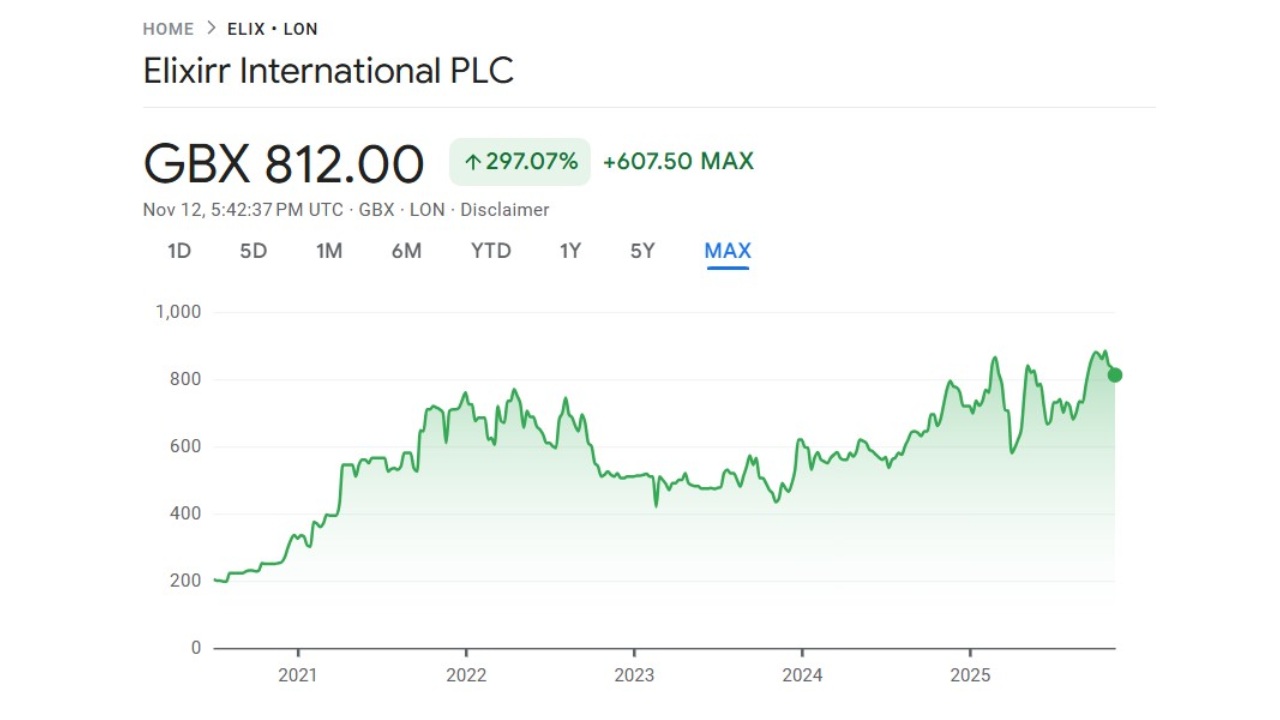
Its services include strategy development, feasibility studies, due diligence, market entry strategies, and operational optimisation for renewable energy projects.
Elixirr (ELIX.L) carries no debt and has quadrupled its earnings before interest, taxes, depreciation, and amortisation (EBITDA) since 2019. In its interim report, it posted revenue of £71.4 million, a 35% year-over-year increase. EPS was 29 pence, also up 35% compared to the same period last year.
The company has grown through acquisitions. Its 2024 purchase of Hypothesis added £9.6 million of revenue in the first six months, and Elixirr has just made its biggest deal yet, spending $125 million to buy TRC Advisory, a US-based strategic consultancy firm, in September 2025, broadening Elixirr’s footprint in the US.
Elixirr has a diverse client base and grew its number of £1 million clients by six to 31 total in the first six months. While its clients include green energy companies, the firm also consults with clients in the insurance, healthcare, and manufacturing sectors. The company’s clients include Meta, Google, Microsoft, Amazon, Toyota, Spotify, and other blue-chip companies.
Elixirr has a dividend that has a current yield of 2.14%. It raised its full-year dividend payout by 20% to 17.8 pence. One concern with Elixirr is that it’s a small-cap stock with a market cap of £407.03 million, so its shares could be volatile due to low liquidity.
Your capital is at risk.
2. SSE: Scottish utility with plenty of exposure to renewable energy
The Perth, Scotland-based company develops, owns, and operates renewable energy assets, including onshore and offshore wind, hydro power, solar and battery technologies, flexible thermal generation, and localised energy systems in the UK and Ireland. Its shares are up more than 23% this year.
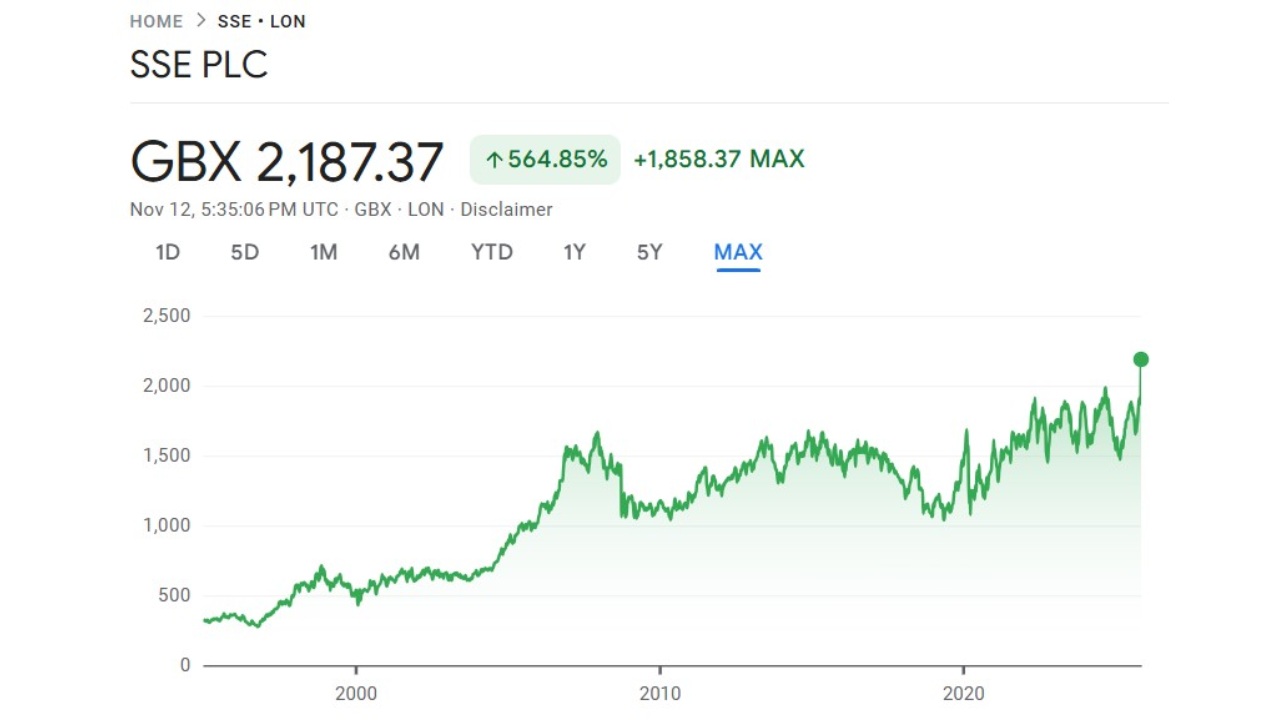
SSE (SSE.L) is exploring funding options, including a share sale that could raise billions of pounds, as it seeks to raise funds to meet a boost in grid spending, according to a Bloomberg News report.
The SSE Group umbrella encompasses seven businesses: SSE Renewables, SSE Thermal, SSEN Transmission, SSEN Distribution, SSE Energy Solutions, SSE Airtricity, and SSE Energy Markets. The SSE Renewables group is developing the Dogger Bank Wind Farm, the world’s largest offshore wind farm, off the Northeast coast of England.
SSEN Transmission has unveiled plans for a £22 billion investment in Scotland’s electricity grid. This ambitious project aims to bolster critical infrastructure and pave the way for a fully renewable energy grid by 2030. However, the plan requires approval from the UK energy regulator, Ofgem.
The company’s vision includes significantly enhancing the north of Scotland’s transmission network. This upgrade will enable the region to supply a substantial portion of Britain’s clean energy needs, potentially accounting for up to 20% of the national demand.
SSE is a large-cap stock with a market value of £21.55 billion, and it’s part of the FTSE 100 Index. Yet, it’s trading for less than 19 times earnings. While many of its fiscal 2025 numbers were down, the company remains stable, and it consistently raises its dividend.
In its interim report, it posted an operating profit of £655 million, a 24% decrease year over year. EPS fell 29% to 36.1 pence. So far, though, it hasn’t trimmed its dividend, set at 64.2 pence, which yields around 3.59%.
In the report, it revealed a plan to get out of its woes, including a £33 billion five-year investment initiative to increase its exposure to UK electricity networks.
The UK’s commitment to renewable energy, along with the increased power demand from data centres, points to plenty of reasons for long-term optimism in SSE.
Your capital is at risk.
3. Ceres Power: Huge gains in revenue, orders at this clean energy stock
Ceres (CWR.L), based in Horsham, England, is a leading developer of clean energy technology, including electrolysis for the production of green hydrogen and fuel cells for power generation.
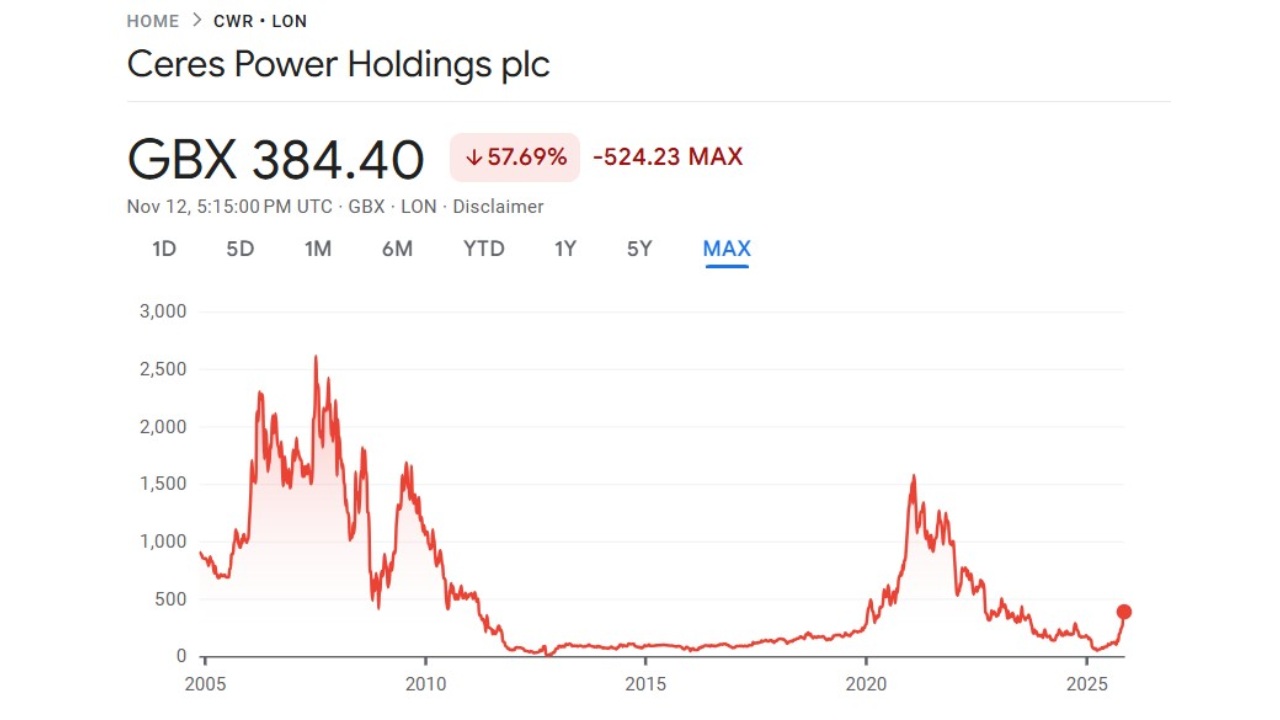
It boasts the LSE Green Economy Mark, which recognises listed companies that derive more than 50% of their activity from the green economy.
It’s one of the leaders in solid oxide fuel cell power systems. Its products are helpful in decarbonising cities, factories, data centres, and electric vehicle charging, while its fuel cell technology transforms hydrogen and oxygen into electricity.
Its asset-light licensing model provides high margins as the company partners with major companies, including Bosch, Doosan, Delta, Denso, Shell, Thermax, and Weichai.
Six months into the fiscal year, it reported revenue of £21.1 million, a 26% decrease year over year. The company expects full-year revenue of approximately £32 million. Its adjusted EBITDA loss widened to £11.3 million from a loss of £9.04 million in the same period last year.
With the push for green energy, several partners are turning to Ceres for its electrolysis technology to help decarbonize their industrial processes. In July, Doosan became the first Ceres partner to enter mass production of products using Ceres’ solid oxide fuel cell (SOFC) technology.
The royalty revenue streams due to Ceres will follow Doosan’s first commercial sales. The fuel cells, stacks, and power systems that Doosan Fuel Cell produces will be sold initially to customers in South Korea.
Like Elixxir, Ceres is a small-cap company, with a market capitalisation of only £800.22 million. While that leaves plenty of room for the type of growth it has shown, it also makes the stock somewhat riskier. However, so far this year, the stock has increased by more than 120%.
4. ITM Power: Leading player in PEM electrolysers needed for green hydrogen
ITM Power (ITM.L), based in Sheffield, England, designs and manufactures Proton Exchange Membrane (PEM) electrolysers, used to split water into hydrogen and oxygen to produce green hydrogen.
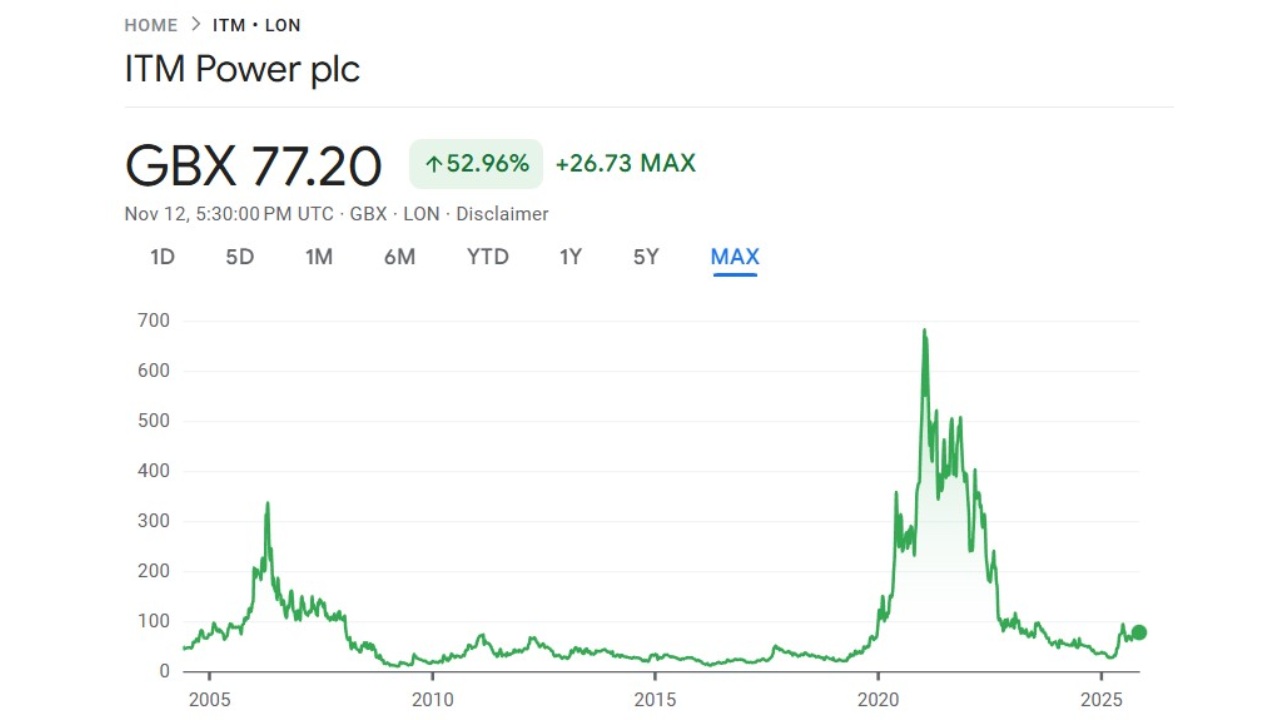
The small-cap company (£482.24 million) has seen its shares soar by more than 118% so far this year. It benefits from trends as the UK Government’s Hydrogen Strategy plans to produce 10GW of clean hydrogen by 2030, with a minimum of 6GW being green hydrogen.
Founded in 2000, ITM was the first PEM electrolyser manufacturer to be listed on the LSE. ITM stock trades on the LSE’s AIM market.
In its half-year results, the company reported revenue of £15.5 million, a 74% increase year over year. Adjusted EBITDA loss was £16.8 million, compared to a loss of £18.1 million in the same year-earlier period. #
The company is forecasting full-year revenue of between £18 million and £22 million. It also expects its full-year adjusted EBITDA loss to be £36 million compared to a loss of £32 million in 2024.
While ITM isn’t profitable, investors were encouraged by its successful launch in late May of the NEPTUNE V, its full scope 5MW containerised electrolyser plant.
What bodes well for the future is that ITM has a contracted order backlog of £145.1 million, 88.9% higher than a year earlier. It forecasts 2026 revenue to grow by 50% to between £35 million and £40 million, with the majority of the revenue expected to come from the contracted order backlog.
5. Greencoat UK Wind: Underpriced utility delivers a reliable high dividend
In 2023, Greencoat UK Wind (UKW.L) was the first renewable infrastructure fund to list on the LSE. The firm invests in UK wind farms and wholly owns or has a share of 49 wind farms across England, Scotland, Wales, and Northern Ireland. It’s a mid-cap stock with a market cap of £2.17 billion.
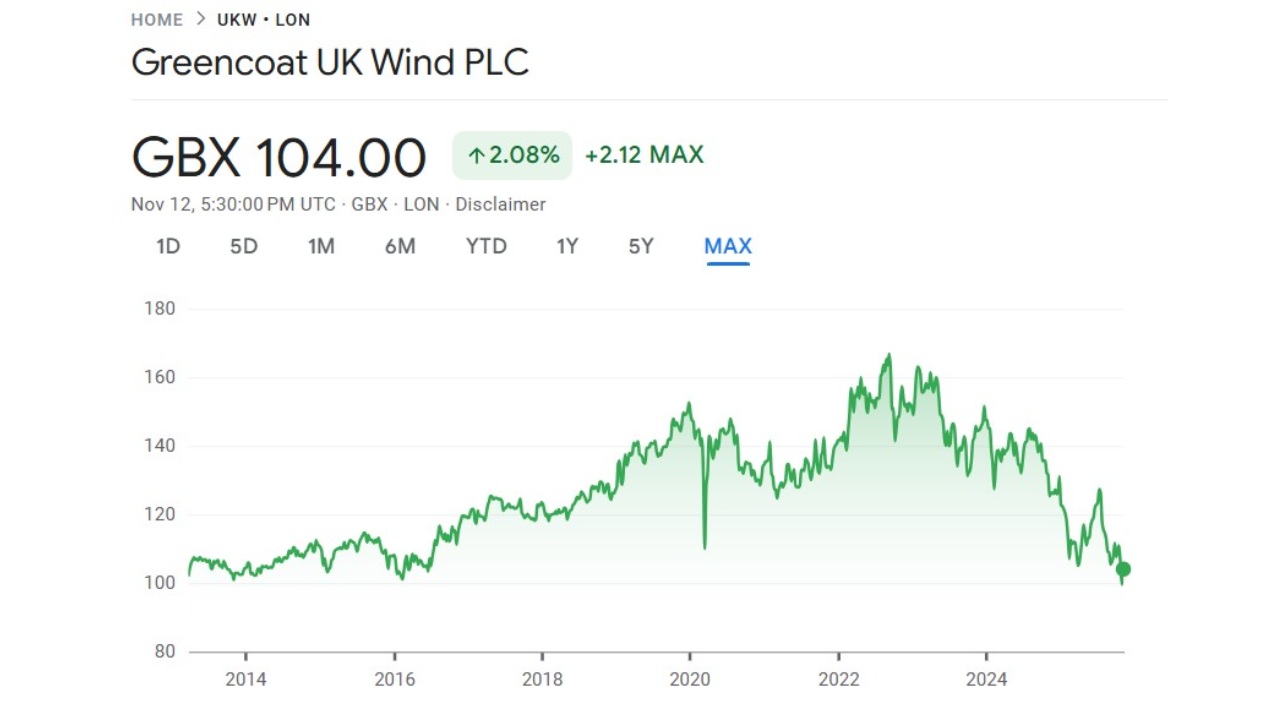
Its shares are down roughly 21% this year and more than 22% over the past year. Even so, as a boon to shareholders, the London-based company is in the midst of a second £100 million share buyback program since 2023.
It also pays a decent dividend with predictable increases, as Greencoat ties lifts its dividend in line with the Retail Price Index (RPI) measure of inflation. It has increased its dividend for 12 consecutive years, with RPI or better returns, since its IPO. The yield on the dividend is approximately 10%, and it has historically had an average coverage ratio of 1.8 times.
So far this year, wind speeds and lower power prices have cut into the company’s margins, but they remain healthy. Halfway through fiscal 2025, it had revenue of £417,784, down less than 1% from the same period in the previous year. Net asset value per share fell 5% year over year to £1.43.
The company is the fifth-largest owner of wind farms in the UK and, considering the focus on wind energy in the UK, is well-positioned for growth.
How do these stocks stack up?
| Ticker on LSE | Company | 1- year performance |
|---|---|---|
| ELIX | Elixirr International | +14.48% |
| SSE | SSE Group | +14.68% |
| CWR | Ceres Power Holdings | +119.78% |
| ITM | ITM Power | +89.50 |
| UKW | Greencoat UK Wind | -22.33% |
Your capital is at risk.
[/su_table]What are renewable energy stocks?
Renewable energy stocks represent companies involved in the innovation, production, and deployment of clean energy solutions. These technologies, such as solar, wind, geothermal, biomass, and hydropower, are crucial in transitioning to a sustainable future.
Companies within this sector fall into the following categories: technology manufacturers and project developers, and operators.
Technology Manufacturers: These companies specialize in creating the hardware that powers renewable energy systems. Prominent examples include:
- Solar Panel Manufacturers: Companies such as JinkoSolar, Canadian Solar, and Longi Solar produce solar panels that convert sunlight into electricity.
- Wind Turbine Manufacturers: Siemens Gamesa, Vestas Wind Systems, and GE Renewable Energy design and construct wind turbines, harnessing wind energy.
- Hydropower Equipment Manufacturers: Andritz, GE Renewable Energy, and Voith Group provide turbines, generators, and other essential components for hydroelectric power plants.
- Project Developers and Operators: These companies focus on building and managing renewable energy projects. Key players include:
- Independent Power Producers (IPPs): Companies such as NextEra Energy, Enel Green Power, and Iberdrola develop, finance, and operate various renewable energy projects.
- Utilities: Traditional utilities, such as NextEra Energy, Duke Energy, and Ørsted, are increasingly investing in renewable energy initiatives to meet growing demand and environmental goals.
As the world shifts towards cleaner energy sources, renewable energy stocks offer significant growth potential for investors seeking sustainable and profitable opportunities.
Pros and cons of investing in renewable energy stocks
Let’s examine some of the advantages and disadvantages of investing in this sector.
Benefits of investing in renewable energy stocks
- Growth potential: The renewable energy sector is poised for significant growth, driven by supportive government policies, technological advancements, and increasing demand for clean energy.
- Environmental impact: By investing in renewable energy, you contribute to a more sustainable future.
- Portfolio diversification: Investing in renewable energy stocks can help diversify your investment portfolio, reducing your reliance on traditional energy sources.
- Potential for above-average dividends: While dividend yields may be lower than traditional utilities, some renewable energy companies, such as Elixirr International and Greencoat UK Wind, offer attractive dividend payouts.
Risks associated with renewable energy stocks
- Policy uncertainty: Government policies can significantly impact the renewable energy industry. Changes in support or incentives could negatively affect company profitability.
- Increased competition: Growing competition within the sector may lead to price pressures and reduced profit margins.
- Technological risk: As a relatively new industry, renewable energy faces the risk of technological obsolescence. Developing new technologies can be costly, increasing risks for companies.
How to invest in renewable stocks in the UK?
First, check to see if your brokerage account allows you to trade the renewable stocks you want to buy. Some of them may be considered penny stocks, and not all brokers allow investors to trade in penny stocks. Also make sure that your broker is registered with the proper regulators to avoid unregistered scams.
As with any stock, you need to do your own research before investing, looking at a company’s earnings reports going back a few years.
Check carefully if the company is on solid financial footing and appears to be headed in the right direction. Be especially cautious at first. Even if a stock’s valuation appears attractive, it makes sense to proceed slowly with smaller buys at first to test the viability of your investment.
Your capital is at risk.
Are there any UK renewable energy ETFs?
Yes and renewable energy ETFs can help investors get exposure to the green energy sector while providing diversification.
Two of the more prominent renewable energy ETFs in the UK are the TCW Transform Systems ETF (NETZ), and the Amundi ETF MSCI Europe Energy (ANRJ).
The TCW Transform Systems ETF (LSE:PWRD) is an actively managed ETF that is up more than 36% over the past year. It focuses on companies that benefit from global transformation in the systems supporting the sourcing, production, and consumption of energy and power.
Shares of the Amundi ETF MSCI Europe Energy ETF (LSE:ENGE) are up more than 22% this year. The passively managed fund tracks the performance of the MSCI Europe ESG Leaders Select 5% Issuer Capped Index, which focuses on the largest energy companies in Europe.
Do I need to pay tax on renewable stocks in the UK?
Generally yes. Consult a tax professional regarding your specific situation, but there are two types of taxes affecting penny stocks in the UK, Capital Gains Tax (CGT) and Stamp Duty Reserve Tax (SDRT).
The CGT applies to profits made when selling stocks outside of tax-efficient accounts like ISAs or SIPPs. The amount of tax owed depends on your income tax bracket.
The SDRT is a 0.5% tax paid when buying UK-listed stocks, which is not applicable for most overseas shares or exchange-traded funds (ETFs).
Tax-efficient accounts like ISAs and SIPPs shelter your investments from taxes like CGT. However, SDRT might still apply to non-UK holdings within these accounts.

How We Rate Stocks
We review each stock that is selected. Below are the key metrics we check before listing stocks on the website. For further details, you can also take a look at our stocks rating guide, featured on ValueWalk.
Balance sheet
Potential Growth
Competitiveness
Liquidity
UK renewable energy stock FAQs
Is the UK government investing in renewable energy?
What is the best UK renewable energy stock?
What’s the long-term prognosis for renewable energy companies in the UK?
Are there risks associated with investing in renewable energy stocks?
References
- Ember renewable power report
- Net Zero by 2050: A Roadmap for the Global Energy Sector, IEA
- Elixirr joins LSE
- Elixirr interim report
- Ceres full-year report
- Doosan partnership with Ceres on fuel cell production
- SSE interim report
- ITM Power interim results
- ITM Power fiscal 2025 annual report
- Greencoat UK Wind half-year report
- Grand View Research report on renewable energy
Disclaimer:
eToro is a multi-asset platform which offers both investing in stocks and cryptoassets, as well as trading CFDs.
Please note that CFDs are complex instruments and come with a high risk of losing money rapidly due to leverage. 51% of retail investor accounts lose money when trading CFDs with this provider. You should consider whether you understand how CFDs work, and whether you can afford to take the high risk of losing your money.
This communication is intended for information and educational purposes only and should not be considered investment advice or investment recommendation. Past performance is not an indication of future results.
Copy Trading does not amount to investment advice. The value of your investments may go up or down. Your capital is at risk.
Don’t invest unless you’re prepared to lose all the money you invest. This is a high-risk investment and you should not expect to be protected if something goes wrong. Take 2 mins to learn more
eToro USA LLC does not offer CFDs and makes no representation and assumes no liability as to the accuracy or completeness of the content of this publication, which has been prepared by our partner utilizing publicly available non-entity specific information about eToro.