

Buying Bitcoin with a credit card without KYC is still possible in 2026. It is not always straightforward, but in this guide, we focus on showing you the safe paths, clear steps, and the trade-offs you should expect.
It’s essential to note that some no-KYC platforms may be unlicensed, and card payments are never entirely private. Still, our goal is to help you purchase Bitcoin anonymously, while also understanding the limits and risks.
After testing multiple methods of purchasing BTC without KYC, the best way to buy Bitcoin with a credit card and no verification is Best Wallet, a self-custody app that allows you to purchase BTC with Visa or Mastercard and receive it in a wallet you control.
There are other options available, which we compare below, so you can choose the one that best fits your situation.
- Show Full Guide
Ranking the different ways to buy Bitcoin with a credit card and No KYC
These five methods offer the cheapest way to make Bitcoin purchases instantly and can be considered the best ways to buy Bitcoin with a credit or debit card and no verification process:
| Method | Estimated Fee | Limit | Best For? |
| Best Wallet | ~3% | Up to ~$5,000 | Speed, fees, and ease of use |
| Peer-to-peer exchanges | 10–15% | Defined by seller (often <$1,000) | Avoiding third parties |
| No-KYC exchanges | 3–5% | $150–700 | Instant settlement |
| ChangeNOW | ~1% + spread | Up to €700/day without KYC | Integration with major exchanges |
| Crypto ATMs | 10–20% | Often <$1,000 | In-person transactions |
| Gift cards | 10–20%+ | $50–200 per card | Increased anonymity |
Best ways to buy Bitcoin without an ID verification
We’ll now examine the most affordable way to purchase cryptocurrency using a credit or debit card with no verification process.
We’ll discuss the pros and cons of each payment method, allowing investors to make an informed decision before making Bitcoin purchases.
1. Best Wallet – The best way to buy Bitcoin anonymously with Visa and MasterCard
Best Wallet is one of the best anonymous crypto wallets that will appeal to most Bitcoin investors. It’s both a self-custody wallet and a decentralized exchange. No bank account or personal information is needed. Just decide how much Bitcoin to buy, type in the credit card details, and confirm. Return to the wallet balance, and you should find the Bitcoin you purchased immediately.
Limits depend on the payment processor, but some allow over $5,000 without KYC. Best Wallet also supports cryptos from different chains and offers instant token swaps via liquidity providers.
Everything is conducted within the wallet interface.
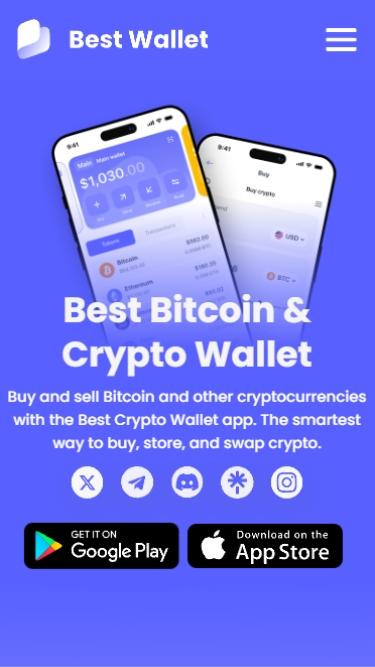
Most credit card purchases cost 3%, but the fees aren’t transparently displayed because charges are included in the final quote. Best Wallet is available as an Android and iOS app, with support for desktop browsers coming soon.
Upcoming features also include leveraged perpetual and staking.
Pros
- Buy Bitcoin (BTC) anonymously via a self-custody wallet
- High limits are supported
- Purchases are settled immediately
- Reasonable fees of about 3%
- Also supports altcoins
Cons
- Only available as a mobile app
- Staking features are still being developed
How to buy Bitcoin with a credit card (no verification) in Best Wallet
- Download the Best Wallet app from Google Play or the Apple App Store.
- Set up your self-custody wallet and back up the 12-word recovery phrase.
- Tap “Buy,” choose Bitcoin, and enter the amount you want to purchase.
- Select a listed provider that states “No verification required.”
- Confirm your card payment and check your wallet balance to see the Bitcoin added instantly.
If you want to get started in a few minutes, follow the steps in our Best Wallet review.
2. Peer-to-peer exchanges – Use a credit card without trusting centralized platforms
The next payment method for purchasing crypto is peer-to-peer crypto exchanges. Most peer-to-peer sellers prefer local bank transfers and anonymous cryptocurrency wallets, although credit cards are sometimes accepted. This process bypasses centralized providers, as the seller processes the credit card payment directly.
But first, the seller must transfer the exact Bitcoin amount to the exchange’s escrow. This ensures the payment is only made once the coins are locked. They’ll be released once the seller confirms they’ve been paid. Smooth peer-to-peer transactions are often completed in minutes.
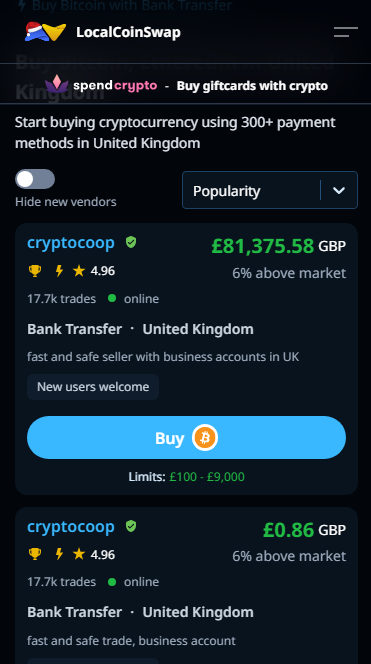
However, the main issue is fees. There’s a significant premium associated with accepting credit cards, considering the risk of chargebacks and increased transaction fees. We discovered that most peer-to-peer sellers add hidden fees of at least 20% to the Bitcoin spot price, with fees built into the exchange rate.
Pros
- Use a credit card without centralized exchanges
- Buy Bitcoin (BTC) directly from the seller
- Smooth transactions often take minutes to complete
- Trade with sellers from any country
Cons
- Expect fees of over 20%
- Some sellers ask for ID documents
Best P2P Exchanges to buy Bitcoin with a credit card without verification
- Hodl Hodl – A global, non-custodial P2P Bitcoin exchange with no mandatory KYC. Sellers choose which payment methods to accept, and many list credit cards as an option. Great for privacy-focused buyers looking for secure escrow and flexible terms.
- LocalCoinSwap – Known for its optional verification and community-driven marketplace, LocalCoinSwap supports hundreds of payment methods, including credit and debit cards. Users can filter sellers by card acceptance and negotiate competitive rates.
- Peach Bitcoin – A mobile-first P2P platform that markets itself as no-KYC by default. It offers over 100 ways to pay, including credit card purchases. Ideal for buyers who want fast, app-based Bitcoin trades with strong privacy features.
- RoboSats – A privacy-first, Lightning-based exchange accessible via Tor. No ID is required, and sellers set their own payment preferences. Some may accept credit cards, though availability is limited due to chargeback risk.
| Note on Bisq: While Bisq is one of the most respected no-verification P2P exchanges to buy Bitcoin, it does not support credit cards for Bitcoin purchases. This makes it less relevant if your priority is specifically credit card payments. |
How to buy Bitcoin with credit card (no verification) in P2P crypto exchanges step by step
- Create an account on a P2P marketplace such as Paxful, Bisq, or LocalCoinSwap.
- Use the filters to find sellers that accept credit card payments.
- Review each seller’s terms, rating, and pricing before choosing one.
- Pay the seller via credit card once the Bitcoin is locked in escrow.
- After the seller releases funds, transfer the coins from escrow to your personal wallet for full control.
3. No-KYC exchanges – Instantly buy Bitcoin and other cryptocurrencies without ID
No-KYC exchanges have attracted millions of active traders in recent years. They’re often based offshore, where regulatory demands are much weaker. This means accounts only require an email address and a password, providing a private investing experience. This extends to credit card services.
For example, PrimeXBT – an established exchange that launched in 2018 – allows anonymous crypto-to-crypto trading without mandatory KYC. However, fiat purchases via Visa or MasterCard are processed by third-party providers such as Coinify and do require identity verification, with fees typically around 2.5%.
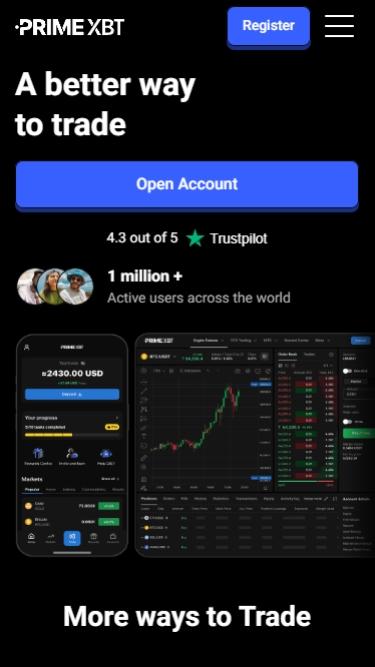
Best of all, PrimeXBT—like many no-KYC exchanges—offers plenty of other cryptocurrencies. It also supports perpetual futures, with leverage of up to 200x available on major markets. PrimeXBT processes withdrawals once per day between 12:00 and 14:00 UTC, with a daily withdrawal limit of approximately $20,000, depending on account status.
Pros
- Instantly buy Bitcoin with Visa or MasterCard
- Avoid KYC on purchases of under $2,000
- Supports many other cryptocurrencies
- Also lists perpetual futures with 100x leverage
- Only an email address is needed when registering
Cons
- Withdrawals are only processed once per day
- Doesn’t offer a spot trading exchange
Top no-KYC exchanges to purchase BTC with a credit/debit card and no ID
- Margex – No-KYC leveraged exchange popular for up to 100× margin trading. Features include copy trading, trading bots, low fees, and support for over 46 trading pairs. Credit card funding is supported through integrated payment providers.
- BloFin – A fast-growing no-KYC exchange with generous limits, allowing 20,000 USDT daily withdrawals without ID. Offers low fees on spot/futures, built-in futures bots, staking services, and strong fiat card support.
- MEXC – A custodial, high-volume exchange offering no-KYC trading tiers for crypto-to-crypto activity. However, purchasing Bitcoin with a credit card requires completing identity verification, as card payments are handled by third-party on-ramp providers that enforce KYC.
- CoinEx – Supports purchases of over 600 cryptocurrencies and offers no‑KYC access at lower tiers. Credit card payments are possible via third-party gateways, enabling anonymous BTC buys up to certain thresholds.
- dYdX – A hybrid (custodial + decentralized) trading platform with no mandatory KYC for basic trades. While not primarily a fiat exchange, you can buy Bitcoin through card-based on‑ramp services that still offer anonymity under low-volume KYC thresholds.
How to buy Bitcoin with a credit card (no verification) in no-KYC exchanges step by step
- Sign up on a no-KYC exchange like PrimeXBT or Margex using only an email and a password.
- Navigate to the “Buy Crypto” page and select Bitcoin.
- Choose a credit card as your payment method.
- Enter your Visa or MasterCard details and finalize the purchase.
- Once the coins appear in your exchange account, withdraw them to a private wallet you own.
4. ChangeNOW – Non-custodial service for buying Bitcoin
ChangeNOW is a known player in the non-custodial crypto swaps services. You can swap cryptos for other cryptos and buy Bitcoin without needing KYC.
To buy BTC without ID verification, users can currently make credit-card purchases of up to €700 (approximately $700) per day without KYC. Purchases above this threshold, or transactions flagged by automated risk-management systems, will require identity verification.
An email address may be required to buy BTC with fiat currencies. However, an email address is not a must for swapping cryptocurrencies unless a large number of cryptocurrencies are acquired.
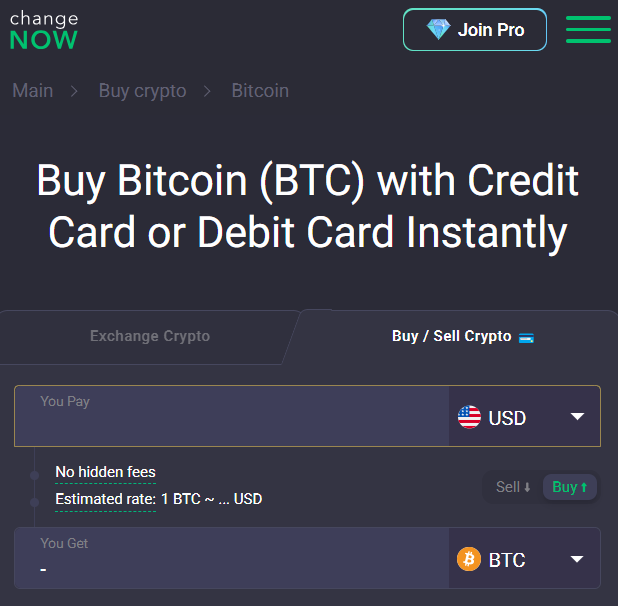
ChangeNOW is integrated into the top crypto exchanges and handles the purchase/swap for you. Regarding supported countries, ChangeNOW is accepting clients from multiple regions, including the United States.
Currently, the minimum amount to purchase Bitcoin instantly with a credit card is approximately $18.
While crypto bridging may allow you to swap cryptocurrencies independently, some new cryptocurrencies may only be available on centralized exchanges, and some may be difficult to bridge. ChangeNOW offers a convenient way to purchase BTC and other digital assets without requiring ID verification.
Pros
- Buy small amounts of Bitcoin without ID verification
- The coins are bought on CEX and transferred to your wallet
- Registration is optional
- Accepting clients from multiple juristrictions includng the United States and Europe
- Live customer support (chat)
Cons
- A markup on Bitcoin spot prices
How to buy Bitcoin with a credit card (no verification) in ChangeNOW step by step
- Go to ChangeNOW’s website or app and select “Buy Crypto.”
- Pick Bitcoin as the cryptocurrency and enter your purchase amount.
- Paste the Bitcoin wallet address where you want the funds sent.
- Select credit card as the payment method and complete your payment details.
- Wait for the confirmation email and track the incoming Bitcoin in your wallet.
5. Crypto ATMs – A great alternative, but expect high fees
Some crypto ATMs support anonymous crypto purchases too, but this depends on the provider. Furthermore, not all terminals accept credit cards, so this also needs to be verified to avoid a wasted trip.
If you want to learn which cards are most suitable for crypto use, our detailed guide on the best crypto credit cards explains how to minimize fees and maximize rewards when paying for digital assets.
The process of buying BTC at a crypto ATM is simple, but do note that limits are often small. You’ll need to specify the purchase size, confirm that you’re satisfied with the quoted rate, and insert your card. The transaction is executed once you enter the card’s PIN.
The crypto ATM will scan your mobile wallet via a QR code. The Bitcoins will then be transferred to your Bitcoin wallet address. If you don’t have a wallet, a receipt will be printed explaining how to claim your crypto.
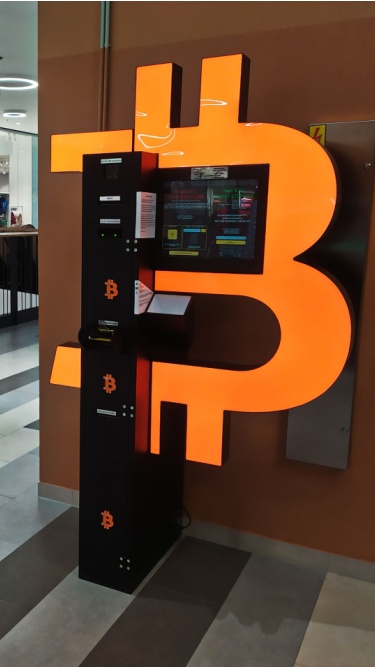
Fees vary by provider, but data from the Federal Reserve Bank of Kansas City shows that the median fee for buying Bitcoin at U.S. crypto ATMs is around 16%, with exchange-rate premiums often pushing the total cost close to 20%.
That said, you could avoid paying a cash advance fee, as the transaction is an in-person purchase. This is rarely the case when using an online exchange to purchase Bitcoin.
Pros
- Buy small amounts of Bitcoin without ID
- Coins are transferred to the user’s wallet
- Potentially avoid cash advance fees
- Thousands of ATMs are located in the US and Europe
Cons
- Huge markup on Bitcoin spot prices
- Not all Bitcoin ATMs accept credit cards
How to buy Bitcoin with a credit card (no verification) in Bitcoin ATMs step by step
- Locate a nearby Bitcoin ATM that accepts credit cards with a site like CoinATMRadar.
- Select Bitcoin on the ATM screen.
- Enter the amount you want to purchase and confirm the quoted rate.
- Insert your card, enter the PIN, and approve the payment.
- The ATM will send the purchased Bitcoin directly to the wallet address you provided via QR code.
6. Gift cards – Enhanced privacy when swapping gift cards for crypto
This payment method offers the highest privacy levels, but it’s also the most inconvenient. In a nutshell, you’ll be swapping gift cards for crypto via a peer-to-peer marketplace. You can obtain gift cards in person without providing ID documents. Popular options include Amazon, Google Play, and Apple.
Then, head to a marketplace like Paxful, which connects buyers with suitable sellers. Type in the gift card value and currency, and choose a seller based on their quoted exchange rate.
Currently, the best available rate is approximately 10% above the Bitcoin spot price, which remains more competitive than some other popular payment methods, such as prepaid vouchers or mobile transfers.
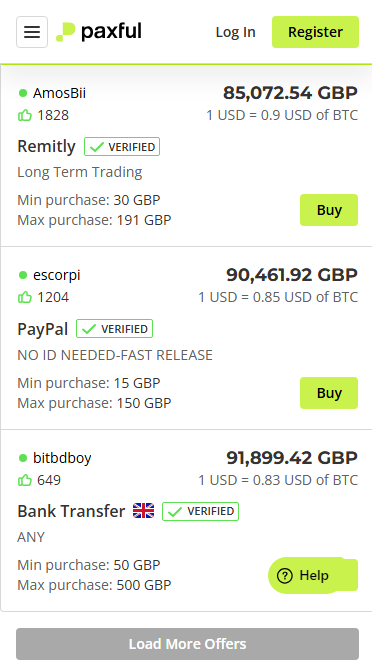
Only transfer the gift card once the seller has funded the escrow wallet. They’ll let Paxful know when it’s received, which releases the coins. You can then withdraw the purchased Bitcoin to a self-custody wallet. Just make sure the seller doesn’t require KYC before accepting a deal.
Pros
- Swap gift cards for crypto anonymously
- Popular providers include Amazon and Apple
- No ID is needed when buying gift cards in person
- Trades are covered by an escrow wallet
Cons
- You’ll typically pay at least 10% above the spot price
- Sellers might not accept the gift cards you purchased
How to buy Bitcoin with a credit card (no verification) using gift cards step by step
- Buy a gift card using your credit card (e.g., Amazon, Apple, Google Play).
- Sign up on a marketplace like Paxful that supports gift card-to-Bitcoin trades.
- Choose a seller that accepts your gift card and compare the exchange rates.
- Submit the gift card code once the seller locks Bitcoin into escrow.
- Release the coins from escrow into your wallet and verify the transfer before closing the trade.
No-KYC credit card methods to buy Bitcoin – Comparison table
| Method | Avg fee | Max limit | Speed |
| Best Wallet | ~3% | Not specified | Instant |
| P2P Marketplaces | Varies by seller; usually ~3–15% above market price | Varies by seller | Moderate |
| No-KYC Exchanges | ~3–5% | $2,000–$20,000/day (platform dependent) | Fast |
| ChangeNOW | Low / built into fixed-rate swap | Unlimited | Fast |
| Crypto ATMs | 5–20% | $500–$995/day (depends on machine/location) | Instant |
| Gift Cards | Varies by seller; usually expensive | $1,000–$5,000/day (Bitrefill, Coinsbee, BitPay) | Slow |
Understanding No-KYC Bitcoin purchases
Buying Bitcoin without verification may sound like a completely private transaction, but that’s not the whole picture.
KYC, short for “Know Your Customer,” is the process through which exchanges verify identity using documents such as a passport or proof of address. These checks are in place to prevent fraud and comply with international financial regulations.
When a platform advertises “no-KYC” purchases, it typically means that small transactions can be completed without requiring the upload of identification documents. However, this distinction is especially important when using credit cards.
While many platforms allow crypto-to-crypto trading without identity checks, credit card purchases are typically processed by third-party payment providers that require KYC. As seen with platforms like PrimeXBT and MEXC, users can trade anonymously once they are funded; however, buying cryptocurrency directly with a card typically involves identity verification at the payment-processing stage.
Additionally, payment processors and banks continue to monitor transactions for suspicious activity, and further verification may be required if a purchase is flagged or exceeds a predetermined limit.
Card payments are never invisible. Visa and Mastercard always verify the cardholder’s name and billing address for fraud prevention, ensuring that your transaction remains visible to the payment provider and your bank, even if your ID was not shared.
On top of that, every Bitcoin transfer is permanently recorded on the blockchain, making all movements traceable. So no-KYC purchases protect your personal identity, not the visibility of your transactions.
Understanding this distinction helps you make safer choices and manage expectations about what privacy in crypto truly means. You can also explore ways to invest in cryptocurrency to build a long-term strategy that balances privacy with compliance.
Pros and cons of buying Bitcoin without ID
Pros
- No data breaches or identity fraud: No-KYC providers don’t ask for government-issued ID. Let alone a social security number and proof of address.
- Avoid the hassles of KYC: You won’t need to upload documents and wait for approval before investing. This saves time and avoids unnecessary hassle.
- Protect yourself against tracing: The chosen provider won’t know your personal information, so you can withdraw Bitcoin to a private wallet without leaving a trace. This means you can’t be tracked.
Cons
- Huge investment fees: Expect to pay at least 10% above the Bitcoin spot price when using crypto ATMs and peer-to-peer exchanges. That said, you can reduce fees to about 3% when opting for Best Wallet.
- Cash advance fees: You might find that your credit card provider charges cash advance fees when buying crypto. This will add a further 3-5% to the purchase.
- Limited consumer protections: You’ll likely be using an offshore provider when buying Bitcoin anonymously. This means a higher chance of being scammed and virtually no consumer protections.
Best no-KYC credit card options to buy BTC by use case
Picking a method is easier when you match it to your goal. To simplify your choice, we have created the following chart, which allows you to compare the advantages of each option and select the one that best suits your needs.
| Method | Best For | Not Ideal For |
| Best Wallet | Fast card buys to a self-custody wallet | Users who only want desktop access |
| P2P Marketplaces | Small buys directly from sellers | Anyone sensitive to higher markups or scam risk |
| No-KYC Exchanges | Active traders who want quick swaps and tools | Newbies who prefer a simple one-screen flow |
| Instant Swap Services (e.g., ChangeNOW) | Simple one-off purchases routed straight to your wallet | Users who need advanced order types |
| Crypto ATMs | In-person purchases when online methods are limited | Buyers avoiding high premiums or low limits |
| Gift Cards | Extra privacy when cards are bought in store | Larger buys or users who want a fast, direct route |
Is it legal to buy Bitcoin without KYC?
In most countries, it’s legal to buy or sell Bitcoin without going through KYC, especially for small, personal transactions.
But when using no-KYC platforms, you’re often dealing with offshore providers that may not follow local AML rules.
You can often pay with a credit card instantly, use a prepaid card, or complete a bank transfer without submitting documents.
While that gives you easy access and avoids ID checks, it doesn’t guarantee full anonymity. These are some important points to know:
- Some banks block crypto-related charges from debit or credit cards, regardless of legality.
- Even if the platform skips KYC, your payment option may still flag or decline the transaction.
- Every transaction touches the Bitcoin network, so it’s never fully untraceable.
If you plan to buy large amounts, expect more risk of delays or account freezes. We strongly encourage using trusted mobile or desktop wallets for storage and sticking to platforms with a solid track record.
Common mistakes to avoid when buying Bitcoin without ID
If you’re buying BTC without verification, the process can feel quick and simple. But small mistakes can lead to high fees, lost funds, or broken privacy.
Here are key risks to avoid before proceeding:
- Picking unverified sellers: Only buy from sellers with strong ratings and a reliable trade history. P2P platforms often display this info to help you avoid scams.
- Using untrusted sites to purchase BTC: If a platform isn’t well-known or feels suspicious, skip it. Stick with user-friendly platforms that clearly display fees, limits, and accepted payment methods like debit or credit cards.
- Overlooking hidden fees from your bank: Some card issuers treat crypto as a cash advance. This can add extra charges, even if the site says the USD amount looks fair. Always check with your bank before completing the transaction.
- Skipping your wallet backup: No matter how small the amount of Bitcoin, always write down and store your recovery phrase. This applies to both mobile wallets and desktop ones.
- Breaking local rules: Just because a platform doesn’t ask you to verify your identity doesn’t mean it’s legal everywhere. Rules vary by country. Make sure you understand the laws before proceeding.
- Reusing wallet addresses or exposing personal info: If you use the same address repeatedly or share your email or phone during the process, it creates a link to your transaction history. Over time, this can break your privacy.
- Sending funds to custodial wallets: Avoid transferring your crypto to wallets or exchanges that require KYC. Even if they accept Bitcoin, your funds may be frozen or traced if linked to a no-KYC source.
Security tips to stay safe
Buying Bitcoin with no KYC can be a great way to trade crypto whilst remaining anonymous. However, this anonymity can also allow fraudsters to operate undetected.
Here are some key safety tips to remember when buying Bitcoin with no KYC:
- Be wary of the risks: Many no-KYC crypto exchanges may have weaker security, no dedicated customer support, lower liquidity, and a lack of transparency around financial health.
- Use a secure wallet: Always use a non-custodial wallet that you control, with private keys in your possession. Hardware and cold storage wallets are particularly effective for this. For detailed protection advice, see our guide on how to store crypto to keep your assets safe from online and offline threats.
- Enable 2FA: Always use an authenticator app like Google Authenticator or Authy (rather than SMS) to add an extra layer of security to your account.
- Strong password: When establishing exchange and wallet accounts, choose a strong, unique password that cannot be guessed.
- Beware of phishing: Easier said than done, but you can still take precautions such as double-checking URLs and addresses, being wary of suspicious emails, and avoiding clicking on links from unknown sources.
Methodology: How we chose these methods to buy no-KYC BTC
To identify the most reliable methods for buying Bitcoin with a credit card without verification, we tested and compared multiple platforms using a consistent methodology.
The goal was to highlight the safest, most transparent, and most practical options available for both new and experienced users.
- Privacy focus: Each method was reviewed for the amount of personal data it requires before a purchase. Platforms that allow credit card transactions without requiring IDs or personal documents scored highest, as privacy remains the primary reason users seek no-KYC options.
- Overall cost: Fees can look small, but add up quickly. We calculated the actual cost of every purchase, including exchange-rate differences, credit card fees, and any other hidden charges. Platforms that kept total costs fair and displayed fees clearly ranked better.
- Ease of use: A smooth process makes all the difference. We evaluated how simple each method is to use, how long it takes to complete a transaction, and whether the interface guides users clearly from start to finish.
- Limits and flexibility: Many services restrict the amount of Bitcoin you can purchase without verification. We prioritized those offering higher limits and flexible transaction sizes, making it easier to start small and scale up safely over time.
- Security measures: We examined how funds are handled and protected during and after the purchase. Platforms that utilize strong encryption, have trusted payment partners, and employ non-custodial storage mechanisms earned higher scores for reliability and user protection.
- Transaction reliability: Failed payments or long delays can turn a good deal into a bad experience. We tested how consistently transactions were processed and how quickly Bitcoin was delivered to the wallet. Fast and dependable settlements stood out clearly.
- Reputation: A strong record of service matters. We considered how long each platform has been operating, what users say about their experience, and how transparent the teams are about their business. Proven credibility helped specific platforms stand out from the rest.
Final thoughts: Which method should you choose to buy BTC without KYC?
Buying Bitcoin without verification is still possible in 2026, but the best option depends on your priorities. Each method strikes a different balance between speed, privacy, and cost.
For fast and simple purchases, Best Wallet is the standout choice. Instant swap services work similarly and are ideal for quick one-time purchases.
If privacy is a top concern, gift cards and crypto ATMs offer added discretion, but often come with higher fees and lower transaction limits.
Active users who value flexibility might lean toward no-KYC exchanges, which offer higher limits and access to trading tools at the cost of some ease of use.
For those who prefer direct deals, peer-to-peer marketplaces remain an option; however, they often include higher markups and require careful vetting to avoid scams.
Ultimately, the right method depends on your goal. You can choose speed and ease when starting out, aim for privacy once you’re comfortable, and always transfer your Bitcoin to a wallet you control.
With the right balance of caution and understanding, it’s entirely possible to buy Bitcoin with a credit card without KYC safely and confidently.
FAQs
How can I buy Bitcoin anonymously?
Can you buy Bitcoin with a credit card without ID?
Do Bitcoin ATMs report to IRS?
Does Moonpay ask for KYC documents?
Which platforms let me buy Bitcoin online with a credit card without verification?
What are peer-to-peer (P2P) alternatives using credit cards?
Are Bitcoin ATMs an option for credit-card no-KYC purchases?
Can I use gift cards to buy BTC anonymously?
Are these no-verification methods safe and legal?
What are the typical fees for credit-card BTC purchases without verification?
Can I stay completely anonymous using my credit card?
References
- Know Your Customer in banking | Thales | 2024
- Demand for No-KYC Crypto Exchanges Surges 2025 | AInvest | 2025
- Flash Releases Free Bitcoin Invoicing Tool with No Fees, KYC, or Custody | Bitcoin Magazine | 2025
- Bitcoin & Crypto Casinos: CTR Collective Experts Help Players Choose No KYC Casinos | GlobeNewsWire | 2025
- Azteco Is Helping Millions Buy Bitcoin Without Sharing Their Identity | Bitcoin Magazine | 2024