


Funding rates are crucial in crypto markets, yet many traders overlook them. Pendle Finance’s new platform, Boros, makes funding rates directly tradable for the first time.
This Pendle guide explains how to trade funding rates on Boros in depth. We will cover fees, risks, examples, and strategies for managing costs or capturing opportunities.
To set the stage, let’s start with Pendle Finance and how it paved the way for Boros.
What is Pendle Finance?
Pendle Finance is a yield trading platform introducing the idea of splitting crypto assets into two parts through yield tokenization.
Instead of simply holding a yield-bearing asset and waiting for returns, Pendle allows it to be divided into a principal token and a yield token.
- The principal token represents the base value of the underlying yield-bearing token and can be held to maturity for a predictable outcome.
- The yield token represents all the yield generated by that asset during the period and can be traded separately.
This structure creates opportunities to secure a fixed yield, speculate on future yield, or combine both.
By doing this, Pendle has given traders and protocols more control over their yield exposure. It has become a cornerstone in DeFi, enabling users to design strategies around stability or speculation.
To understand how Boros extends this model, we first need to look at funding rates.
What are funding rates?
Funding rates are regular payments that traders in perpetual futures pay each other to keep prices fair.
- If the perpetual contract trades higher than the real market price, longs (buyers) pay shorts (sellers).
- If it’s trading lower, shorts pay longs.
For example, when the Binance funding rate is positive, longs pay; when it’s negative, shorts pay.
These payments are based on two elements: the underlying yield of the asset and the premium or discount of the perpetual contract.
Together, they form the underlying annual percentage rate (APR), which fluctuates with market dynamics like leverage demand and trader positioning.
| An Annual Percentage Rate (APR) is simply a way to standardize short-term funding payments into a yearly figure. For example, if funding adds up to 0.03% in a day, that becomes roughly 11% on an annualized basis. Boros expresses everything in APR so traders can easily compare different positions on the same scale. |
Explained all of the above in simple terms, funding rates are the cost of holding a perpetual contract. They can swing from negative to positive and back again, making them unpredictable.
This is where Boros comes in: by packaging these rates into tradable instruments, it lets traders move beyond price and approach funding like interest rate swaps.
What is Boros?
Boros is a platform built on the Arbitrum blockchain that extends Pendle’s vision of yield trading by turning funding rates into a tradable market.
Instead of just holding a perpetual futures position and accepting the funding you pay or receive, Boros converts those flows into Yield Units (YUs).
A YU represents the funding linked to one unit of an asset (for example, 1 BTC or 1 ETH) over a set period, until the position matures. Here, maturity simply means the end of that period, when the YU stops generating funding and its value drops to zero.
This approach separates funding from price, enabling users to trade interest rates directly.
Boros enables traders to take views on funding or lock in predictable returns in a way similar to interest rate swaps, but executed entirely on-chain.
Being ‘on-chain’ means everything happens transparently on the blockchain, with transactions enforced by smart contracts rather than middlemen.
Boros also avoids introducing a new token. Instead, all boros fees are directed into the Pendle ecosystem through vePENDLE incentives.
Holders who lock their PENDLE tokens as vePENDLE receive a share of these rewards and governance rights, ensuring that value flows back to committed participants.
By transparently bringing off-chain funding data from exchanges, Boros creates a new layer of opportunity in DeFi’s yield markets. But how does it do that? Let’s take a look at how the mechanics actually work.
How Boros works
To understand Pendle Boros in practice, it helps to break the process into three parts: how rates are defined, how they are settled over time, and how orders are placed.
The two rates that matter: Implied APR vs underlying APR
Every Boros trade is about comparing two rates:
- Implied APR is the fixed rate you agree to when you buy or sell a YU. It shows what the market expects funding to average over the life of that position.
- Underlying APR is the actual rate pulled from the underlying market, such as the Binance funding rate.
The outcome depends on how these two line up. If the underlying rate ends up higher than your fixed rate, a long position benefits. If it’s lower, a short position benefits.
In other words, you’re not betting on the coin price, but on how the cost of holding futures compares to what the market predicted.
How settlements happen
Instead of waiting until the end to calculate profits or losses, Pendle Boros settles funding step by step. The schedule mirrors the exchange it tracks. For example, every 8 hours for Binance, and every hour for Hyperliquid.
At each settlement period, Boros measures the gap between the real rate and your fixed rate, then credits or debits your collateral. This makes your position feel like a stream of small adjustments instead of one big result at the end.
Each YU also has a countdown that shows how much time it has left before it reaches its end. As the maturity date gets closer, the YU steadily loses value, since more of the funding has already been realized.
By expiry, the YU is worth zero, and your total profit or loss has already been settled.
The orderbook system
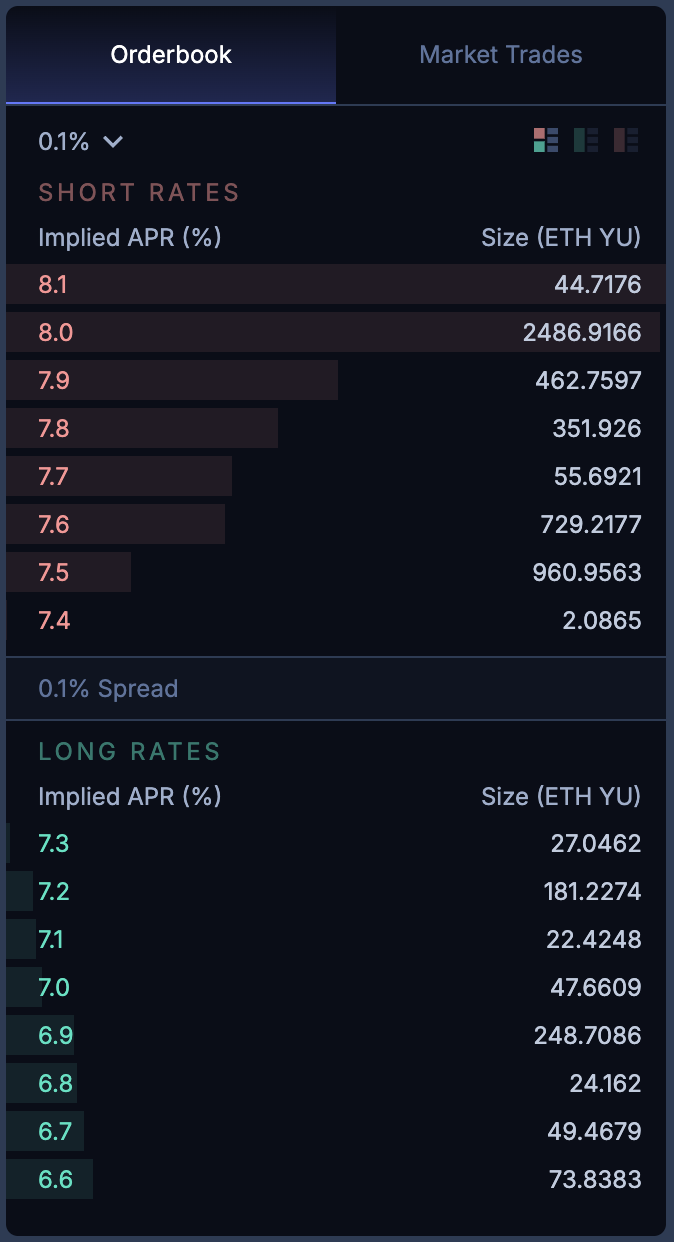
Pendle Boros runs on an on-chain orderbook, which looks similar to what you’d see on an exchange but with one twist: everything is quoted in APR instead of price.
You can place a:
• Market order if you want to enter immediately at the best available rate.
• Limit order if you prefer to wait for your chosen APR.
To avoid sudden spikes from unfairly liquidating traders, Boros relies on a mark implied APR, which is a smoother average of recent rates.
This number is used to track unrealized profit, loss, and liquidation checks, keeping the trading environment more stable.
Put together, these mechanics show how Boros turns funding into a market of its own. Now that the groundwork is clear, the next step is to walk through trading on Boros step by step.
Trading on Boros: Step-by-step guide
Getting started with Boros may look complex at first, but once you know the steps, the process is straightforward.
In this part of this Pendle guide, we’ll walk you through everything you need to do. Let’s begin with the basics you should set up before you start trading.
Before you start
- Get a wallet like MetaMask or one of its alternatives. Install the extension or app, create a wallet, and back up the seed phrase offline (never share it.).
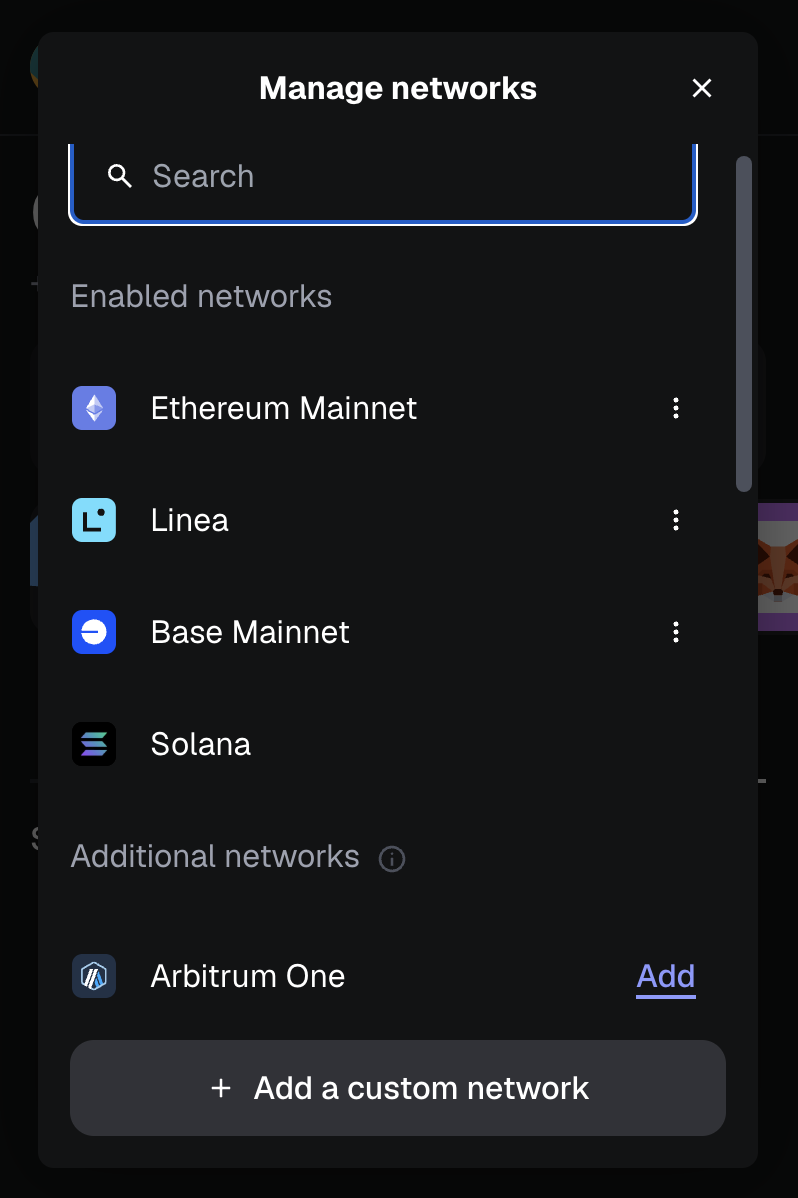
- Add the Arbitrum network to your wallet. If it isn’t there, add it from the official Arbitrum documentation or a trusted network list.
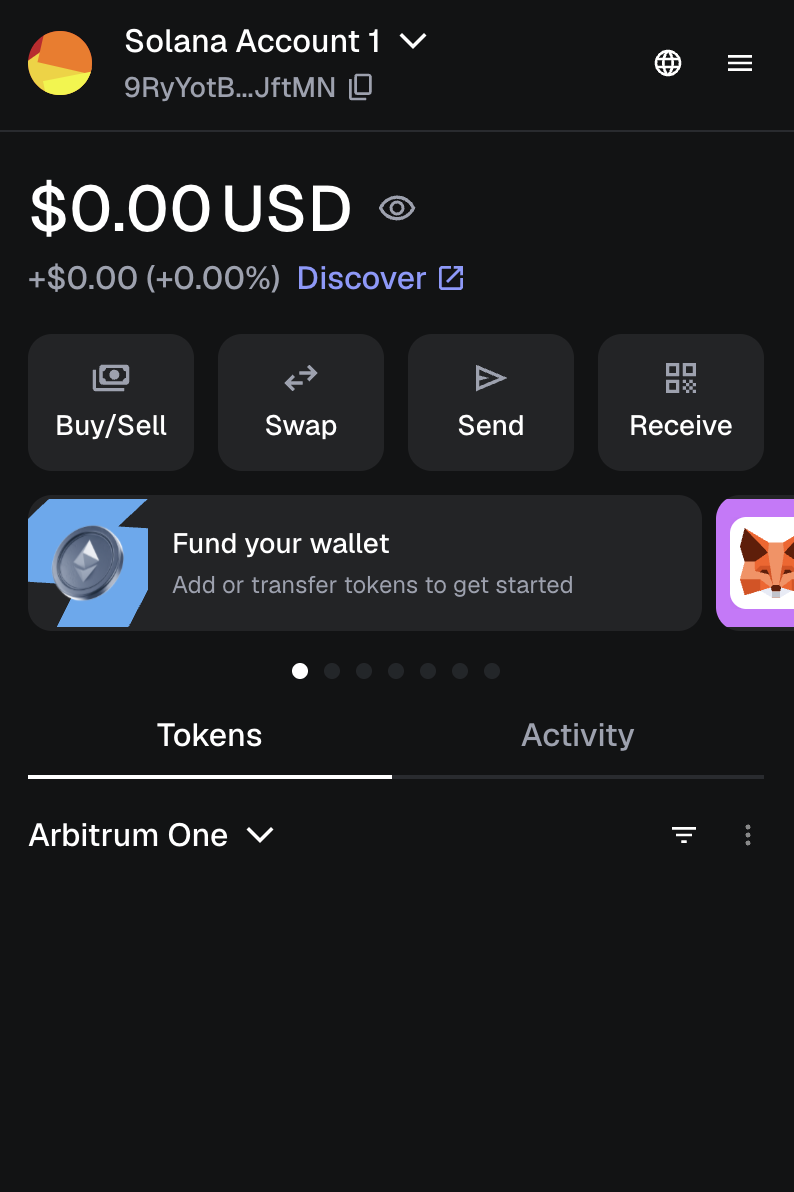
- Fund your wallet with ETH. To pay for the costs of the transactions (gas), you need a small amount of Ethereum (ETH). The process of buying Ethereum is straightforward. First, you have to choose one of the best Ethereum exchanges, create a verified account, and make the purchase.
If you plan to trade BTC funding markets on Boros, you will also need Wrapped Bitcoin (WBTC) on Arbitrum. Many exchanges let you buy WBTC directly, or you can bridge it from the Ethereum mainnet using the official Arbitrum bridge.
- Withdraw the funds to your wallet using the official Arbitrum bridge, making sure you select the Arbitrum One network.
| Security tips: Bookmark the official Boros app URL, avoid links from chats, and do a tiny test transaction first. |
Step 1: Open the Boros app
Start by visiting the official Boros app in your browser. When the page loads, click Connect wallet and approve the prompt in MetaMask (or whichever wallet you use).
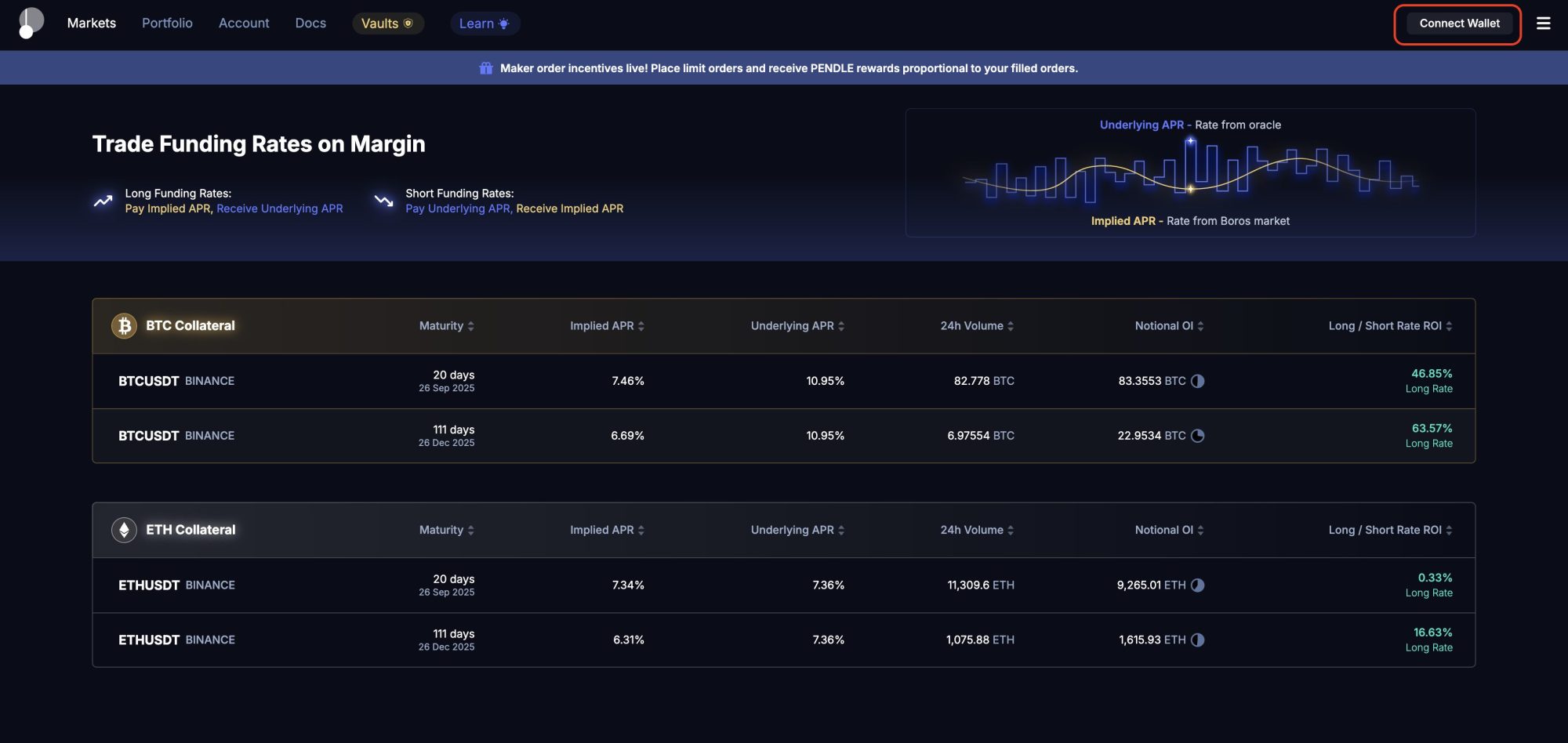
If your wallet is on the wrong network, the app will ask you to switch to Arbitrum One. Just confirm this step to continue.
Once connected, you’ll see your wallet address appear at the top of the page along with your ETH balance. This confirms that Boros recognizes your account and that you’re ready to explore the markets.
Step 2: Select a market
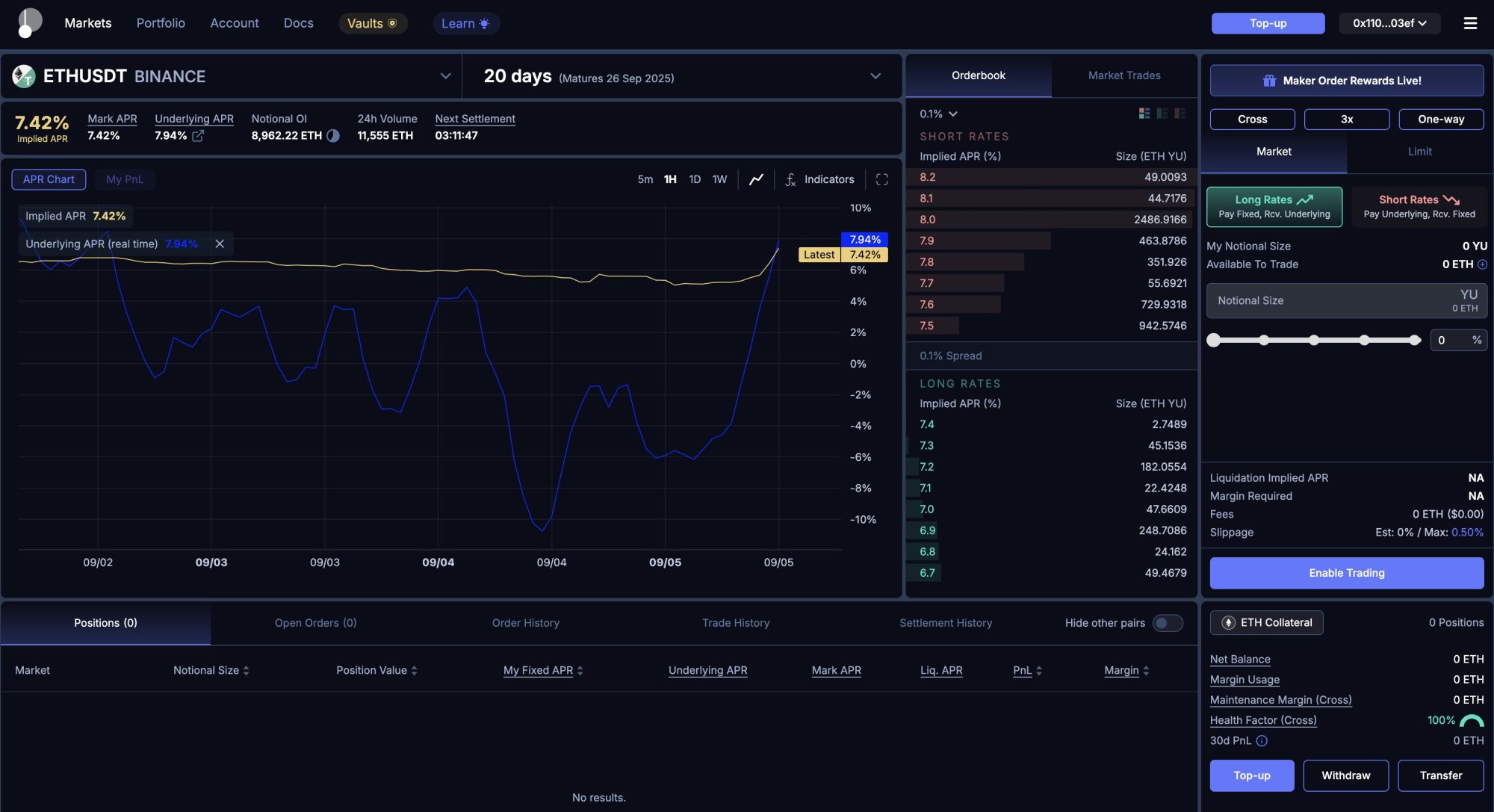
After your wallet is connected, the first screen you’ll see is the Markets list. Each option, such as BTCUSDT (Binance) or ETHUSDT (Binance), represents the funding rates of perpetual contracts from that exchange.
Choosing a market means deciding which funding stream you want to trade. If you pick BTCUSDT, you’ll be trading the funding linked to Bitcoin contracts. If you pick ETHUSDT, you’ll be trading the funding linked to Ethereum contracts.
Click your choice, and Boros will take you to a trading ticket where you set up the details of your position.
Step 3: Choose a maturity
On the trade ticket, you’ll notice a dropdown for ‘Maturity’. This simply sets how long your Yield Unit (YU) will stay active before it expires.
For example, choosing a 7-day maturity means your YU will settle funding payments over the next week. After that, it ends automatically and stops generating any funding. A 30-day maturity would keep your position running longer, with more settlement periods.
In practice, shorter maturities expose you to less change but also less opportunity, while longer ones give more room for potential gains (and risks).
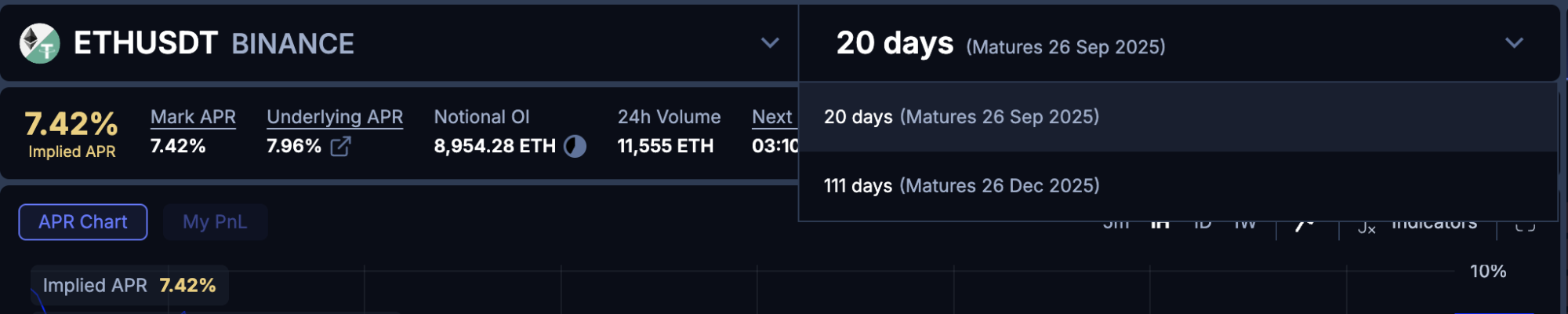
Pick the timeframe that matches your comfort level, then move on to funding your position.
Step 4: Deposit collateral
Before you can open a position, you need to deposit funds into Boros as collateral. This backs your trade and covers any profits or losses during settlements.
Click Deposit on the trade ticket. You’ll see that each market requires collateral in its own base asset. For example, BTC markets require WBTC, and ETH markets require ETH.
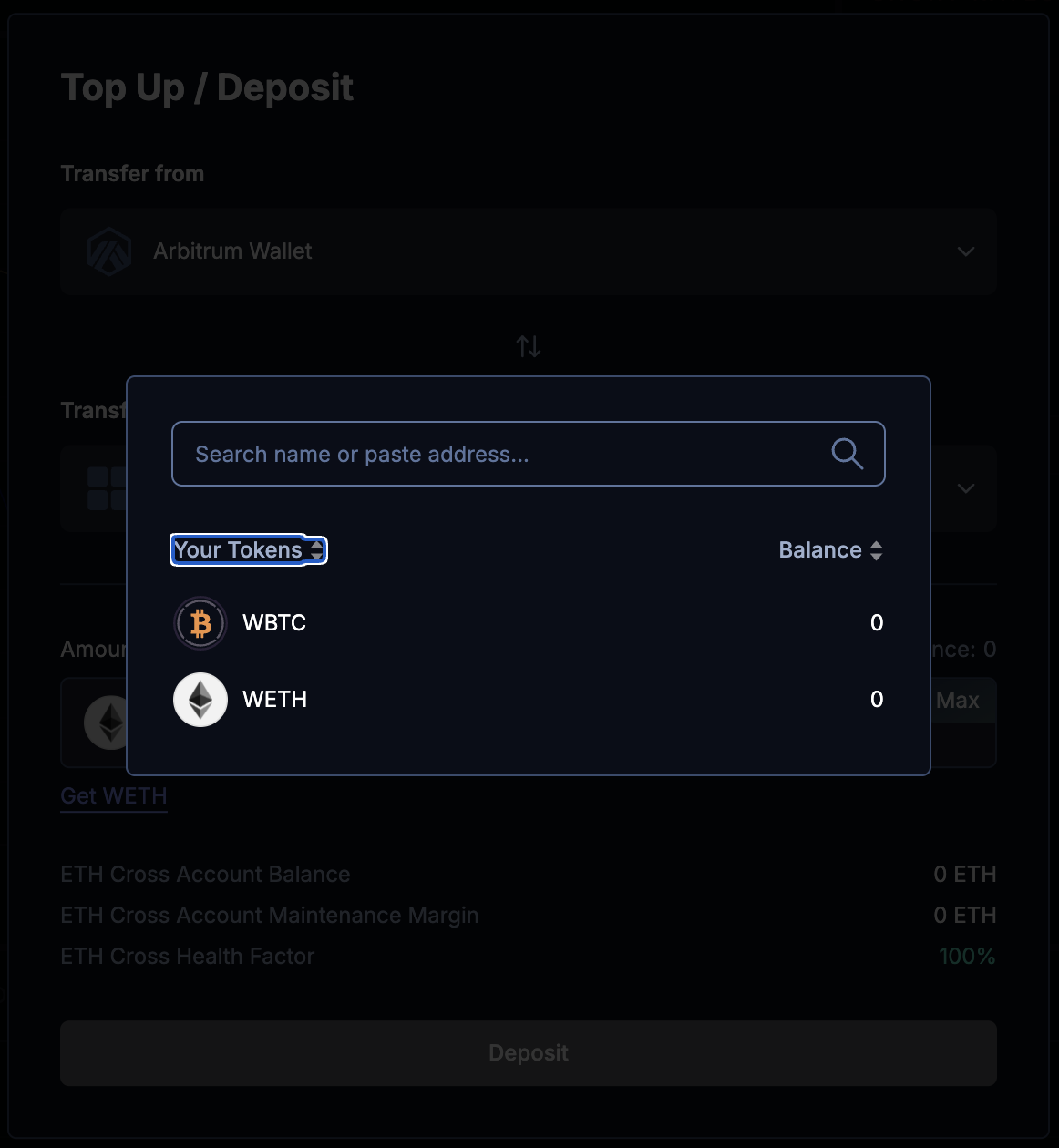
The first time you do this, you’ll complete two quick actions:
- Approve the token in your wallet so Boros can interact with it.
- Confirm the deposit amount you want to use as collateral.
After a few seconds, your balance will update on the ticket. From now on, Boros will use this collateral to settle funding differences and manage your margin.
Step 5: Decide your position
Now comes the key decision: going Long YU or Short YU.
- Long YU means you agree to pay the fixed rate (Implied APR) and receive the actual funding (Underlying APR). You profit if the real funding ends up higher than what you locked in. This is also useful if you hold long futures elsewhere and want to offset the funding you’re paying.
- Short YU means you receive the fixed rate and pay the actual funding. You profit if the real funding ends up lower than the rate you locked in. This works well if you hold short futures elsewhere and want to make your funding income more predictable.
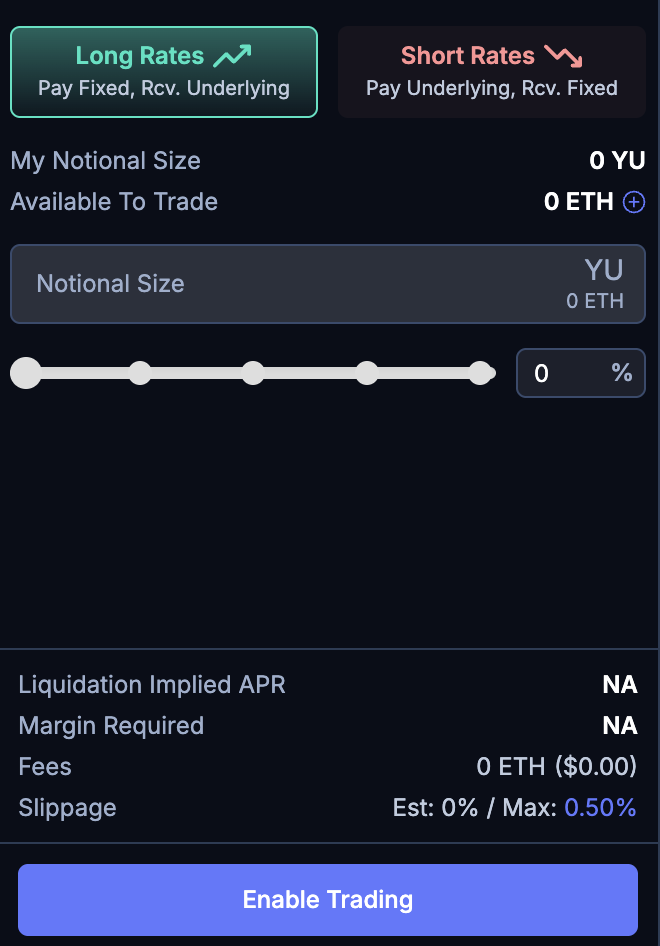
Think of it as a choice between betting that funding will be stronger or weaker than the market expects. Once you pick your side, you’re ready to place the trade.
Step 6: Place your order
With your side chosen, the next step is placing the trade. Boros gives you two order types, just like a regular exchange:
- Market order: This executes right away at the best available rate. It’s simple and fast, but you take whatever the implied APR the market offers.
- Limit order: This lets you set the exact Implied APR you’re willing to trade at. Your order will sit in the on-chain orderbook until another trader matches it. If you’re patient, this approach can save you fees or give you a better entry.
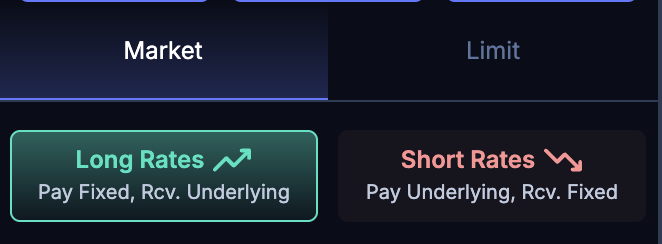
Once you select your order type, confirm the trade in your wallet. The transaction will be recorded on the Arbitrum blockchain, and your new position will appear in your portfolio tab.
Step 7: Set size and review risk
Before you hit confirm, always double-check your position size and how much collateral it requires. The ticket will show you:
- The notional size of your position (e.g., equivalent to 1 BTC funding).
- The Implied APR you’re locking in as your fixed rate.
- The amount of ETH gas you’ll pay to place the order.
This is also where risk management comes in. Boros uses margin to protect against swings: your collateral must always stay above the maintenance level, or your position can be liquidated.
Leaving a buffer of extra collateral reduces this liquidation risk and makes your trade safer.
Once you’re happy with the numbers, click confirm, and you’ll officially enter the funding markets on Boros.
Fees on Boros
Trading on Boros comes with costs. They are not hidden, but you need to know how they work because they can affect your profits.
Here are the main types of fees you’ll face.
Swap fees
When you open or close a position, Boros applies a swap fee. This fee is based on three things:
- The current Implied APR (the fixed rate you lock in)
- The size of your position in Yield Units (YUs)
- The time left until maturity.
The longer the position runs and the larger the notional size, the higher the fee. For example, opening a 10 YU position with 30 days to maturity will cost more in swap fees than a 5 YU position expiring in 7 days.
The fee is automatically deducted from your collateral asset, so you’ll see the adjustment in your balance immediately after confirming the trade.
Open interest fees
Every settlement period, Pendle Boros charges an open interest fee on the fixed APR side of the trade.
In simple terms, if you are the trader paying or receiving a fixed rate, a small percentage is deducted each time funding settles while your position remains open.
This makes it an ongoing cost. For example, if you hold a long YU for a month, you’ll pay this fee for every 8-hour settlement (on Binance-based markets).
It might look small each time, but it compounds across multiple settlements. Always check that your expected gains from funding are higher than these costs.
Flat fee
Boros also applies a flat fee. This is not tied to position size. It usually shows up on your very first transaction and sometimes at later intervals.
The flat fee is small and covers operational costs of keeping everything running on-chain. It’s not there to erode your returns.
Unlike some platforms where fees disappear, Boros recycles them back into the Pendle ecosystem. Through Pendle incentives, vePENDLE holders and market makers receive part of the revenue.
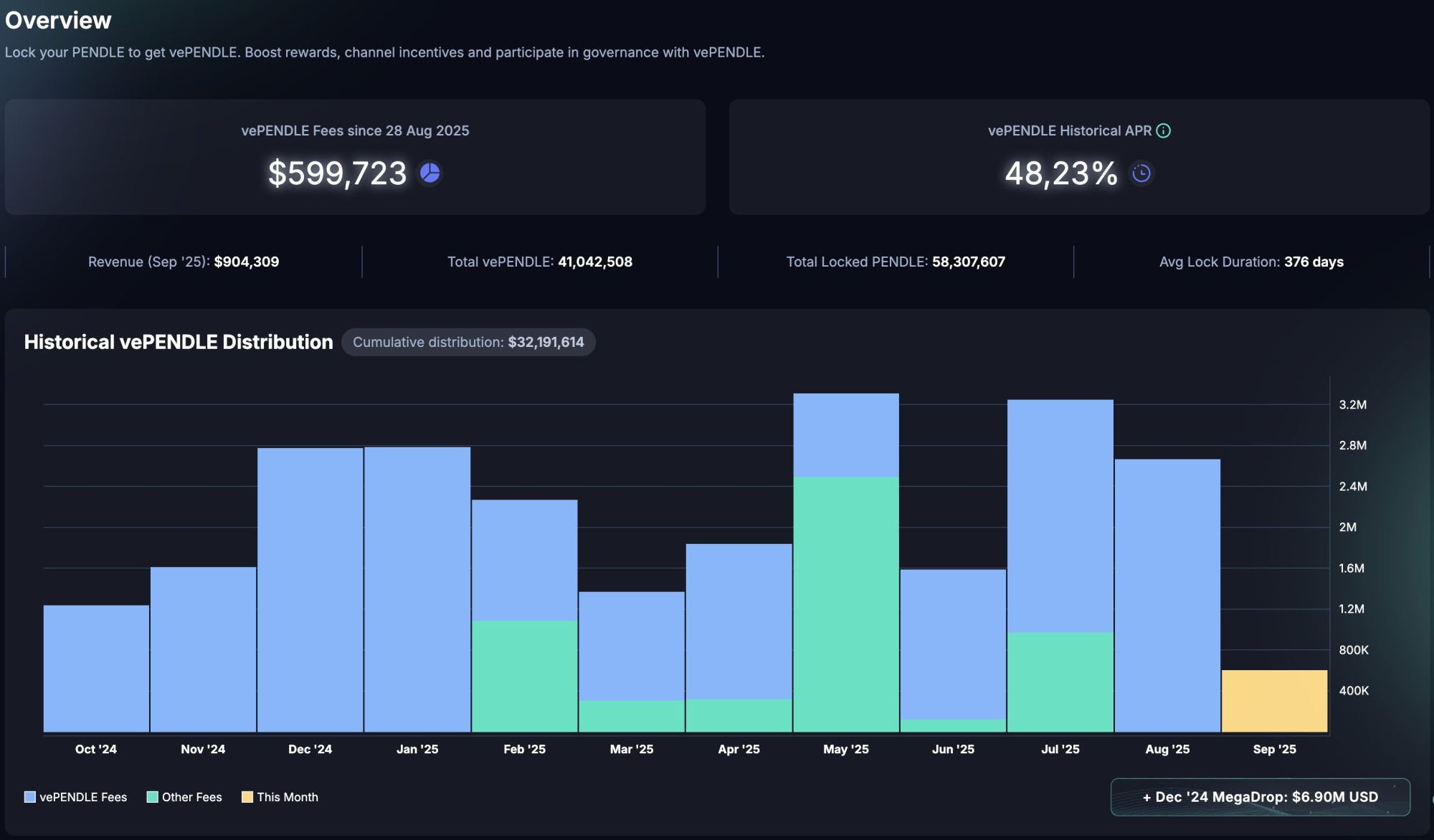
This setup keeps rewards aligned with long-term participants and encourages more makers to post liquidity. Over time, the fees you pay today help improve the market you’ll trade in tomorrow.
Risks of trading funding rates on Boros
Like all trading platforms, Boros carries risks. The key is to understand them so you can plan ahead and avoid costly mistakes.
Funding rates can swing sharply
Funding rates are not stable. They rise and fall as yield fluctuates with market demand.
In bull markets, funding often spikes because more traders are long than short. That benefits a long YU but hurts a short YU position. In bearish or quiet markets, funding can collapse, reversing the outcome.
You can hedge funding rates to reduce uncertainty rather than speculate. For example, if you are long perps on an exchange and paying funding, opening a long YU on Boros can lock in that cost at a predictable level.
Unrealized losses from market repricing
Boros takes into account the upcoming settlement and tracks unrealized gains and losses through the current implied APR.
This means your collateral balance can decrease even if the upcoming funding settlement would have been in your favor. It happens because the market is always repricing expectations.
If the Implied APR moves against you, your margin ratio drops. If it drops too far, your position can be liquidated early.
To avoid this, always leave extra collateral as a buffer.
Liquidation due to high leverage
Boros allows the use of leverage, which magnifies gains and losses. Small changes in rates can have a big effect on your PnL. Your trade may be liquidated automatically if your collateral falls close to the maintenance margin.
Protect your capital by sizing conservatively. Avoid max leverage, and always assume the market can move further than you expect.
Time decay as maturity approaches
Yield Units are tied to a fixed funding period. As maturity approaches, each YU steadily loses value since part of the funding stream has already been settled. By the maturity date, the YU is worth zero because all funding has been realized.
This time decay means you need to manage positions actively. Many traders roll into a new YU before expiry to avoid thin books and spikes in volatility that sometimes appear near the end.
Limited liquidity and open interest caps
Every Boros market has an open interest cap, which sets a maximum on how much can be traded at once.
When the cap is reached, new positions may be blocked until others close. Liquidity may also dry up near maturity or during times of volatility, making it difficult to trade at a fair price.
If you try to execute a large order through a thin book, you may get a worse price than expected.
A safer way is to enter and exit in smaller steps, spreading your trades and lowering the chance of slippage.
Impermanent loss in liquidity provision
Boros vaults let users provide liquidity, but this comes with impermanent loss. Vaults often lean toward holding long YUs, so if implied rates fall, the value of those YUs also drops. That means your share of the returns may shrink, even if you still earn fees.
Liquidity provision can be useful, but it is not risk-free. It’s better suited for users who understand how funding rates move and are comfortable with rate exposure.
Confusing YUs with bonds
At first glance, Yield Units may look like bonds, since both involve returns over time. But YUs are different: they do not pay back principal at maturity. Instead, they track funding flows, and once the period ends, the YU goes to zero.
Think of YUs more like interest rate swaps than fixed-income products. Core Pendle uses the Pendle AMM (Automated Market Maker) for its tokens, while Boros uses an orderbook.
Both open new ways to trade yield, but they work in very different ways.
Conclusion
Pendle Finance’s Boros brings a new dimension to trading by making funding rates something you can trade directly on the blockchain. The idea is straightforward: match your Implied APR against the Underlying APR, follow the settlement rhythm, and keep track of maturity.
It can be used to cover financing costs, set a more predictable cost, or form an opinion on the evolution of financing.
The key is to consider fees and risk, leave yourself a safety margin, and gradually increase or reduce your investment rather than forcing large-scale operations.
Starting small with the right collateral is the best way to feel comfortable. From there, Boros can become a practical tool for turning interest rate movements into a real investment strategy.
FAQs
When did Boros launch, and which assets did it support first?
Does Boros allow leverage, and how high can it go?
What are Boros Vaults, and how do liquidity providers benefit?
How is risk managed on Boros?
Can Boros be used for arbitrage?
Will Boros expand beyond BTC and ETH?
How is Boros similar to or different from traditional swaps?
Boros packages funding into Yield Units using two components: the fixed Implied APR and the floating Underlying APR. This is similar to interest rate swaps in traditional finance, but it’s fully on-chain, transparent, and designed for capital efficiency in DeFi.
References
- Boros Overview | Pendle | 2025
- Pendle Lets Crypto Traders Bet on Bitcoin, Ether Funding Rates With Boros Platform | Coindesk | 2025
- Fundamentals of Perpetual Futures | Songrun He, Asaf Manela, Omri Ross, Victor von Wachter via SSRN | 2023
- ETH bridging | Arbitrum | 2025
- Introduction to Binance Futures Funding Rates | Binance | 2025