


You bought Bitcoin, saw its value spike, and now you want to enjoy the gains. One of the best ways to do this is to convert your BTC into cash because not all retailers accept payment in Bitcoin.
In this guide, we will discuss all ways to cash out Bitcoin, along with their pros and cons, to help you choose the best option for you.
- Show Full Guide
How to withdraw Bitcoin – Quick overview
Before we give a detailed analysis of all ways to cash out Bitcoin, here is a quick overview of each:
- Sell Bitcoin through a crypto wallet: The easiest and quickest way to sell Bitcoin is directly through your crypto wallet app.
- Sell Bitcoin through a centralized exchange: You can use a centralized exchange (CEX) to easily trade your Bitcoin for other cryptocurrencies or fiat currency.
- Sell Bitcoin through a p2p exchange: You can also use a peer-to-peer marketplace to sell Bitcoin directly to another user in exchange for cash or bank payment.
- Use a Bitcoin ATM: Similar to traditional currencies, there are Bitcoin ATMs, which offer a quick and straightforward way to convert Bitcoin to fiat currency.
How to cash out Bitcoin – A closer look
Now that you have an idea of how to withdraw Bitcoin, let’s have in-depth look at each of the above ways.
1. Sell Bitcoin through a crypto wallet
Wallets work like bank accounts, storing and managing Bitcoin. Some wallets also let you sell your holdings for fiat currency directly in the app or through an integrated partner, depending on your location. Selling Bitcoin through a crypto wallet is easy and quick.
All you need to do is open your wallet app and transfer Bitcoin into the wallet (if the wallet doesn’t already have your Bitcoin). After this, you need to select the ‘sell’ option and enter the Bitcoin amount you want to sell. Lastly, confirm the transaction and the amount will be transferred to your linked bank account.
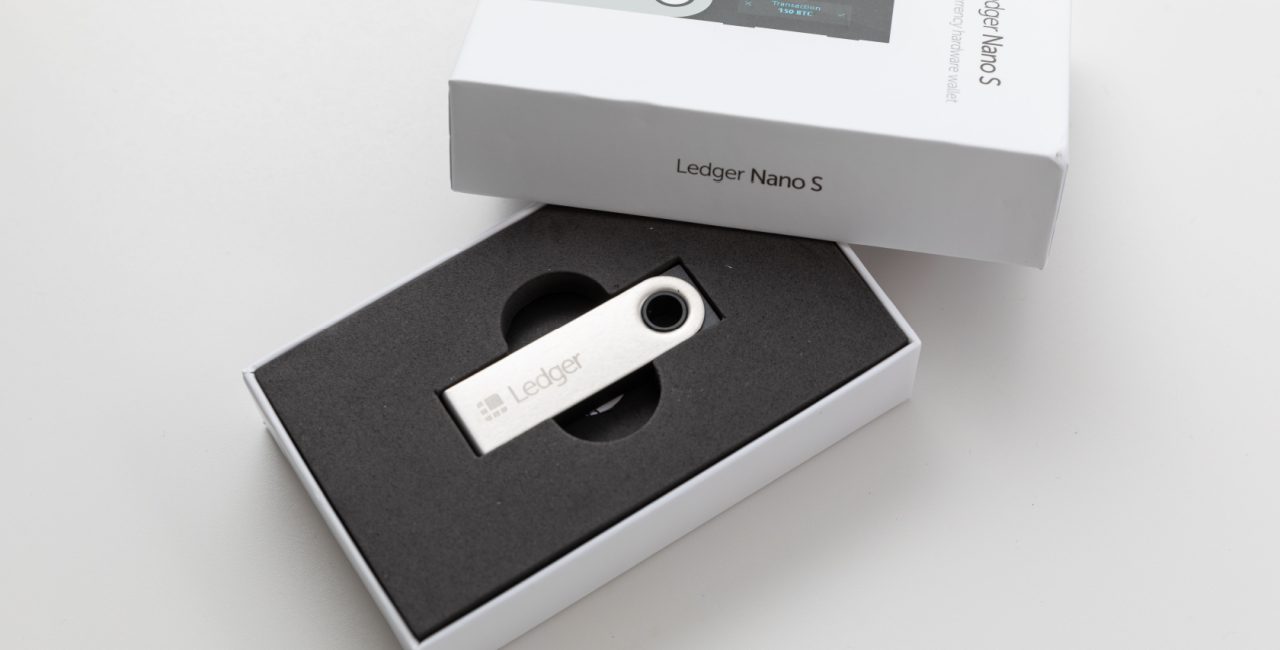
If you don’t already have a wallet app, you can choose from several, such as Coinbase Wallet, BitPay Wallet, Ledger Live, or Trust Wallet, all of which offer reliable options for U.S. users. These wallet apps offer transparent transaction fees, flexible selling limits, competitive rates for Bitcoin transfers, and high security.
If you’re new to self-custody, check our guide on crypto wallets for beginners to understand key features and risks.
Pros
- User-friendly and convenient.
- Flexible limits allow users to withdraw from a few hundred to thousands of dollars.
- Full control over funds.
Cons:
- Self-custody wallets avoid exchange risks but depend on your device security.
- Lack of advanced trading features.
2. Sell Bitcoin through a centralized exchange
Selling Bitcoin through a centralized exchange (CEX) is an easy option if you are already using the services of a CEX and your crypto holdings are in the custodial wallet. A CEX basically allows users to trade Bitcoin for other best Bitcoin alternatives to buy or fiat currency.
Selling Bitcoin through a CEX is simple. All you need to do is set up an account with a good CEX, such as MEXC, OKX, Kraken, or Coinbase. Then, select the Bitcoin amount you want to sell, confirm the rate, and choose your payout method such as ACH, instant transfer, or wire, which can take from a few minutes to a few business days to reach your bank – and that’s it!
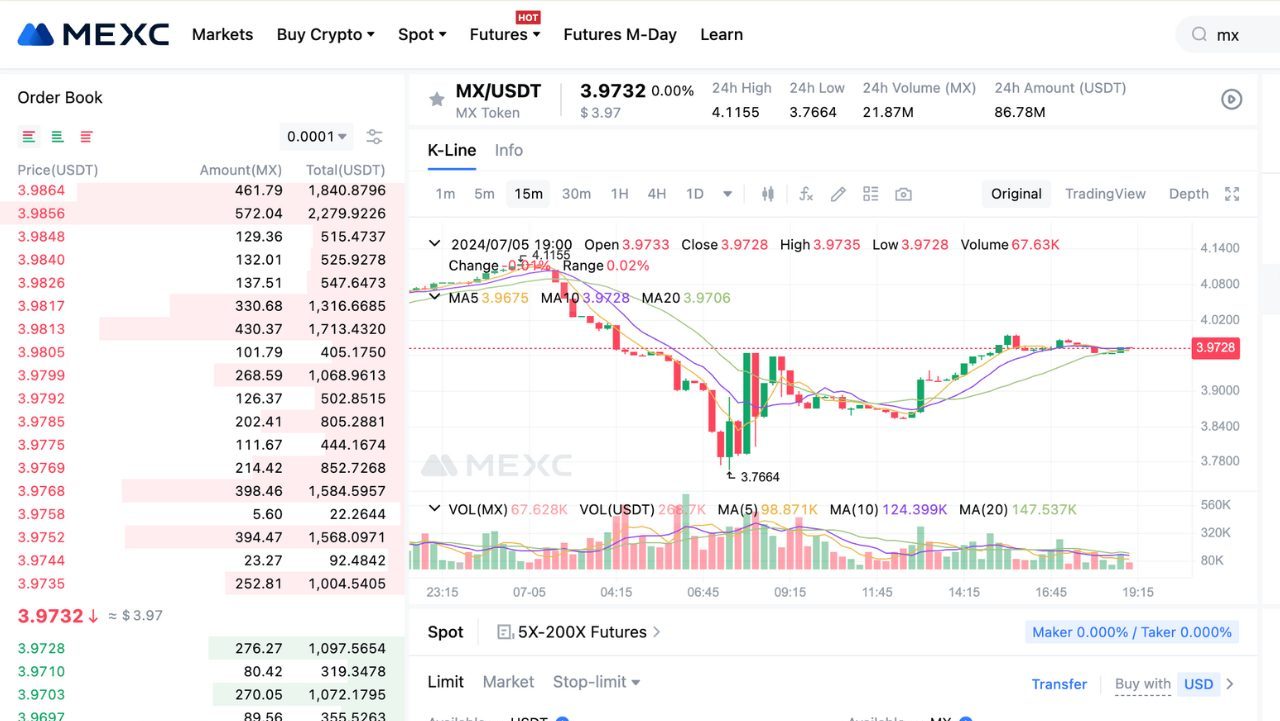
Before selecting a CEX, you must know about its transaction fees. Usually, an exchange charges a crypto transaction fee, as well as a service fee.
For example, on MEXC, the Bitcoin withdrawal fee is currently about 0.00035 BTC, and you always see the exact fee and minimum before confirming your withdrawal.
A good starting point is to compare among the best crypto exchanges to find the most favorable fees and services.
Pros
- Simple and quick.
- Availability of advanced trading tools.
- Many exchanges to choose from.
Cons:
- Users need to pay transaction fees and service fees.
- No control on private keys.
3. Sell Bitcoin through a decentralized exchange
A decentralized exchange (DEX) is a peer-to-peer (p2p) exchange in which transactions occur between two individuals. In a p2p exchange, buyers and sellers transact directly, unlike in a centralized exchange, where all transactions go through the exchange.
If you sell Bitcoin through a p2p exchange, you pay fewer fees than a CEX transaction. Also, you set the sell price, unlike in a CEX transaction where you sell on market rates.
Once you and the buyer agree to the sale terms, you need to transfer Bitcoin directly from your wallet to the buyer’s wallet. After both sides agree on terms, you receive payment through the chosen method such as bank transfer, Zelle, or another supported service.
Pros
- Fewer fees.
- More control over sale terms.
- Flexible payment methods
Cons:
- High counterparty risk.
- It may take more time to sell than through a CEX due to less liquidity in p2p exchanges.
4. Use a Bitcoin ATM
Similar to usual ATMs, we now have Bitcoin ATMs in many cities around the globe. They are a quick way to sell Bitcoin for cash, especially if you don’t have a bank account.
When selling Bitcoin, the crypto ATM first creates an invoice detailing the rate. After agreeing to the rate, the Bitcoin ATM provides you with a QR code to send your Bitcoin. Once the Bitcoin transfer is confirmed on the network, which can take several minutes or longer depending on conditions, the machine releases your cash. Typical ATM fees range from about 6 percent to over 20 percent depending on the operator. You can also buy Bitcoin using an ATM.
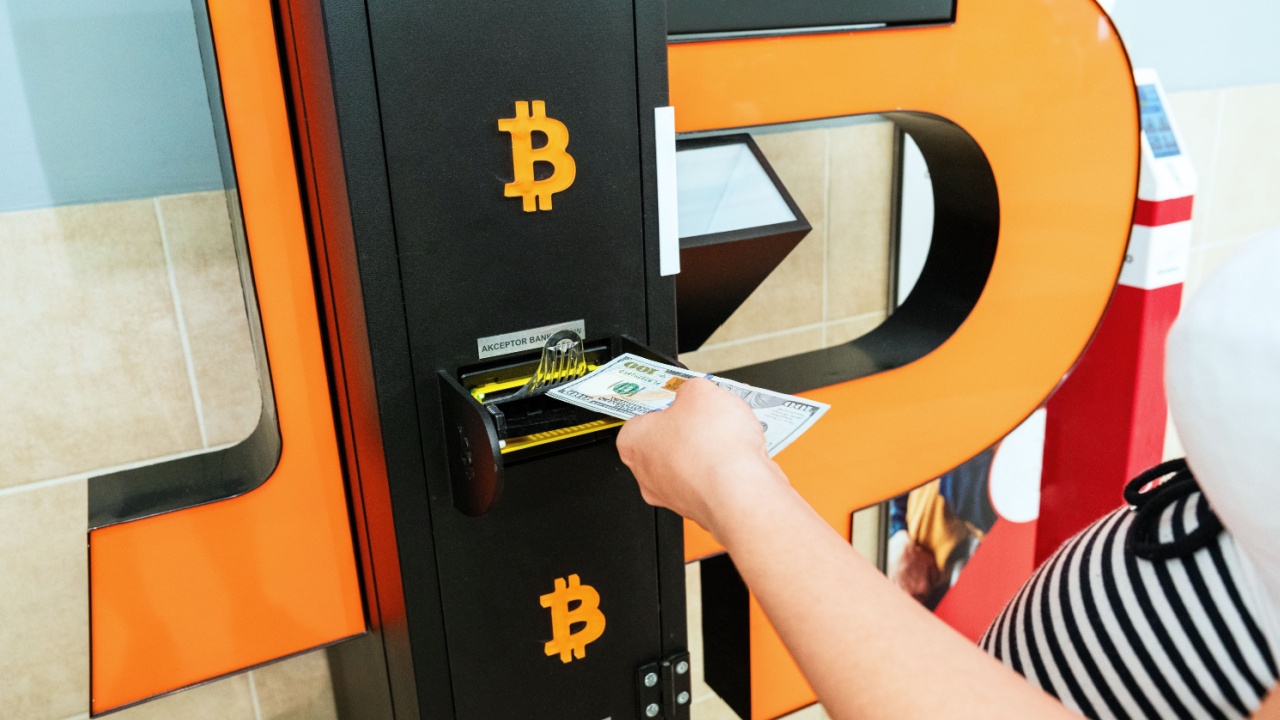
Though Bitcoin ATM is a quick and easy way to receive cash, their fees could be very high compared to other ways to cash out Bitcoin. And, if you are in a rural area, finding a Bitcoin ATM could be a challenge. Several Bitcoin ATM locators are available online that can help you find a Bitcoin ATM near you.
Pros
- Quick, easy and convenient way to sell Bitcoin.
- No need for a bank account.
Cons:
- High transaction fees.
- Finding a Bitcoin ATM near you could be difficult.
What to consider when cashing out Bitcoin
Before you sell your Bitcoin, it helps to think through a few key details. The method you choose, the timing, and even where you live can affect how much money you actually receive. Here are the main things to keep in mind before you cash out.
Fees and exchange rates
Every platform charges slightly different withdrawal fees and exchange spreads. Even a small difference can make a noticeable impact on larger amounts.
Always compare total fees between exchanges, wallets, or ATMs before confirming your sale to make sure you’re getting the best rate.
Withdrawal speed
How fast you get your money depends on the method you choose. Instant card withdrawals or cash from a Bitcoin ATM are the quickest, while ACH transfers through banks may take one to three business days.
Security
Only use reputable, regulated exchanges and wallet providers when selling Bitcoin. Look for platforms with strong security features and avoid sharing your wallet address or scanning QR codes from unknown sources.
Taxes
Selling Bitcoin for U.S. dollars counts as a taxable event. So the best thing to do is to keep records of your sale price, original purchase cost, and any fees you paid, since these will help you report capital gains or losses accurately.
Withdrawal limits
Many exchanges and wallets set daily or weekly withdrawal limits that depend on your verification level. Completing full KYC verification usually increases those limits and may unlock faster payout options.
Payment method
Decide where you want the funds to go, because each route has different speeds, fees, and requirements. Make sure your destination account name matches your exchange account to prevent delays or failed transfers.
Market timing
Bitcoin’s price can move quickly, even within a single day. Watching the market before you sell can help you capture a better rate and avoid cashing out during a short-term dip. Use limit orders or alerts if your platform offers them to sell at a target price.
What are the fees for withdrawing Bitcoin?
Before you cash out your Bitcoin, it’s worth knowing what the different withdrawal methods cost. Each option has its own fee structure, and understanding those small differences can help you keep more of your money.
While network (miner) fees change depending on blockchain traffic, most platforms also charge a fixed service or partner fee that stays fairly consistent.
Here’s what you can typically expect in 2025:
| Method | Typical Fees |
| Centralized exchanges | Around 0.1% to 0.6% service or trading fee, plus the variable Bitcoin network fee. |
| Wallet apps | Usually 0.2% to 1% partner or spread fee added to the network cost. |
| Bitcoin ATMs | The highest fees, often between 5% and 20% depending on the operator and location. |
| Peer-to-peer (P2P) | About 0.5% or less, often just a small escrow or platform fee. |
| Instant card withdrawals | Roughly 1% to 1.5% for instant debit card cash-outs. |
Pro tip: Always review the total cost before confirming your sale or transfer. Network fees may rise during busy periods, but service or partner fees usually stay within these ranges.
Taxes and BTC – Do I have to pay tax when I withdraw Bitcoin? (U.S. update 2025)
The short answer is ‘yes’, because if you sell or withdraw Bitcoin for dollars, it counts as a taxable event in the United States. Any profit you make is treated as a capital gain, which you need to report on your tax return using Form 8949 and Schedule D.
Starting with transactions made on or after January 1, 2025, most crypto brokers and exchanges will also send Form 1099-DA to both you and the IRS. This form shows the details of your digital asset sales, making it easier to track what you owe.
It’s a good idea to keep clear records of every trade or withdrawal, including the date, amount, and original purchase cost, so you can calculate your gains accurately at tax time. Tools from our guide about the best crypto tax software can help automate this process.
If you’re just transferring Bitcoin between your own wallets, don’t worry, as that kind of move isn’t taxable because you’re not actually selling or disposing of your crypto.
Methodology
This guide was put together by a panel of our cryptocurrency experts, who possess deep knowledge and experience in crypto. At least one member of our panel has direct experience withdrawing Bitcoin using each of the methods mentioned above.
We also conducted thorough research to ensure that all information and data is accurate and up-to-date.
Withdrawing Bitcoin FAQs
How do I cash out my Bitcoin?
Can I turn Bitcoin into cash on Cash App?
How to withdraw Bitcoin to a debit card?
How to transfer Bitcoin to PayPal?
Can I withdraw Bitcoin to my bank account?
Can you cash out Bitcoin to real money?
Can I convert Bitcoin to cash legally?
How long does Bitcoin withdrawal take?
What are the withdrawal fees on major exchanges?
Is withdrawing Bitcoin safe?
Can I withdraw Bitcoin to my debit card instantly?
What happens if my withdrawal fails?
What are the fees for withdrawing Bitcoin?
How do I transfer Bitcoin to another wallet?
References
- PayPal Users Can Now Transfer, Send, and Receive Bitcoin, Ethereum, Bitcoin Cash, and Litecoin | PayPal | 2022
- Coinbase pricing and fees disclosures | Coinbase | 2025
- Final regulations and related IRS guidance for reporting by brokers on sales and exchanges of digital assets | IRS | 2024
- The Controversial Business of Cash-to-Crypto Bitcoin ATMs | Federal Reserve Bank of Kansas City | 2023