



Metaverse tokens are redefining the digital landscape, proving that the virtual reality is far from dead despite ongoing rumors. With over 600 million active users globally and a market valuation exceeding $30 billion, this evolving space continues to attract significant attention.
Big tech giants have already ventured into the Metaverse, underscoring its long-term potential as a transformative technology.
For investors seeking to diversify and maximize their portfolios, this article highlights the best Metaverse coins to consider in 2024. These tokens represent innovation and opportunity in a space poised to reshape how we interact, work, and play in the digital age.
- Show Full Guide
Best Metaverse tokens to look out for
From fueling the immersive worlds of the Metaverse to revolutionizing traditional industries, these 10 metaverse tokens are positioned to make a notable splash.
- PEPENODE (PEPENODE): Gamified virtual mining token where players earn multi-coin rewards by building and upgrading digital server rooms.
- MemeClip (MCLIP): Meme-based gaming project, offering access to fun games, and exciting other developments.
- Tapzi (TAPZI): Gaming crypto focusing on competitive play through multiplayer games.
- LiquidChain Layer 3 (LIQUID): New blockchain that unifies Bitcoin, Solana, and Ethereum with deeper liquidity and fast transactions.
- ApeCoin (APE): Governance and utility token driving the Otherside metaverse, offering users exclusive features and rewards within a dynamic, evolving virtual world experience.
- The Sandbox (SAND): Decentralized virtual world where players design, build, and share interactive gaming experiences while participating in a robust economy based on NFTs.
- Decentraland (MANA): Virtual reality platform where users buy, develop, and monetize digital land, fostering creativity, gaming, and business opportunities in a blockchain ecosystem.
- Virtuals Protocol (VIRTUAL): Revolutionizing virtual interactions with AI-driven, co-owned gaming AIs in dynamic, interactive, and scalable Metaverse environments.
- My Neighbor Alice (ALICE): Multiplayer game combining NFTs, virtual land ownership, and DeFi, allowing players to create and trade assets in a whimsical universe.
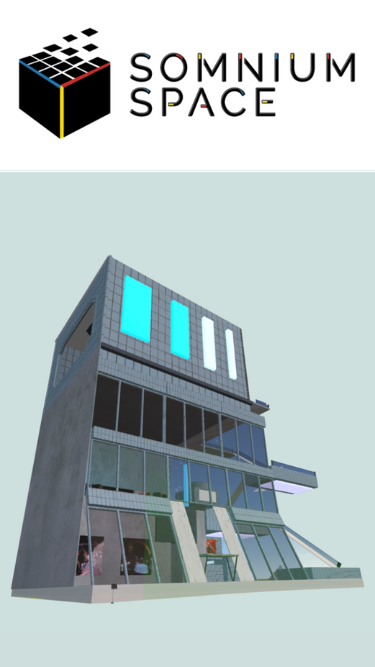
- Somnium Space (CUBE): Immersive VR metaverse enabling users to buy land, create avatars, host events, and monetize through blockchain-based economies.
What are Metaverse tokens?
As the metaverse evolves into a shared, immersive digital world, metaverse crypto coins serve as its economic backbone. These tokens are digital currencies used within virtual platforms to facilitate transactions, governance, and ownership.
Metaverse cryptocurrencies allow users to buy virtual land, clothing, or assets like weapons in gaming environments. They often power decentralized ecosystems, enabling users to vote on changes or upgrades within the metaverse.
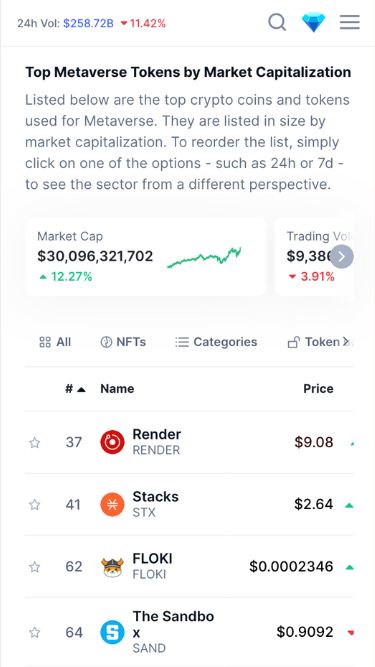
We’ll highlight some popular examples below and highlight how these coins bridge digital and physical economies, creating opportunities for investment, commerce, and innovation in the metaverse’s rapidly growing economy.
Exploring the best Metaverse crypto coins in 2025 (Review & Analysis)
This year, metaverse tokens fueling real-world applications are the focus of the spotlight. Join us as we dissect the top contenders, analyzing their projects, tokenomics, and potential to revolutionize industries.
1. PEPENODE: Competitive Mining in a Virtual Economy
Metaverse functionality:
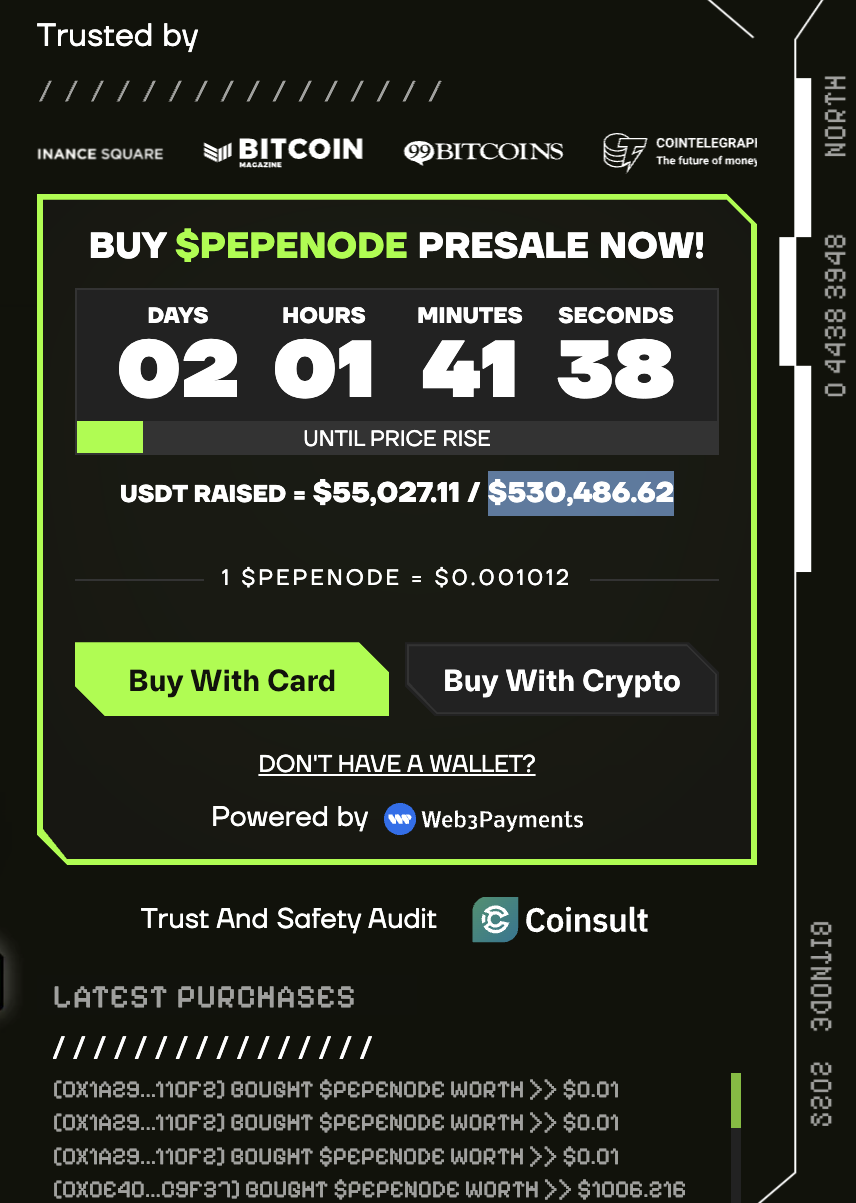
PEPENODE takes the idea of crypto mining and builds it into an interactive virtual space. Players create and customize digital server rooms, install different types of mining nodes, and experiment with combinations to boost efficiency. A global leaderboard drives competition, with top players earning rewards not just in $PEPENODE but also in other meme coins like PEPE and Fartcoin, plus a standing bonus for PEPE payouts.
Project overview
Built as an ERC-20 token on Ethereum, $PEPENODE powers every in-game action, from purchasing nodes to upgrading facilities. A deflationary system burns 70% of tokens used for upgrades, while referral incentives and early-adopter perks add further engagement hooks. Currently in presale with off-chain play, the project is set to move to a fully on-chain environment after its Token Generation Event in late 2025, positioning it as a metaverse token where game progress translates into tangible crypto rewards.
2. MemeClip (MCLIP): Meme gaming meets crypto rewards in a chaotic arcade world
Metaverse functionality:
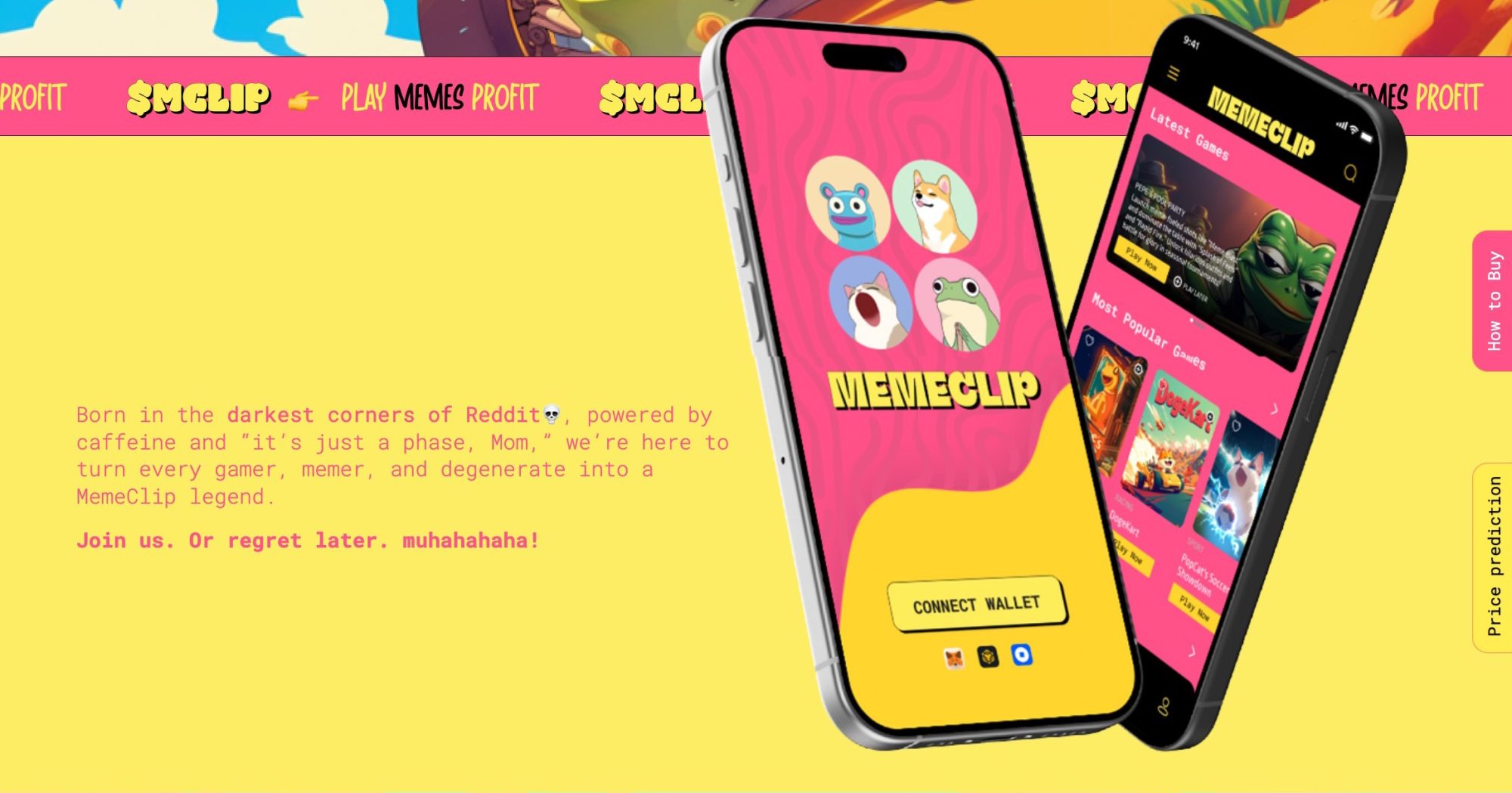
MemeClip is a Web3 gaming platform designed for players who enjoy fast-paced, meme-driven games mixed with real crypto rewards. Inspired by the old Miniclip era, it offers a range of mini-games where familiar internet icons take center stage.
Players can sprint through cityscapes chased by Grumpy Cat, line up pool shots with Pepe, compete in chaotic soccer matches with Doge and PopCat, or race across tracks like Moon Boulevard alongside Shiba and Pepe.
Each game comes with collectible items, tournaments, and power-ups, creating an experience focused on skill and humor rather than ads or pay-to-win mechanics. The focus is clear: create an ecosystem where players enjoy quick, fun sessions while earning $MCLIP tokens and unique in-game rewards.
Project overview:
MemeClip operates on the $MCLIP token, set at a total supply of 9 billion. The roadmap moves through several phases, including the current presale, upcoming listings on DEX and CEX platforms, the full release of its Web3 app, influencer collaborations, NFT drops, staking programs, and community events.
The presale is active now, giving early participants the chance to join before wider exchange availability. A security audit has been completed, offering additional confidence to new users.
What draws attention to MemeClip is its ability to turn meme culture into an interactive gaming experience with real rewards. With more mini-games and features in development, MemeClip aims to create its own corner in the crypto gaming space, looking like an exciting bet to players looking for entertainment with a playful, on-chain twist.
3. Tapzi: Gaming crypto focusing on competitive play through multiplayer games
Metaverse Functionality:
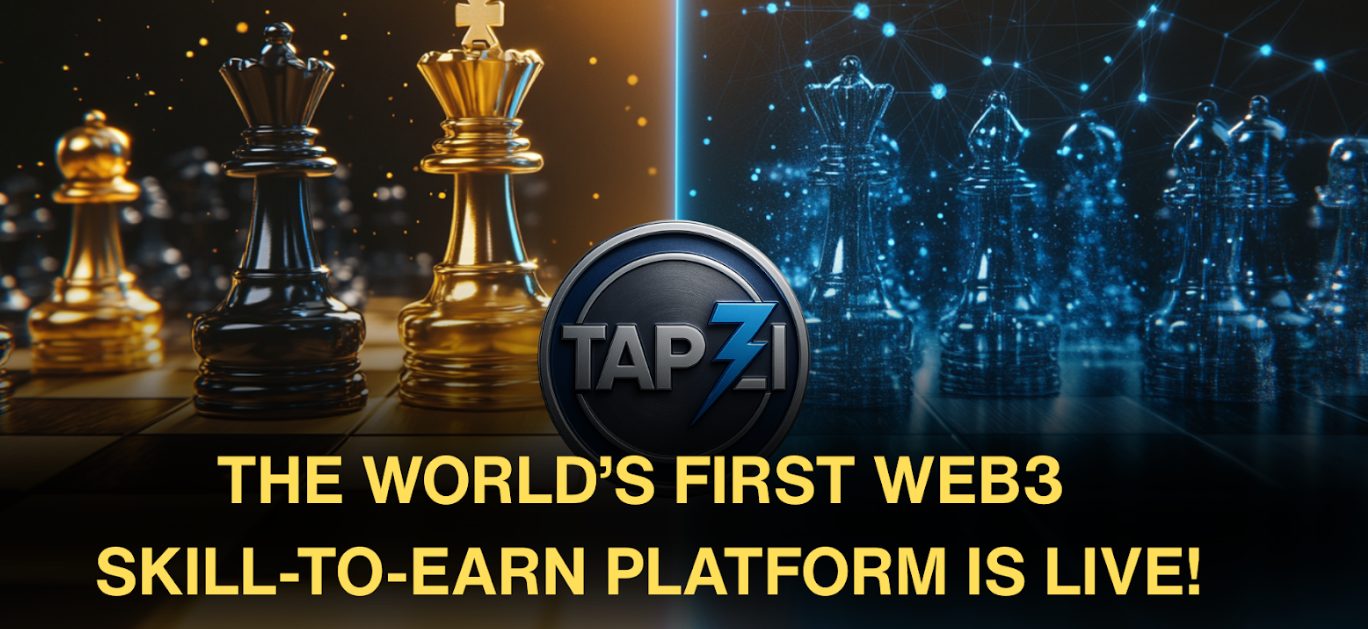
Traditional games may be simple, but when brought into a decentralized ecosystem, they unlock a whole new layer of utility and excitement. A classic like Chess, when placed on-chain, can turn into a true test of skill and strategy for rewards. Even Rock Paper Scissors, often dismissed as casual, becomes an intense mind game when real outcomes are tied to performance. Tapzi delivers exactly that.
While the official whitepaper doesn’t currently mention any metaverse integration, Tapzi lays a strong foundation for a digital ecosystem. As a decentralized project, it’s already offering the core building blocks (competition, utility, community, and reward) that could evolve into something far bigger in the future.
Project Overview:
Tapzi offers a web-based gaming platform where skill-focused games like Chess, Checkers, Rock Paper Scissors, Tic Tac Toe, and Sudoku are instantly accessible with no downloads. These games are familiar yet reimagined under a Web3 model, where gameplay is fast, competitive, and directly linked to crypto rewards.
Beyond gaming, Tapzi provides perks that build lasting user engagement. The platform hosts regular skill-based tournaments, offering prizes to those who prove themselves at the top of the leaderboard.
Currently in presale at $0.0035, Tapzi offers much more than just a discounted token. Early investors gain exclusive access to top-tier tournaments, special platform features, and priority entry into new updates. Once listed at $0.009, those who join now can also expect up to 157% profit.
4. LiquidChain Layer 3: New blockchain infrastrucutre that seamlessly connects Bitcoin, Solana, and Ethereum
Metaverse Functionality:
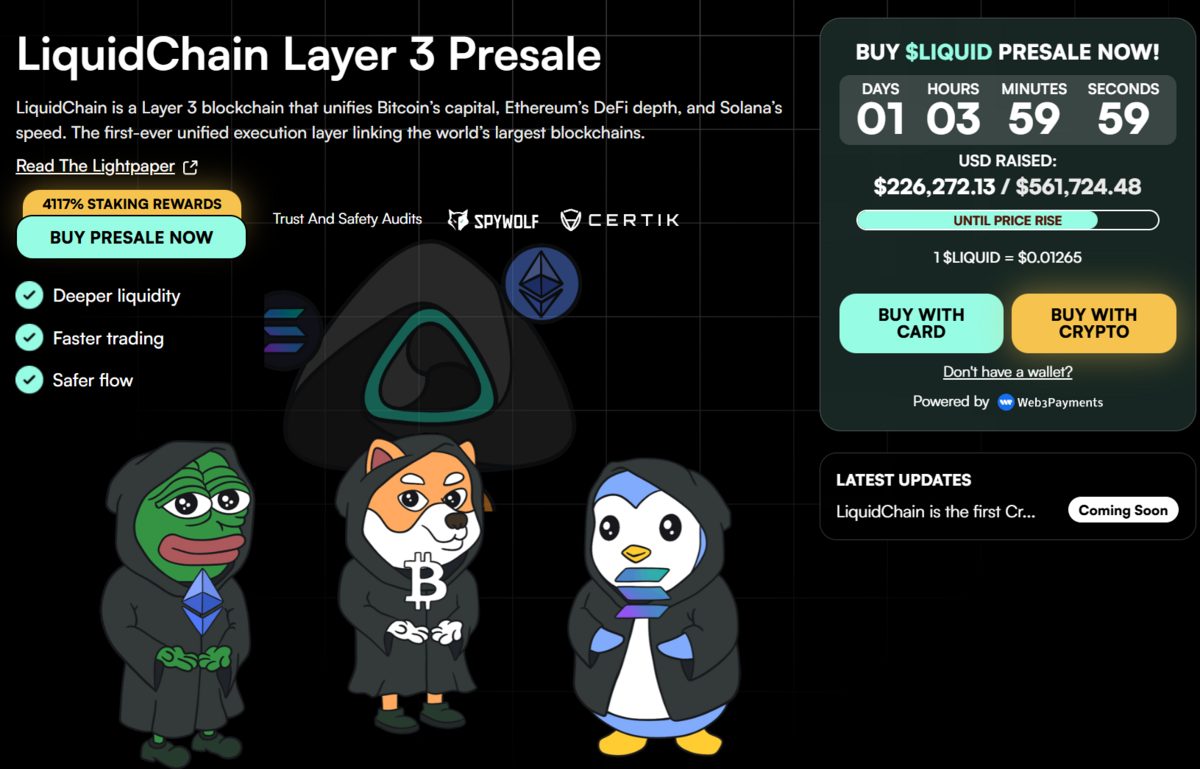
LiquidChain is a new Layer 3 blockchain that unifies Bitcoin, Ethereum, and Solana via its own execution layer to provide deeper liquidity and faster trading. Such a layer will enable meme coins and DeFi to be merged instead of fragmented, while also providing deeper pools and better swap prices.
From a metaverse perspective, this could be massive as a metaverse project built on Solana can tap Bitcoin’s and Ethereum’s liquidity and user base seamlessly. This is all achieved by using a high-performance VM that can execute complex applications across multiple chains.
Project Overview:
LiquidChain solves the fragmented liquidity issue by merging the top three blockchains. Aside from user benefits, founders and developers of various applications, memecoins, prediction markets, or Web3 games can deploy one and reach users across Bitcoin, Ethereum, and Solana simultaneously.
The project’s native token is LIQUID, which is currently available at a discounted price in its presale. Investors who buy the token now can stake it to earn a dynamic yield of over 4,000%. Similar to other presales that offer dynamic yields, these will drop as more tokens are staked, making it a potentially prudent option for early investors.
As a native token, LIQUID will be used to pay transaction fees, deploy apps, and stake to earn passive rewards once the presale ends. As the project grows, the demand for LIQUID could increase as well.
5. ApeCoin: Holders access virtual assets, events, and play-to-earn in Yuga Labs’ metaverse
Metaverse functionality:
ApeCoin (APE) is a cornerstone of the Otherside metaverse, an innovative virtual world created by Yuga Labs.
This metaverse offers users the chance to purchase and own virtual land called Otherdeeds, interact with evolving NFT landscapes, and use Yuga Labs NFTs such as Bored Ape Yacht Club as in-game characters.
The Otherside metaverse distinguishes itself with dynamic environments that change based on player interactions, setting it apart from competitors.
Project overview
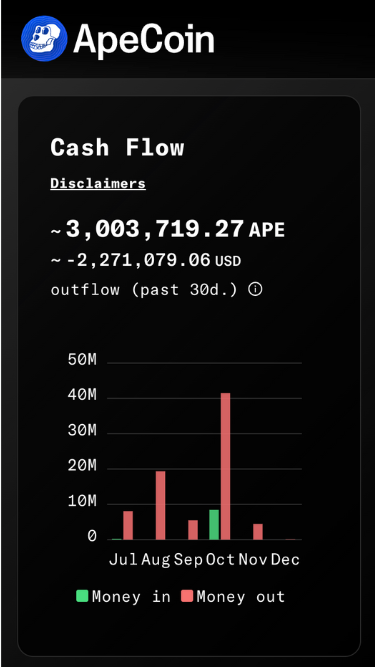
ApeCoin’s role as this ecosystem’s primary utility and governance token makes it indispensable for participants. The ApeCoin DAO is guided by influential board members, including Alexis Ohanian (Reddit co-founder) and Yat Siu (Animoca Brands chairman), ensuring strategic direction and innovation.
Outside its metaverse applications, ApeCoin is an ERC-20 token on the Ethereum blockchain with a market cap of $1.35 billion. Holders vote on proposals through ApeCoin DAO governance.
Additionally, ApeCoin supports payments for digital subscriptions and exclusive merchandise and incentivizes play-to-earn games like Benji Bananas. With nearly $1 billion in daily trading volume, ApeCoin’s combination of governance, utility, and cultural innovation positions it as a leader in the metaverse economy.
6. The Sandbox (SAND): Decentralized virtual world offering true ownership and gameplay rewards
Metaverse functionality:
The Sandbox (SAND) stands out as one of the most innovative metaverse platforms in 2024, earning its place on this list for its expansive virtual world and emphasis on user-generated content.
The Sandbox empowers users to build, customize, and monetize their digital creations by enabling players to own and trade assets as NFTs. Its “play-to-earn” model not only rewards creativity but also fosters a thriving ecosystem where players can host events, stake tokens, and participate in the platform’s governance.
Project overview:
Launched in 2011 by Pixowl, The Sandbox leverages blockchain to ensure true ownership of digital assets. The platform consists of three key components: Game Maker, VoxEdit, and its NFT Marketplace.
Game Maker allows users to design games without programming skills, while VoxEdit lets creators craft and monetize 3D voxel assets. The Marketplace facilitates trading these NFTs using the SAND token.
With a market cap of $1.98 billion and a price of $0.80 per token, The Sandbox’s ecosystem has captured the attention of major players like Atari and CryptoKitties. Its commitment to decentralization and creativity positions it as a leader in the metaverse sector.
7. Decentraland (MANA): 3D virtual reality platform and Metaverse built on Ethereum
Metaverse functionality:
Decentraland earns its place among the best Metaverse coins for its pioneering role in creating a decentralized virtual reality platform. Built on the Ethereum blockchain, Decentraland allows users to explore, build, and monetize virtual spaces, making it a cornerstone of the evolving Metaverse landscape.
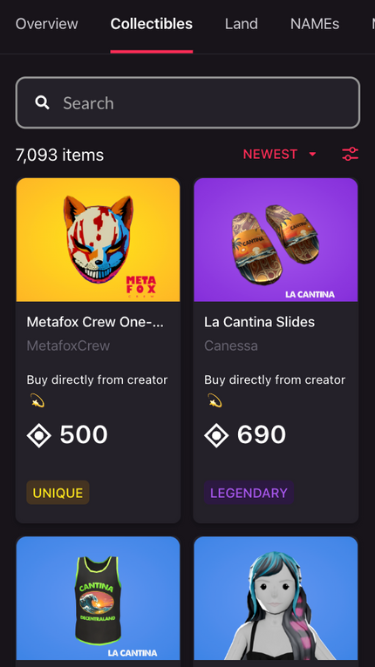
By combining interactive 3D experiences with blockchain technology, Decentraland has become a hub for creativity and commerce. Its Metaverse offers a unique ecosystem where users can own parcels of virtual land, represented as NFTs, and develop them into unique experiences.
Project overview:
Launched publicly in 2020 after raising $24 million in an ICO, Decentraland has become one of the most prominent Metaverse platforms.
The ecosystem uses two tokens: MANA, an ERC-20 token for transactions and governance, and LAND, an ERC-721 token representing virtual plots. With over 90,601 parcels of LAND available, users can customize spaces for gaming, events, or commercial ventures.
As of 2024, Decentraland’s market cap stands at $1.86 billion, reflecting its significant impact on the digital economy. Its active marketplace, vibrant community, and continuous innovation make Decentraland a top contender in the Metaverse sphere.
8. Virtuals Protocol (VIRTUAL): Create smart Metaverse characters with AI and blockchain
Metaverse functionality:
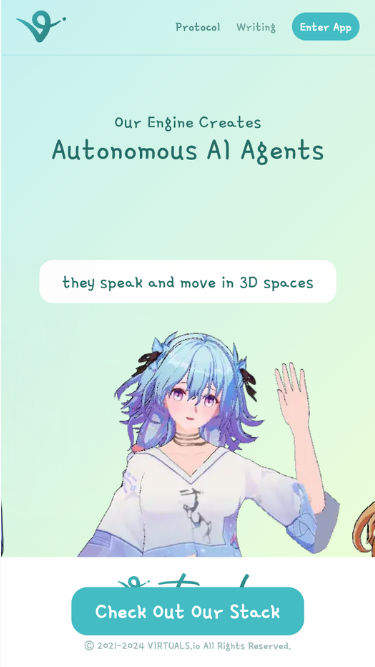
Virtuals Protocol (VIRTUAL) exemplifies how the Metaverse can leverage AI to revolutionize virtual interactions. At its core, the protocol aims to enhance user experiences by creating intelligent, human-curated AI personas within immersive virtual worlds.
By fostering seamless integration of AI within virtual environments, Virtuals Protocol serves as a foundational layer for the Metaverse’s next generation. Its focus on co-ownership and plug-and-play gaming AIs makes it a compelling choice for developers and enthusiasts exploring the Metaverse’s untapped potential.
Project overview:
Beyond its Metaverse contributions, Virtuals Protocol offers robust features and notable achievements. Listed on major exchanges like Bitget, BiKing, Hibt, and BitMart, VIRTUAL is increasingly accessible globally.
The protocol supports co-owned virtual assets, incentivizing collaboration and innovation. With a $16 million treasury and a soon-to-launch AI DApp, Virtuals Protocol demonstrates financial and technological strength.
Its IEEE Distributed Interactive Simulation Protocol provides a scalable foundation for AI and virtual interactions, ensuring versatility for gaming, data analytics, and generative AI applications.
9. My Neighbor Alice (ALICE): Multiplayer game combining NFTs, virtual land ownership, and DeFi
Metaverse functionality:
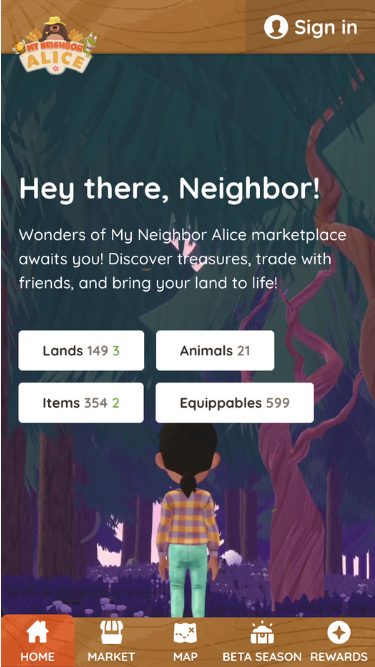
My Neighbor Alice seamlessly blends the Metaverse with blockchain gaming, making it a top pick for 2024. This multiplayer game offers users a fully interactive world where they can socialize, create, and trade virtual assets.
The game’s open-world design and customizable islands contribute to its strong Metaverse appeal, offering players endless possibilities to build unique virtual environments.
Its decentralized economy, powered by NFTs and the ALICE token, aligns with the growing demand for digital ownership, further enhancing its place in the Metaverse ecosystem.
Project overview:
At its core, My Neighbor Alice is a blockchain-based game reminiscent of FarmVille and Animal Crossing. Launched by Antler Interactive, it allows players to purchase virtual land represented as NFTs and build their ideal worlds.
The scarcity of land and the rarity of assets drive their value within the game. ALICE, the utility token, serves multiple purposes, including governance, staking, and transactions.
Players can also use a lending system for NFTs, earning yields on their assets. My Neighbor Alice stands out in the Metaverse by uniquely blending gaming and decentralized finance, appealing to both blockchain enthusiasts and casual gamers.
10. Somnium Space (CUBE): VR world combining blockchain, social interaction, and content creation
Metaverse functionality:
Somnium Space offers a fully immersive virtual reality metaverse that empowers users to buy land, create avatars, build objects, and monetize their experiences.
Accessible across PC, mobile devices, and VR headsets like Oculus Quest, Somnium Space creates an environment for creativity, commerce, and social interaction.
Users can host events, explore digital worlds, and trade assets, providing limitless opportunities for innovation and engagement. These versatile features make it one of the best metaverse coins in 2024, attracting developers, gamers, and investors alike.
Project overview:
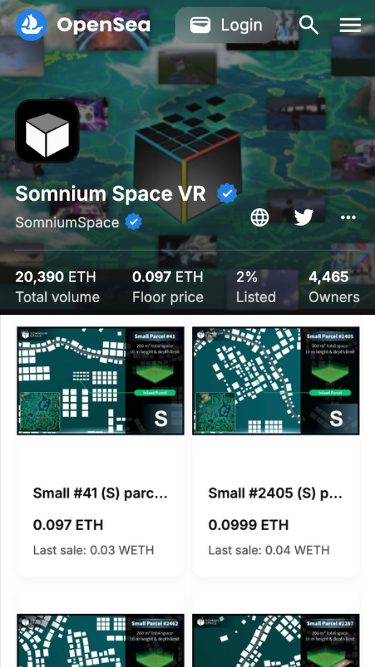
Founded in 2017 by Artur Sychov, Somnium Space merges blockchain and VR technologies into a seamless virtual ecosystem. Its CUBE token, an ERC-20 asset, underpins the in-game economy, enabling users to buy land parcels, items, avatars, and services.
With tools like the Somnium Builder, users can create unique 3D experiences or monetize their spaces through content creation, event hosting, and advertising.
The platform also integrates an NFT marketplace, where users can trade digital assets like land and avatars. It leverages Ethereum and Polygon for scalability.
Limited to 5,000 land parcels, scarcity enhances value, while partnerships with OpenSea and Gemini position Somnium Space as a pioneer in the metaverse and VR industries.
What is the Metaverse?
The metaverse is a digital, interconnected, and immersive virtual universe where people use avatars to represent themselves, interact with others, and explore virtual spaces.
Unlike the internet, which users browse, the metaverse allows them to virtually “live” within shared, persistent spaces, enabled by technologies like virtual reality (VR), augmented reality (AR), and digital currencies.

Originating from Neal Stephenson’s 1992 novel Snow Crash, the term “metaverse” describes a future internet where interaction occurs through VR in dynamic, interactive worlds.
Today, the metaverse attracts over 400 million active users globally, engaging in gaming, socializing, and shopping with digital currencies. This evolution builds on the internet, transforming online experiences into immersive, community-driven interactions that mirror aspects of the physical world.
Benefits of the Metaverse
Across industries, the metaverse redefines possibilities by combining digital advancements with practical solutions. Its impact spans from enhancing accessibility to fostering new ways of learning, collaborating, and thriving in virtual environments.
1. Global accessibility and inclusivity
The metaverse removes physical barriers, allowing individuals from across the globe to connect in real-time. This fosters inclusivity by democratizing access to events, education, and once-location-restricted opportunities.
For example, virtual job fairs and global conferences in the metaverse enable participants to engage without travel, leveling the playing field for individuals in remote areas.
2. Economic opportunities through digital commerce
The metaverse creates new avenues for entrepreneurship and innovation, such as selling virtual assets, NFTs, or digital real estate.
Businesses can set up virtual storefronts, and creators can monetize their content in immersive worlds. Platforms like Decentraland exemplify these opportunities, where virtual land is bought, sold, and developed into profitable ventures.

3. Immersive education and training
The metaverse offers dynamic, interactive learning environments where users can experience simulations and scenarios tailored to real-world applications.
Medical students can practice surgeries in VR, while corporate teams can train in risk-free virtual settings. This enhances retention and engagement, making education more effective and widely accessible.
4. Improved remote work and collaboration
Businesses leverage the metaverse for virtual offices, collaborative projects, and interactive meetings.
These immersive environments offer a more engaging alternative to traditional video calls, enhancing productivity and team connection.
Companies like Meta are already integrating VR workspaces to transform remote collaboration.
5. Revolutionizing entertainment and gaming
The metaverse offers unparalleled opportunities for interactive entertainment. From attending virtual concerts to exploring expansive gaming worlds, it blends real and digital experiences.
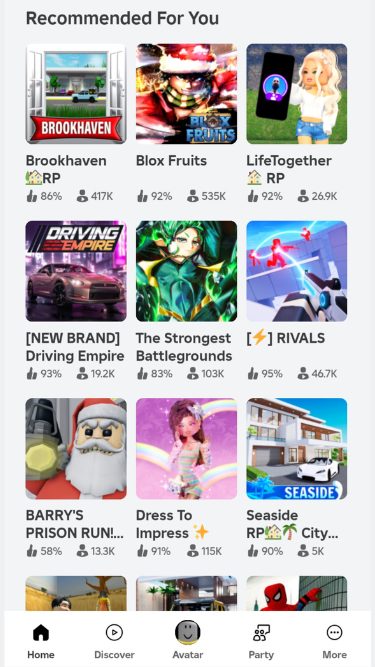
Games like Fortnite and platforms like Roblox illustrate how users engage socially and competitively, redefining entertainment and leisure.
6. Environmental sustainability
The metaverse contributes to sustainability efforts by reducing the need for travel and physical infrastructure.
Virtual meetings, conferences, and shopping experiences significantly lower carbon emissions and resource consumption. For instance, replacing in-person events with virtual ones can save thousands of metric tons of CO₂ emissions annually.
Real-world applications of the Metaverse
The metaverse is rapidly transforming industries with applications that bridge the gap between virtual and physical worlds. Gaming, the metaverse’s flagship industry, allows players to immerse themselves in lifelike environments, from battling in expansive virtual universes to competing in tournaments with friends globally.
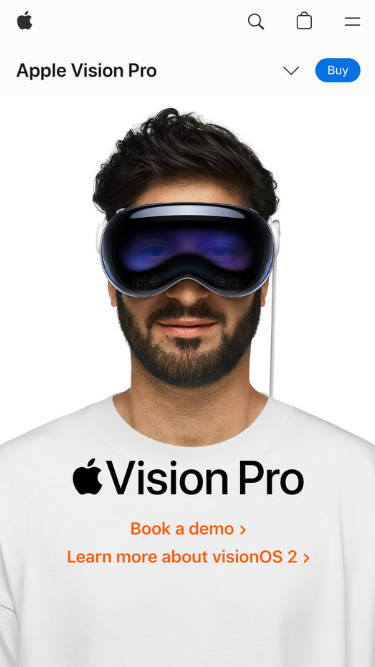
Big tech giants like Meta, Google, and Apple heavily invest in metaverse technologies, although they face hurdles in achieving mass adoption and profitability.
Beyond entertainment, practical applications are thriving. Imagine learning to repair your car in a risk-free virtual workshop, guided by augmented overlays highlighting each step.
Aspiring rock climbers could master complex techniques like rappelling through lifelike simulations, minimizing real-world danger. Retailers leverage augmented reality to let customers visualize décor or furniture in their homes before purchasing.
In science, the metaverse enhances collaboration by simulating experiments in realistic 3D environments, enabling global teams to work together seamlessly. In healthcare, augmented overlays assist surgeons with real-time data directly on patients, improving precision and outcomes.

For outdoor enthusiasts, augmented reality gamifies fitness by transforming hiking trails into quests filled with virtual treasures. The metaverse entertains and empowers, providing safe, innovative ways to learn, create, and explore—expanding possibilities for all.
Issues plaguing the Metaverse
- Cost vs. Return on Investment: The high cost of metaverse devices and experiences often deters users and businesses, with many casual users feeling that traditional screens offer a satisfactory alternative. Without clear returns, companies are hesitant to invest, keeping the technology a luxury rather than a necessity for most.
- Over-immersion concerns: Virtual reality offers immersive experiences but isolates users from the physical world. Despite advancements like Apple’s improved pass-through headsets, many feel uncomfortable being unaware of their surroundings. Some find it awkward to see videos of themselves in VR shared online, while others dislike the idea of disconnecting from their environment. These concerns contribute to hesitancy in adopting VR for daily use.
- The high cost of content: Content in the metaverse, like apps and games, is often locked to specific platforms and comes with high prices, limiting user flexibility. Many fitness or productivity apps require additional purchases, making the ecosystem feel financially restrictive. This exclusivity frustrates users accustomed to more affordable and accessible digital content, creating another barrier to adoption.
- Motion sickness: Many users experience motion sickness when using VR headsets, often within minutes, which limits their time in the metaverse and sometimes leads to complete avoidance of VR. Without significant improvements in hardware and software, this issue will persist, posing a major obstacle to mainstream adoption that developers must address.

- Decline in remote work demand: The end of the pandemic shifted priorities, leading companies to require employees to return to expensive office spaces. As a result, initiatives like virtual offices lost relevance, and the growth of metaverse applications for work has slowed. Diminished demand for hybrid solutions has caused a reduction in investment in VR for workplaces.
- Corporate hesitation and budget cuts: Corporate hesitation towards the metaverse stems from a lack of clear business applications. Many companies have reduced funding for related projects, focusing instead on initiatives with proven returns. Technologies like hybrid real-world and virtual offices have lost popularity due to unmet expectations, leading businesses to see the metaverse as experimental rather than essential. This cautious stance is hindering innovation and adoption across industries.
The current state of the Metaverse
The metaverse, once heralded as the future of technology, finds itself at a crossroads. Companies like Meta, which initially bet big on it, have shifted focus to artificial intelligence and other emerging technologies. However, the metaverse hasn’t disappeared—it continues to evolve, albeit in more focused niches.
- Gaming dominance: Platforms like Roblox and Fortnite remain pioneers, offering vibrant virtual worlds and in-game events that draw millions of users.
- Virtual real estate: While the frenzy around buying digital property has waned, the market still exists, albeit more subdued.
- Corporate applications: VR training and remote collaboration tools are being adopted, though on a smaller scale than initially envisioned.
Future trends in Metaverse cryptocurrencies
Several trends are shaping the metaverse’s future, and its exciting. Let’s explore some of our favorites:
- Virtual real estate: Virtual land markets will continue to flourish, with metaverse coins enabling transactions and development. This trend will create lucrative opportunities for investors and creators in digital spaces.Trends and developments
- Enhanced VR and AR integrations: As virtual and augmented reality advance, metaverse coins will drive transactions in immersive worlds. Players will seamlessly purchase virtual goods, land, and experiences, merging physical and digital interactions.
- Cross-Metaverse interoperability: More (in the future) metaverse platforms will enable metaverse coins to function as universal tokens. This interoperability will streamline asset transfers and value exchange across different virtual ecosystems.
- Play-to-Earn (P2E) expansion: In time, P2E models could gain momentum, allowing players to earn real-world value through gaming. Metaverse coins will empower users with income-generating opportunities and a stake in virtual economies.
- DeFi and Metaverse synergy: Okay this one is tricky but the integration of DeFi tools like staking and liquidity pools with metaverse coins will enable users to manage virtual wealth efficiently. This fusion will enhance the economic dynamics of virtual spaces.
Even though the metaverse has taken a different path, new developments are keeping it interesting and it could end up way more important than the initial buzz suggested.
Comparing our favorite Metaverse tokens
| Token name | Platform | Focus | Key Features | USP |
|---|---|---|---|---|
| MemeClip | Ethereum | Play-to-earn meme-themed platform | Various types of games, revenue generation via playing, and meme-themed design | Play-to-earn model, with staking capabilities and more |
| ApeCoin | Ethereum | Gaming, NFT ecosystem | Governance token for ApeCoin DAO, used for in-game purchases and NFTs | Backed by the popular Bored Ape Yacht Club NFT collection |
| Decentraland | Ethereum | Virtual real estate, gaming | Virtual land ownership, user-generated content, decentralized applications | One of the oldest and most established metaverse platforms |
| The Sandbox | Ethereum | Virtual real estate, gaming, NFT marketplace | Virtual land ownership, user-generated content, partnerships with major brands | Strong partnerships with major brands and celebrities |
| Virtuals Protocols | Ethereum | Virtual reality experiences | Immersive VR experiences, social interactions, digital assets | Focus on immersive VR experiences |
| My Neighbor Alice | Binance Smart Chain | Play-to-earn farming game | Farming, crafting, trading, and social interactions in a pixelated world | Play-to-earn model with a focus on community engagement |
| PEPENODE | Ethereum | Play-to-earn meme-themed mining simulator | Customizable virtual mining rooms, multiple node types with unique stats, leaderboard rewards, multi-token payouts (PEPE, Fartcoin), deflationary token burn on upgrades | Play-to-earn mining game with multi-coin rewards and built-in deflationary mechanics |
| Somnium Space | Ethereum | Virtual reality experiences, real estate | Virtual reality experiences, social interactions, digital assets, virtual real estate | Focus on high-quality VR experiences and social interactions |
Investing in Metaverse cryptocurrencies: An expert guide
Before we look into the actual buying process for Metaverse tokens (we recommend MEXC for its competitive trading fees, extensive cryptocurrency listings, and advanced trading tools), let’s first discuss the best strategies to mitigate risks and, ultimately, generate profits—after all, that’s the goal.
Branching out with your Metaverse portfolio
The Metaverse is a cutting-edge blend of VR, AR, and blockchain, driving innovation in virtual worlds and gaming ecosystems. Broadening your portfolio within this sector balances risk and boosts exposure to growth.
Understand the landscape: Popular tokens like Decentraland (MANA), The Sandbox (SAND), and Axie Infinity (AXS) span use cases such as virtual real estate, gaming, and DeFi.
Diversify across categories: Invest in virtual real estate with MANA or SAND, explore gaming tokens like AXS and ApeCoin (APE), and tap into the NFT economy with Virtuals Protocols or Somnium Space.
Infrastructure investments: Essential platforms like Ethereum (ETH) and Polkadot (DOT), and layer 2 solutions like Polygon (MATIC), power Metaverse apps and reduce costs.
In conclusion, branching out when it comes to Metaverse crypto coins allows you to benefit from the growth of this next-gen internet.
Verdict: What next for the Metaverse and Crypto?
The writer’s views are expressed through these opinions.
The metaverse represents a bold new frontier where gaming, blockchain, and virtual economies converge. While traditional games like Roblox and Fortnite already captivate millions, the addition of cryptocurrency has the potential to revolutionize these ecosystems by enabling true asset ownership and monetization.
However, this future hinges on creating experiences that are genuinely fun and engaging, not just economic experiments.
Moreover, consumer adoption will depend on breakthroughs in mixed reality, wearable tech, blockchain adoption, and regulatory trust in centralized currencies.
Projects like Decentraland (MANA) and Sandbox (SAND) have led the way, but emerging players like Virtuals Protocol (VIRTUAL), My Neighbor Alice (ALICE), and Somnium Space (CUBE) are pushing the envelope of innovation many of which are exploring integrations with popular PoS coins to enhance security and scalability.
While the metaverse isn’t quite ready for mainstream consumerization, its potential is undeniable. As technologies mature, the metaverse could integrate seamlessly into our daily lives, much like the internet, fundamentally transforming how we work, play, and interact, keeping it firmly among the top trending crypto.
FAQs
What is the metaverse?
What can you do on the Metaverse?
Are all Metaverse tokens legit?
Is the ‘Metaverse’ a good investment?
Which crypto will be used in the metaverse?
How are Metaverse coins improving the gaming industry?
What is the most promising crypto metaverse?
References
Meetings in the metaverse: new tech draws workers to virtual offices | Financial Times
Is The Metaverse Truly Dead? | HackerNoon
Market Insights – Metaverse – Asia | Statista
Mark Zuckerberg On AI And The Magic Of The Metaverse | Forbes
How virtual reality is changing the live music experience | CNN
Metaverse Market Size, Share, Trends | CAGR of 44.4% | Markets].us
Companies Finally Find a Use for Virtual Reality at Work | Wall Street Journal